Can Cats Eat Almonds?
By Pettings · Sources checked Nov 2, 2026
No. Keep almonds away from cats. The ASPCA names almonds in its warning about nuts. It says their high oil and fat content can cause vomiting and diarrhea and potentially pancreatitis in pets. A whole almond is also hard and the right size to choke on.
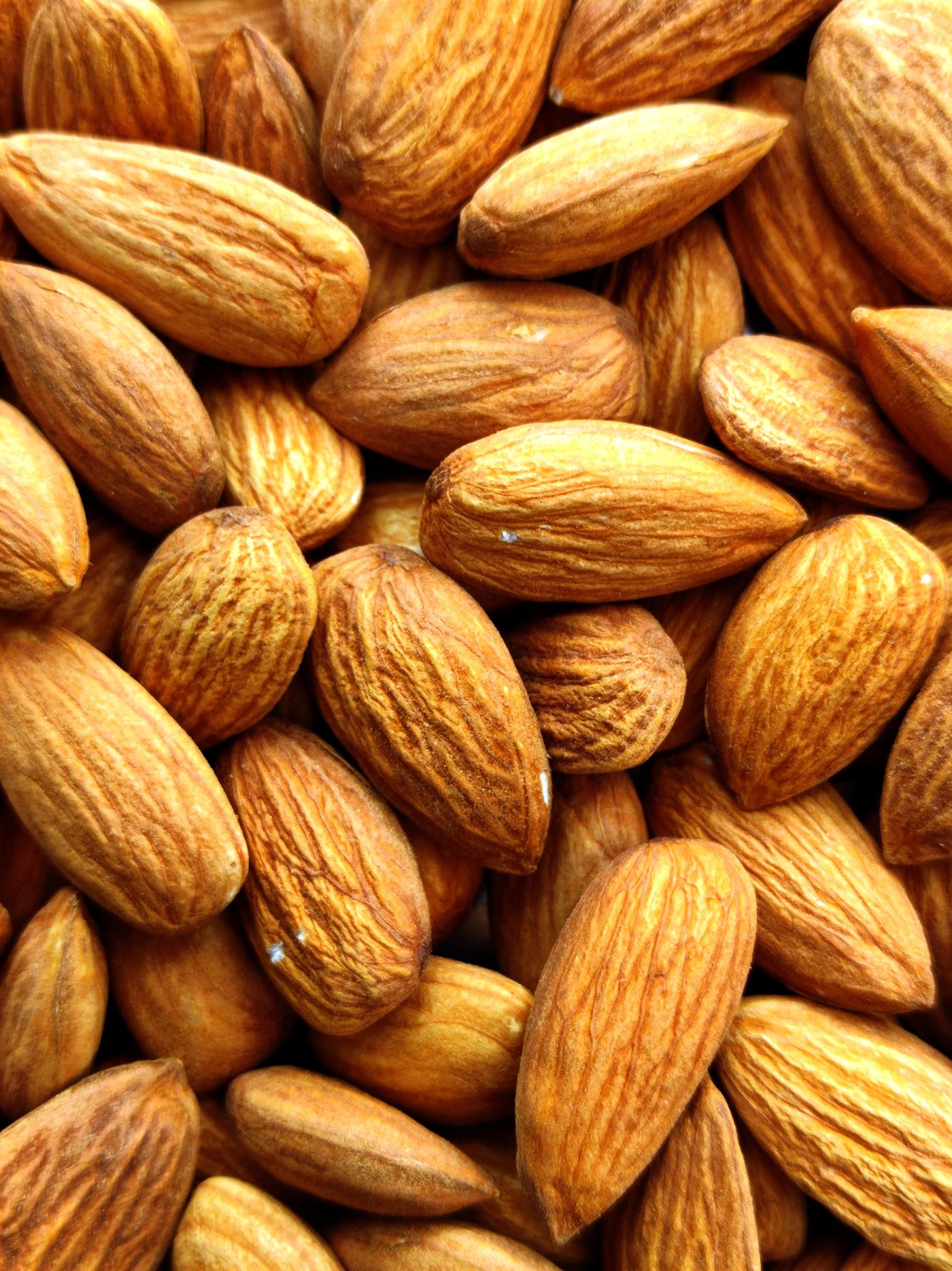
Why Almonds Are a Problem for Cats
Almonds are mostly fat. The Cornell Feline Health Center describes a cat's natural diet as high in protein, moderate in fat and very low in carbohydrates, built around animal tissue. A handful of almonds is a rich, unfamiliar load of plant fat for a 10-pound cat, and the ASPCA says nuts like these can upset the stomach and may lead to pancreatitis in some pets. Cornell notes that in most cats with pancreatitis no clear cause is found, but there is no reason to add the risk.
Size and texture matter too. WSAVA cautions against any treat with a size or shape that could cause choking, and a whole or half almond is hard, smooth and awkward for a cat to chew.
Most snack almonds are roasted and salted, smoked or coated in flavorings, and some are covered in chocolate or candy. The ASPCA warns that salty foods can cause excessive thirst and urination and, in larger amounts, vomiting and seizures, and it lists chocolate as toxic to pets. Trail mix often combines almonds with raisins and chocolate, both of which WSAVA lists as toxic to cats.
Bitter almonds are another matter. The FDA explains that bitter almonds contain amygdalin, which the body can turn into cyanide when large amounts are eaten. That information is about people, but it is one more reason to keep almonds and almond extracts out of a cat's reach.
Signs to Watch For
The ASPCA says the fats in nuts can cause vomiting and diarrhea. Cornell says cats with pancreatitis often show vague signs such as lethargy and a reduced appetite, and some vomit, lose weight or have diarrhea.
What to Do If Your Cat Ate Almonds
If your cat ate more than one almond, ate chocolate-covered or heavily salted almonds, or seems unwell, call your veterinarian or the ASPCA Animal Poison Control Center at (888) 426-4435 right away. Do not try to make your cat vomit unless a veterinarian tells you to. Bring the package and estimate how many are missing. If your cat is struggling to breathe, go straight to an emergency clinic.
If your cat has pancreatitis or another medical condition, or eats a special diet, call your veterinarian about any nuts it eats.
Common Questions
Can cats drink almond milk?
Almond milk is not a drink to give cats. It has none of the animal nutrients Cornell says cats rely on, and many cartons are sweetened or flavored with vanilla or chocolate. Chocolate almond milk adds an ingredient the ASPCA lists as toxic to pets. A lick of plain unsweetened almond milk is not an emergency, but fresh water is what a cat needs.
What happens if my cat eats an almond?
One plain almond is unlikely to cause more than a mild upset stomach, but watch your cat. The ASPCA says the high fat in almonds can cause vomiting, diarrhea and possibly pancreatitis in pets, and a whole nut can be a choking risk. If your cat ate several, ate salted or chocolate almonds, or starts vomiting, call your veterinarian.
Can cats eat almond butter?
Almond butter is not a good choice for cats. It is concentrated almond fat, and the ASPCA warns that the fat in almonds can cause vomiting and diarrhea and possibly pancreatitis. Some almond butters also add salt, sugar or chocolate. If you need to hide a pill, a tiny dab of plain peanut butter or a pill pocket treat is the more common choice.
Can cats eat almond flour?
Almond flour is ground almonds, so it carries the same fat concern the ASPCA describes for whole almonds. A crumb of an almond flour baked good is not an emergency, but these products are often sweetened and may contain chocolate. Cats are obligate carnivores, according to Cornell, so baked goods of any kind offer them nothing. Keep them out of reach.
Are almonds toxic to cats?
The ASPCA lists almonds among nuts to keep from pets because their high fat and oil can cause vomiting, diarrhea and possibly pancreatitis. The FDA notes that bitter almonds contain amygdalin, which can release cyanide in large amounts, though that information comes from people. Whole almonds are also a choking risk. Call your vet if your cat ate more than one.