Cat Breeds: Size, Personality and Health of 20 Popular Breeds
These are the 20 cat breeds Pettings profiles in detail. Each breed page covers typical size and weight, personality and energy level, the inherited conditions breeders test for, life expectancy where a study exists, grooming and how many calories an adult needs. Every figure on those pages links to its source, mainly the two big US registries (CFA and TICA), the UC Davis Veterinary Genetics Laboratory, International Cat Care and peer reviewed studies.
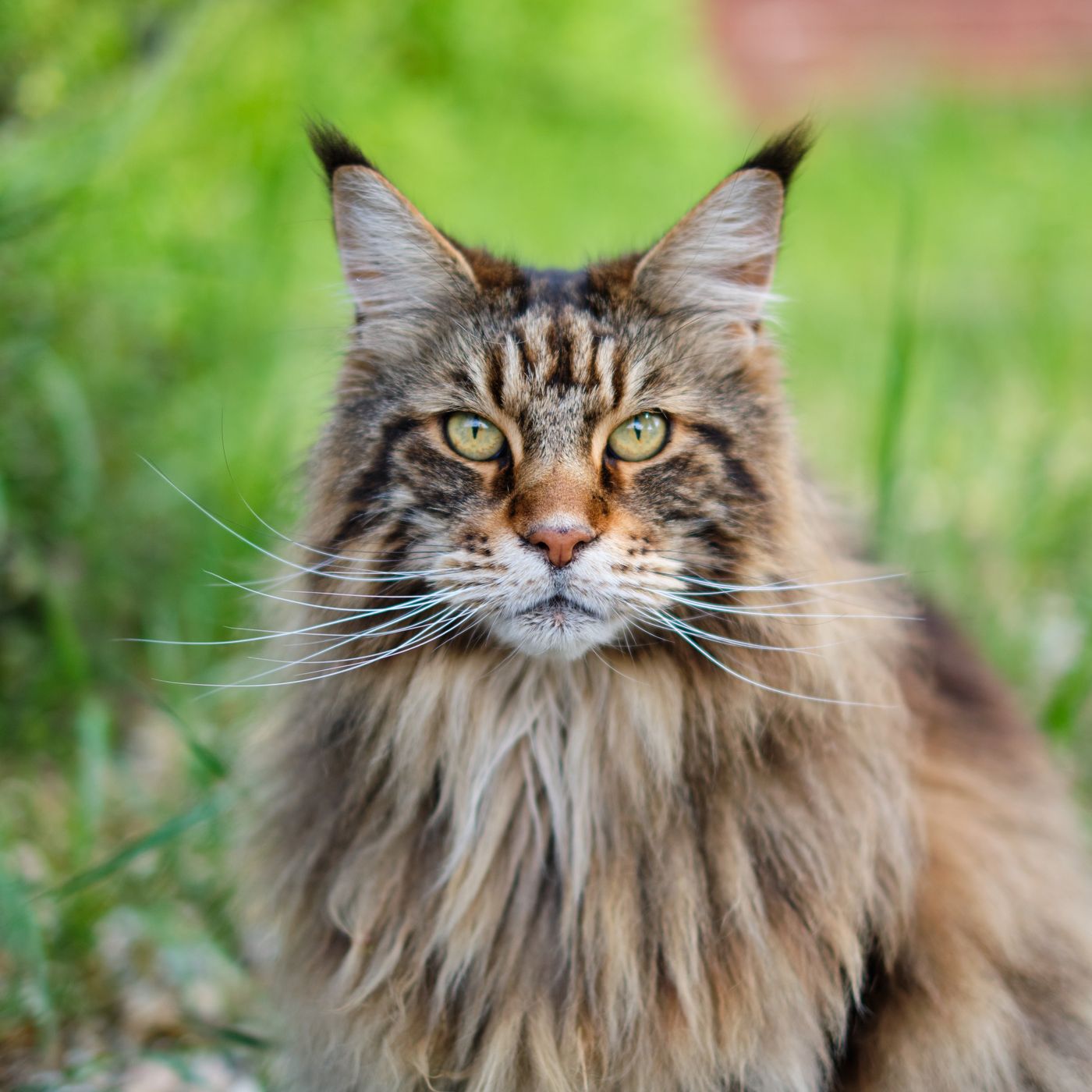 Maine Coon
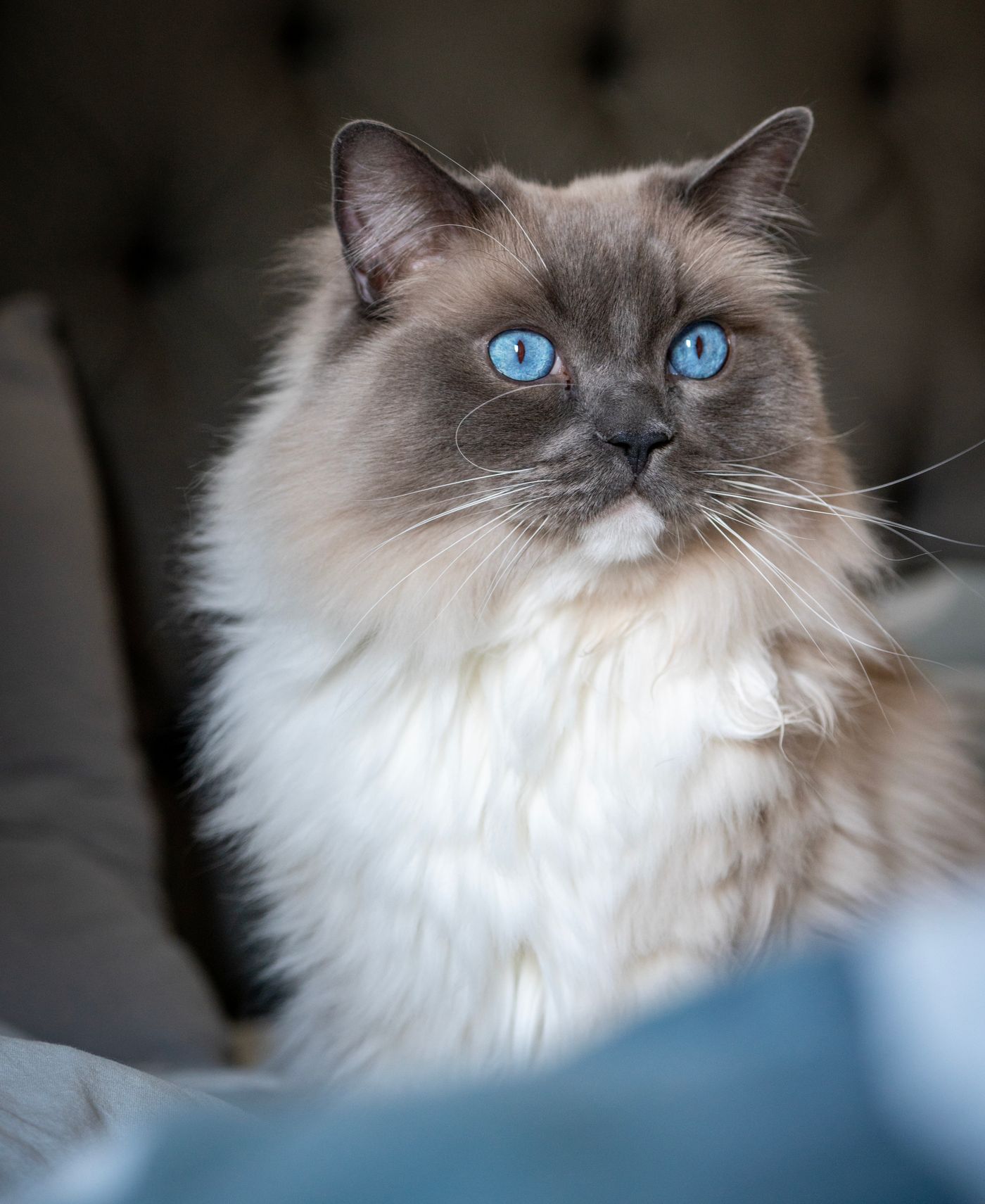 Ragdoll
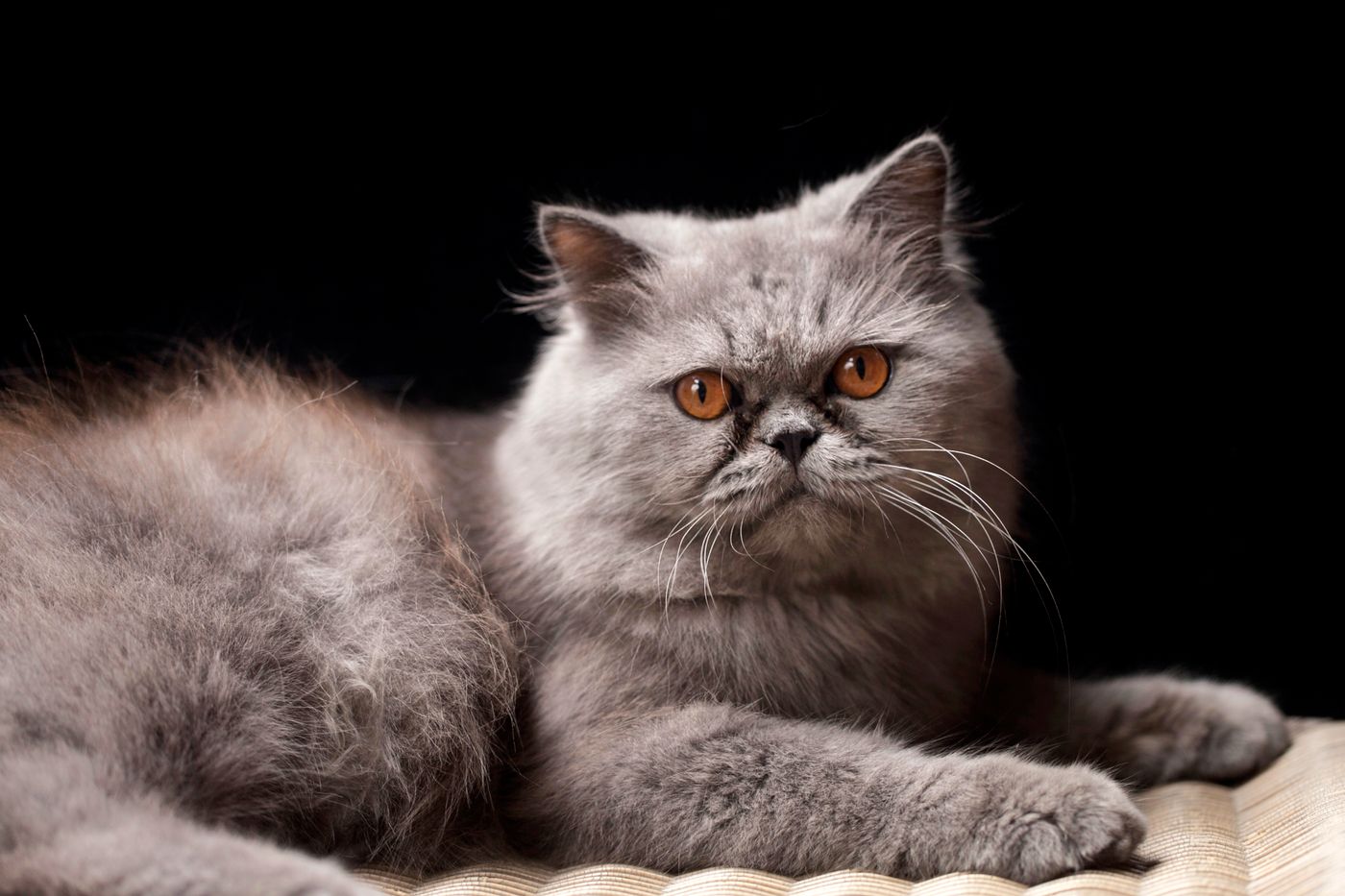 Persian
How We Chose These 20 Breeds
Fifteen breeds come from registration rankings published by the Cat Fanciers' Association (CFA). Its 2026 list, based on the previous year's registrations, puts the Maine Coon first, followed by the Ragdoll, Persian, Exotic, Devon Rex, Abyssinian, British Shorthair, Siberian, American Shorthair and Russian Blue (CFA). CFA's longer ranking of 2023 registrations adds the Scottish Fold, Sphynx, Norwegian Forest Cat, Oriental and Bengal (CFA press release, 2024).
We added the Siamese, Birman, Burmese, Himalayan and Savannah because US cat owners ask about them often. They are not in CFA's published top lists. The Himalayan is shown by CFA as a color division of the Persian, and the Savannah is recognized by TICA but not by CFA.
Keep in mind that these rankings count registered pedigreed cats only. Most pet cats in the US are not pedigreed, and our feeding guides apply to them just as well.
Compare the 20 Breeds at a Glance
| Breed | Size | Typical adult weight | Activity level | Inherited conditions covered |
|---|---|---|---|---|
| Abyssinian | Medium | 6 to 12 lb | High | PK deficiency, two forms of PRA, renal amyloidosis |
| American Shorthair | Medium to large | 8 to 15 lb | Moderate | HCM |
| Bengal | Medium to large | Not published by CFA or TICA | High | HCM, PRA-b, PK deficiency, polyneuropathy |
| Birman | Medium to large | About 12 lb (TICA) | Moderate | HCM, hypotrichosis, MPS VI, FIP susceptibility |
| British Shorthair | Medium to large | 7 to 17 lb | Low to moderate | HCM, PKD, blood type B |
| Burmese | Medium | Males 12 lb or more | Moderate to high | Head defect, hypokalemia, GM2, orofacial pain, diabetes |
| Devon Rex | Small to medium | 5 to 9 lb | Moderate to high | CMS, blood type B, HCM |
| Exotic Shorthair | Medium | About 6.5 to 9 lb on average | Low to moderate | PKD, flat face, PRA-pd |
| Himalayan | Medium | Similar to the Persian | Low to moderate | PKD, flat face, PRA-pd |
| Maine Coon | Large | 9 to 22 lb | Moderate to high | HCM, SMA, hip dysplasia |
| Norwegian Forest Cat | Large | 9 to 16 lb | Moderate | GSD IV, HCM, PK deficiency |
| Oriental Shorthair | Medium | 5 to 12 lb | High | PRA rdAc, familial amyloidosis |
| Persian | Medium | About 7.5 to 9.5 lb on average | Low to moderate | PKD, flat face, PRA-pd |
| Ragdoll | Large | 10 to 20 lb | Moderate | HCM, PKD |
| Russian Blue | Medium | 5 to 10 lb | Moderate | Diabetes risk, weight gain |
| Savannah | Large and tall | Males 14 to 24 lb depending on generation | Very high | PK deficiency, effects of hybrid breeding |
| Scottish Fold | Medium | 7 to 10 lb | Low to moderate | Osteochondrodysplasia, PKD |
| Siamese | Medium | 5 to 12 lb | High | PRA rdAc, familial amyloidosis, mammary tumors |
| Siberian | Medium to large | 8 to 18 lb | Moderate | HCM, PKD, PK deficiency |
| Sphynx | Medium | 7 to 12 lb | High | HCM, CMS, skin and ear conditions |
Weight ranges combine females and males and come from the sources on each breed page. Where the registries publish no range, the table says so instead of guessing.
Large Breeds
The Maine Coon, Ragdoll and Norwegian Forest Cat are the largest breeds on this list, and the Savannah is the tallest. Large breeds tend to mature slowly; CFA says a Maine Coon can take up to three years to reach full size. They also eat more, but not by as much as their size suggests, because calorie needs do not rise in step with body weight (Merck Veterinary Manual).
High Energy Breeds
The Abyssinian, Bengal, Oriental, Siamese, Sphynx and Savannah are described by the registries as very active cats that need daily play, climbing space and puzzle toys. If you are away from home most of the day, read the personality section of each page before choosing one of these breeds.
Calm Breeds
The Persian, Exotic Shorthair, Himalayan, British Shorthair and Scottish Fold are described as quieter and less demanding. Calm cats burn fewer calories, so measured portions matter more for them.
What "Inherited Conditions" Means on Our Breed Pages
Each breed page lists the conditions that have a known genetic basis in that breed or that breeders routinely screen for, with the test available and the study behind any number. International Cat Care points out that breeds with long lists of known conditions are often the ones that have been monitored and tested most, and that no breed can simply be ranked as genetically better than another, with the exception of breeds whose defining feature itself causes problems (International Cat Care).
A list of conditions is not a prediction for one cat. If you are buying a pedigreed kitten, ask the breeder which DNA tests and heart scans the parents have had, and ask to see the results. Your veterinarian can tell you what to watch for as the cat grows.
How Long Do These Breeds Live?
A 2024 study of cats under veterinary care in the UK estimated life expectancy at birth for 11 breed groups and for crossbred cats (Teng et al., 2024):
| Breed | Life expectancy at birth |
|---|---|
| Burmese | 14.42 years |
| Birman | 14.39 years |
| Crossbred cats | 11.89 years |
| Siamese | 11.69 years |
| Persian | 10.93 years |
| Ragdoll | 10.31 years |
| Norwegian Forest Cat | 9.95 years |
| Maine Coon | 9.71 years |
| Russian cats (incl. Russian Blue) | 9.65 years |
| British cats (British Blue and British Longhair) | 9.58 years |
| Bengal | 8.51 years |
| Sphynx | 6.68 years |
These figures come from UK veterinary records and may not match cats in the US. The other breeds on our list were not in the study; their pages explain what other data exists.
Feeding by Breed
A breed sets a cat's likely size, but the calorie math is the same for every cat. Each breed page shows daily calories for two typical adult weights, using the formula from our daily feeding guide. For ingredients, see which ones score 5 out of 5 in our ingredient dictionary.
Sources
- CFA, Most Popular Breeds for 2026
- CFA, Top 15 Pedigreed Cat Breeds of 2023 (press release, February 2024)
- International Cat Care, Inherited Disorders in Cats
- Teng KT, Brodbelt DC, Church DB, O'Neill DG. Life tables of annual life expectancy and risk factors for mortality in cats in the UK. Journal of Feline Medicine and Surgery, 2024;26(5)
- Merck Veterinary Manual, Nutritional Requirements of Small Animals
- Individual breed pages list the CFA, TICA, UC Davis and study sources for every figure in the comparison table.