Can Cats Eat Baby Food?
By Pettings · Sources checked Nov 2, 2026
Baby food is an occasional treat at most, and only the plain meat kind made from meat and water with no onion or garlic. Many jarred baby foods, including some meat and dinner blends, contain onion powder or garlic. The Merck Veterinary Manual says cats are the species most susceptible to onion and garlic, so the label decides whether a jar is even an option.
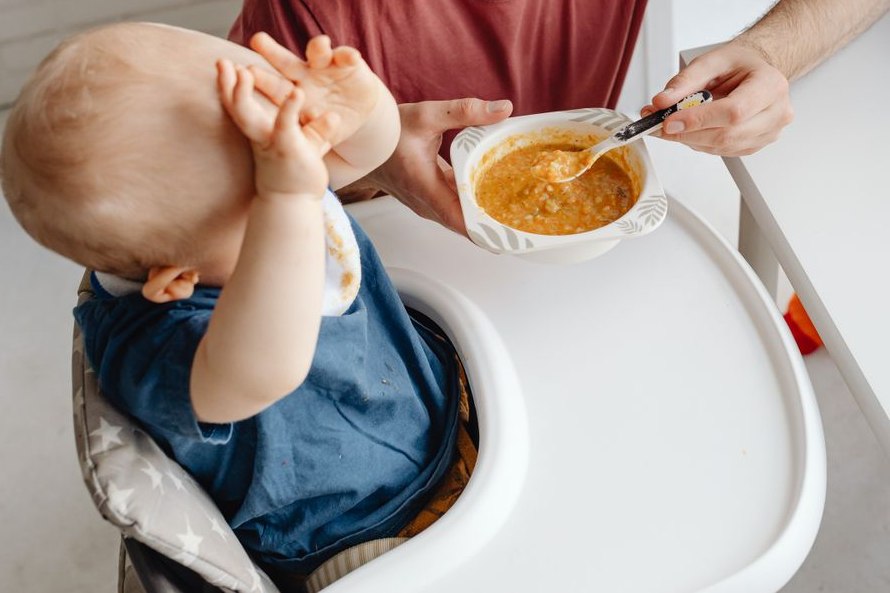
What Baby Food Offers a Cat
A plain meat baby food such as chicken, turkey or beef puree is cooked meat blended smooth with water or broth. That makes it soft and strongly scented, which is why some people use it to coax a cat to eat. It is still a people food. It is not complete cat nutrition, and the Cornell Feline Health Center says treats are usually not a complete and balanced source of nutrition and should be fed only occasionally.
Vegetable, fruit, grain and mixed dinner purees add nothing a cat needs. Cornell describes cats as obligate carnivores that rely on nutrients found only in animal products.
How Much Baby Food Can a Cat Have?
For a 10-pound adult cat with no food allergy or medical condition, 1 to 2 teaspoons of plain meat baby food is enough. That is a few calories, and it should replace part of that day's food, not be added on top. WSAVA advises keeping treats under 10 percent of a cat's daily calories, which is about 22 to 25 calories a day for a cat of 9 to 11 pounds. With that small portion, a few times a week at most fits the allowance.
Kittens, seniors and cats with kidney disease, diabetes, pancreatitis or a food allergy are different cases. Ask your veterinarian first.
How to Serve It
Read the ingredient list every time, since recipes change. Pick a jar that lists only meat and water or meat broth. Put it back if it shows onion, onion powder, garlic, garlic powder, "spices" without detail, or vegetables mixed in. The Merck Veterinary Manual says dried powders are among the concentrated forms of onion most often linked to poisoning in cats, and the ASPCA says onion and garlic can damage red blood cells and lead to anemia. Skip toddler meals, pouches with dairy and anything with added salt.
Serve it at room temperature on a clean saucer. Refrigerate an opened jar and use it within the time printed on the label. A cat that has stopped eating needs a vet, not baby food.
If your cat is a kitten or has any medical condition or special diet, ask your veterinarian before offering baby food.
Common Questions
Can cats eat baby food with onion powder?
No. The Merck Veterinary Manual says cats are the species most susceptible to onion and garlic, and that powders are among the concentrated forms most often linked to poisoning. If your cat ate baby food that lists onion or garlic, call your veterinarian or the ASPCA Animal Poison Control Center at (888) 426-4435, even if your cat looks fine.
Can kittens eat baby food?
Not without your vet's advice. Kittens need a food labeled complete for growth, and the Cornell Feline Health Center says a cat's nutritional needs change through life stages. A kitten that will not eat needs a checkup quickly. If your vet suggests a meat baby food for a short time, choose one made from meat and water with no onion or garlic.
Is baby food good for sick cats?
Only if your veterinarian says so. Plain meat baby food has a strong smell that may tempt a cat with a poor appetite, but it is not complete cat nutrition and may hide onion or garlic. A cat that stops eating can become seriously ill, so call your vet first. They can suggest a recovery food made for cats.
Can cats eat chicken baby food every day?
No. Plain chicken baby food is a treat, not a meal, and it is not balanced for a cat. WSAVA advises keeping treats below 10 percent of daily calories, about 22 to 25 calories for a 9 to 11 pound cat, so 1 to 2 teaspoons a few times a week at most fits that allowance without crowding out complete cat food.
Can cats eat fruit or vegetable baby food?
There is no reason to offer it. Fruit and vegetable purees are mostly water, sugar and starch, and some blends include onion or garlic. A cat is an obligate carnivore, and the Cornell Feline Health Center says it relies on nutrients found only in animal products. If your cat licked a spoon of plain fruit puree, it is unlikely to need more than watching.