Can Cats Eat Bacon?
By Pettings · Sources checked Nov 2, 2026
No. Keep bacon away from cats. Bacon is cured pork belly, which makes it one of the fattiest and saltiest meats in the kitchen. The ASPCA warns that salty foods can cause vomiting, diarrhea, tremors and seizures in pets, and Tufts Petfoodology lists high fat foods among those that can upset a pet's stomach.
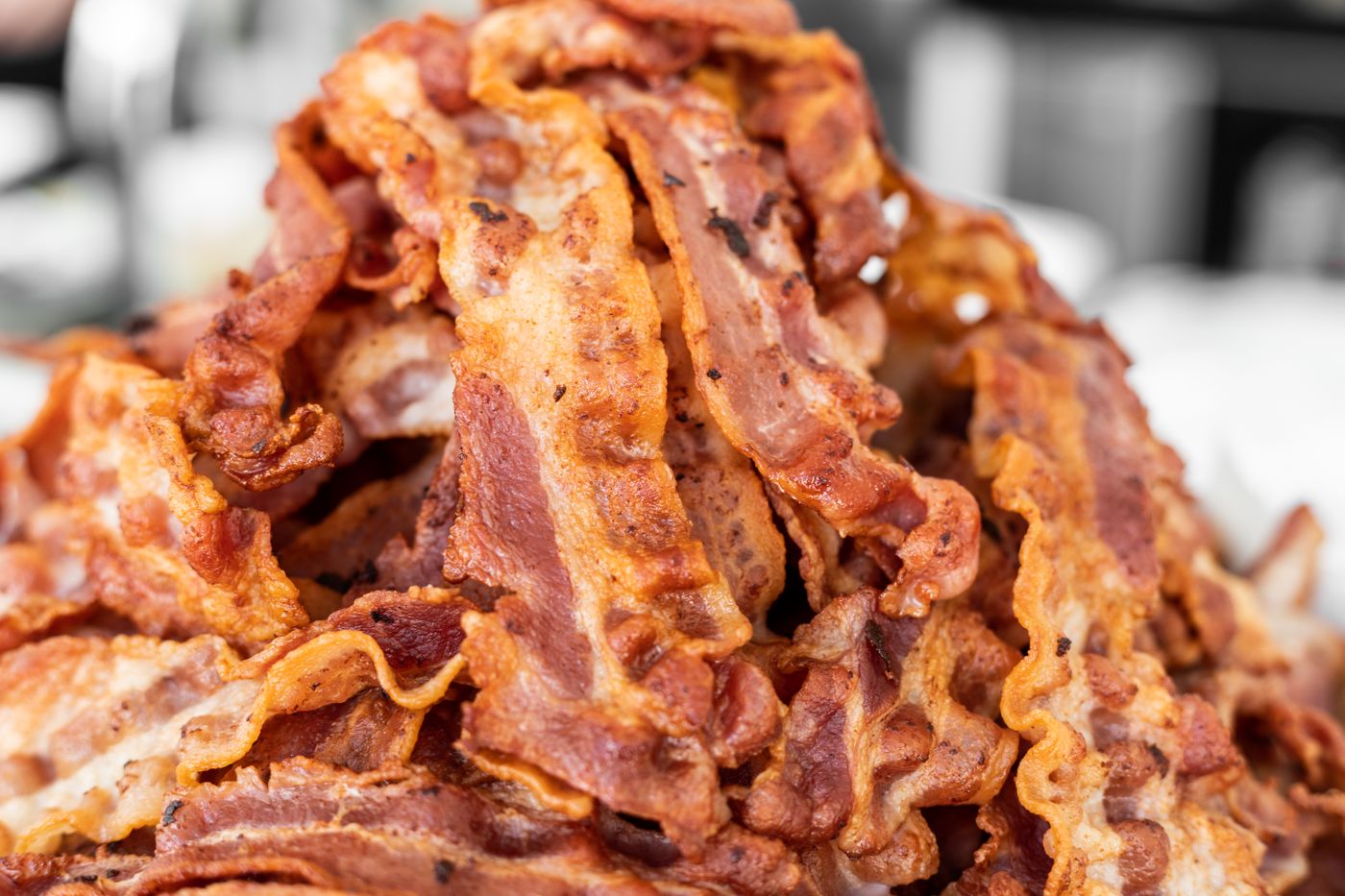
Why Bacon Is a Problem for Cats
Bacon is mostly fat, and the meat portion is cured with salt. For a cat, that combination works against everything a treat should be. WSAVA sets the daily treat allowance for a 9 to 11 pound adult cat at about 22 to 25 calories, and bacon packs a lot of fat and calories into a small piece. Rich, greasy food can cause vomiting or diarrhea, according to Tufts. The Merck Veterinary Manual notes that cats with mild pancreatitis may be switched to a lower fat diet and low fat treats, so a cat with that history should never get bacon. Salt adds a second problem. The ASPCA says excess salt can cause extreme thirst and urination and, in larger amounts, vomiting, diarrhea, depression, tremors and seizures. Bacon grease poured over food carries the fat without any of the meat, and bacon bits, flavored bacon and turkey bacon are cured and salted in much the same way. Pork has better options for a cat: a small cube of plain, lean cooked loin.
Signs to Watch For
After eating bacon, a cat may vomit or develop diarrhea, Tufts notes. The ASPCA lists heavy thirst and frequent urination as early signs that a pet has had too much salt, with tremors and seizures in more serious cases. Merck lists lethargy, poor appetite, vomiting, dehydration and abdominal pain among signs of severe pancreatitis in cats, though some cats show no signs.
What to Do If Your Cat Ate Bacon
A small nibble of cooked bacon is unlikely to cause lasting harm in an adult cat, but make sure fresh water is available and watch for stomach upset. If your cat ate several strips, licked up grease, or has a history of pancreatitis, call your veterinarian or the ASPCA Animal Poison Control Center at (888) 426-4435 right away. Do not try to make your cat vomit unless a veterinarian tells you to. Bring the package so the vet can see the salt and fat content.
If your cat has a medical condition or eats a special diet, ask your veterinarian before offering any meat treat.
Common Questions
Can cats eat bacon grease?
Cats should not eat bacon grease. It is nearly pure fat with salt from the cured meat, and Tufts Petfoodology notes that high fat foods can cause vomiting or diarrhea in pets. The Merck Veterinary Manual recommends low fat treats for cats with pancreatitis. Do not pour grease over your cat's food, and wipe up spills and pans before your cat can lick them.
Can cats eat turkey bacon?
Turkey bacon is not a good alternative for cats. It is still a cured, salted product, often with smoke flavor and seasonings added. The ASPCA warns that salty foods can cause extra thirst and urination and, in larger amounts, vomiting, diarrhea, tremors and seizures. Plain cooked turkey breast with no seasoning gives a cat the same flavor without the salt.
What happens if my cat eats bacon?
Most cats that eat a small bite of bacon have no lasting problem, but some vomit or get diarrhea from the fat and salt. Make sure your cat has fresh water and watch it for a day or two. Call your veterinarian if vomiting continues, if your cat stops eating, seems painful or lethargic, or has had pancreatitis before.
Can cats eat bacon bits?
Cats should not eat bacon bits. Real bacon bits are cured, salted pork, and imitation versions are flavored soy pieces with added salt and seasonings. Neither offers anything a cat needs. The ASPCA warns that salty foods can lead to vomiting, diarrhea and tremors in pets. If a few bits fell on the floor and your cat ate them, simply watch for stomach upset.
Why does my cat love bacon?
Cats are attracted to the strong smell of fat and cooked meat, and bacon has plenty of both. The Cornell Feline Health Center notes that cats evolved eating prey high in protein with a moderate amount of fat, which helps explain the interest. Liking a food does not make it a fit treat, though. A small piece of plain cooked chicken or lean pork satisfies the craving without the salt.