Can Cats Eat Baked Beans?
By Pettings · Sources checked Nov 2, 2026
No. Keep baked beans away from cats. Canned and homemade baked beans are cooked in a sweet, salty sauce that usually contains onion, and the Merck Veterinary Manual names cats as the species most susceptible to onion and garlic poisoning. The ASPCA lists onions and garlic among the people foods to avoid feeding pets.
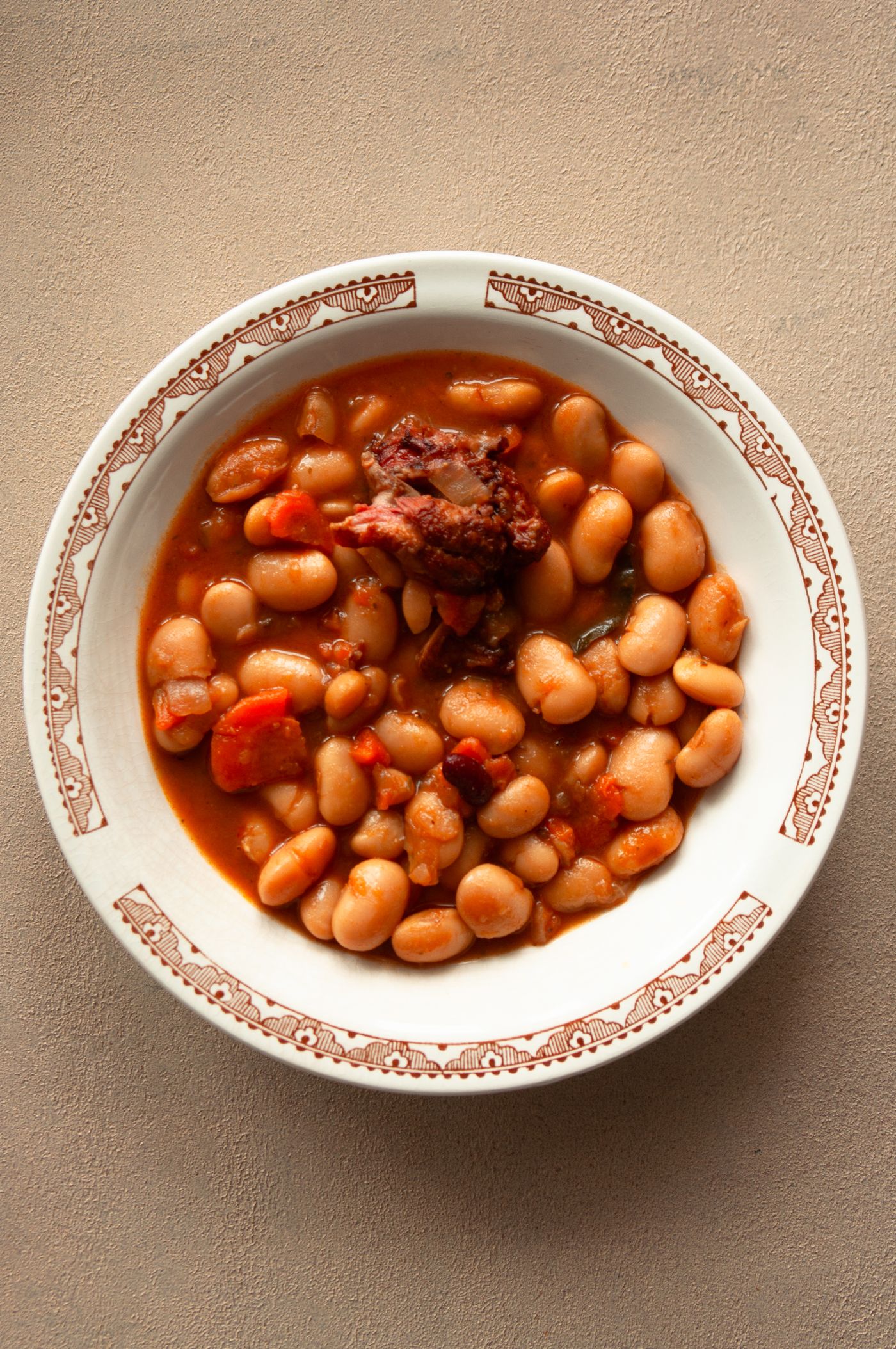
Why Baked Beans Are a Problem for Cats
The sauce is the issue. Recipes for baked beans commonly use chopped onion, onion powder or garlic, along with brown sugar or molasses, ketchup, mustard and salt pork or bacon. Merck explains that onion and garlic damage red blood cells and can lead to anemia, and that dried and powdered forms are linked to many cases. Merck also reports that problems have been tied to less than a teaspoon of cooked onion in cats. Not every can lists onion, but many do, and homemade and barbecue versions almost always include it.
Salt is the next concern. The ASPCA warns that salty foods can cause excessive thirst and urination and, in larger amounts, vomiting, diarrhea, tremors and seizures. Bacon and salt pork add fat and more salt. The Cornell Feline Health Center describes cats as obligate carnivores with a natural diet very low in carbohydrates, and a bowl of sweet beans is close to the opposite.
Pork and beans and barbecue beans fall into the same group. If plain beans are what you want to share, rinse a teaspoon of no-salt-added canned beans and mash them.
Signs to Watch For
Merck notes that signs of onion poisoning usually show up a few days after eating, once red blood cells have broken down. Watch for weakness, lethargy, poor appetite, fast breathing, pale or yellowish gums and reddish brown urine. Salt and fat are more likely to cause vomiting or diarrhea within hours, and the ASPCA lists increased thirst among the effects of eating too much salt.
What to Do If Your Cat Ate Baked Beans
Call your veterinarian or the ASPCA Animal Poison Control Center at (888) 426-4435 right away if your cat ate more than a lick, or if the beans were homemade or contained onion. Do not try to make your cat vomit unless a veterinarian tells you to. Bring the can or recipe so the vet can read the ingredients, and estimate how much your cat ate. Keep fresh water available, and do not wait for signs to appear, since the effects on red blood cells are delayed.
If your cat has kidney disease, diabetes or another medical condition, or eats a special diet, tell your veterinarian when you call.
Common Questions
Can cats eat pork and beans?
Cats should not eat pork and beans. The sauce is salty and sweet and often contains onion, and the bits of pork are fatty. The Merck Veterinary Manual says cats are the most susceptible species to onion poisoning. If your cat licked the bowl, check the can's ingredient list, and call your veterinarian if onion or garlic is listed or your cat ate a fair amount.
What happens if my cat eats baked beans?
A lick of baked beans may cause nothing more than a mild upset stomach, but a larger amount can be a problem. The onion in many recipes can damage red blood cells, and the Merck Veterinary Manual says signs such as weakness, pale gums and dark urine usually appear a few days later. Salt can cause thirst and vomiting. Call your veterinarian for advice.
Can cats eat beans in tomato sauce?
Beans in tomato sauce are not a good choice for cats. The sauce is usually salted and sweetened, and many recipes add onion or garlic powder. The ASPCA warns that salty foods can cause thirst and vomiting in pets. If you want to give your cat beans, use a teaspoon of plain cooked or no-salt-added canned beans, rinsed and mashed, instead.
Can kittens eat baked beans?
No. Kittens should not eat baked beans. Their small size means a little salt and onion goes further, and the Merck Veterinary Manual names cats as the species most susceptible to onion. If a kitten ate baked beans, call your veterinarian or the ASPCA Animal Poison Control Center at (888) 426-4435 and have the can with you so you can read out the ingredients.
Why does my cat like baked beans?
Cats that go for baked beans are usually after the bacon, pork fat or salty sauce, or they simply want what you are eating. The interest does not mean the food suits them. The Cornell Feline Health Center describes cats as obligate carnivores, and the onion in many baked bean recipes is a problem for cats. Offer a bite of plain cooked chicken instead.