Can Cats Eat BBQ Sauce?
By Pettings · Sources checked Nov 2, 2026
No. Keep barbecue sauce away from cats. Most bottled and homemade barbecue sauces are built from tomato, sugar or molasses, vinegar, salt, and onion and garlic powder. A cat licking a rib takes in all of that.
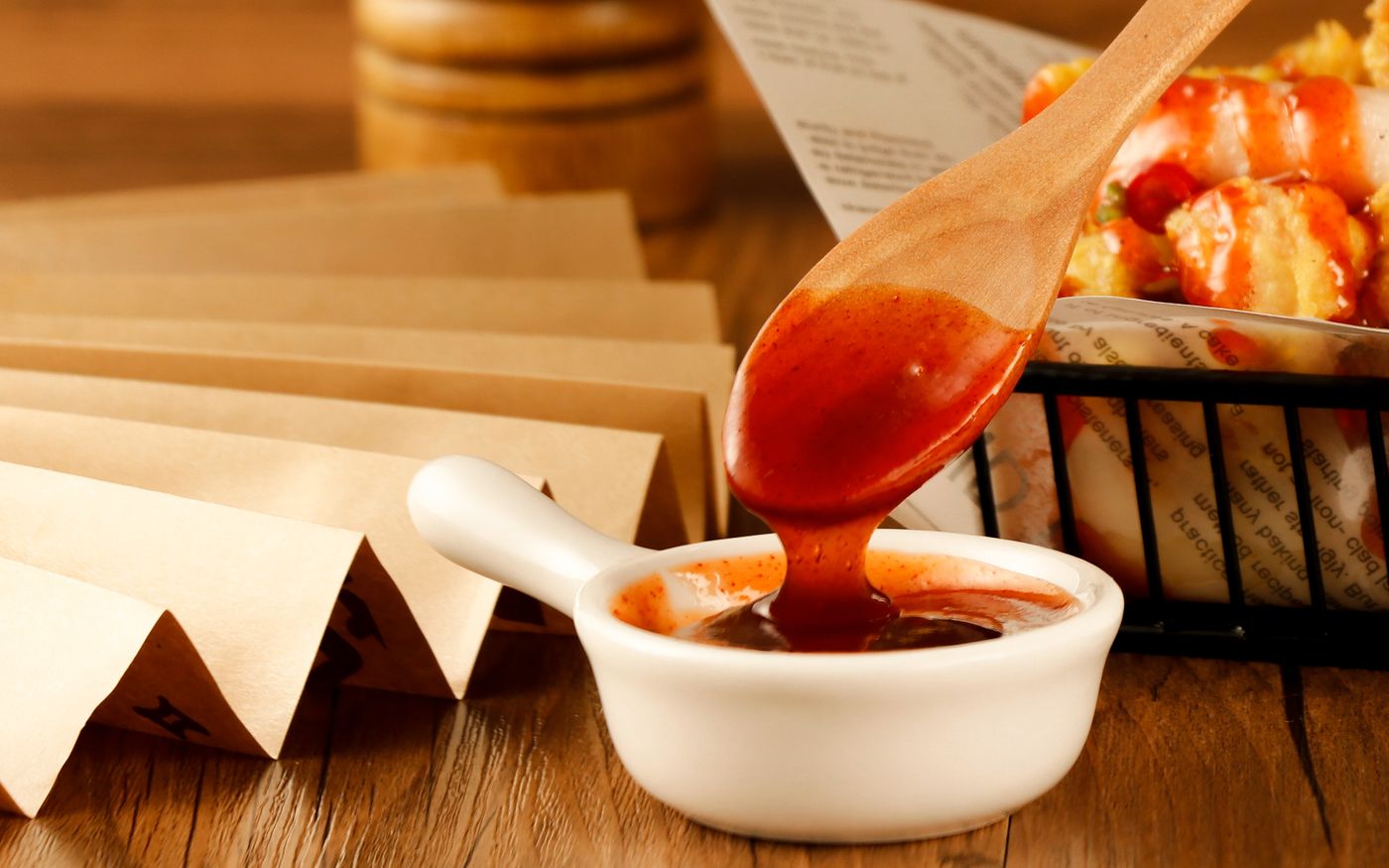
Why BBQ Sauce Is a Problem for Cats
Onion and garlic are the main concern. Barbecue sauce recipes almost always use onion powder, garlic powder, or both, and many add minced onion. Dry rubs are mostly salt, sugar, paprika, and onion and garlic powder. The Merck Veterinary Manual says cats are the most susceptible species to onion and garlic poisoning, and that concentrated forms such as powders are the most common cause. WSAVA lists onions and garlic among foods toxic to cats.
Salt comes next. Barbecue sauce is salty, and the meat under it has usually been rubbed or brined with more salt. The ASPCA warns that too much salt can bring thirst, extra urination, vomiting, diarrhea, tremors and seizures.
Sugar is a large part of most sauces, from brown sugar, molasses, honey or corn syrup. A 2005 study in PLOS Genetics found that cats lack a working sweet taste receptor, so the sugar only adds calories. It usually coats fatty meat such as ribs or pork shoulder, and the ASPCA notes that the oils and fats in nuts can cause vomiting, diarrhea and potentially pancreatitis in some pets.
Some sauces add alcohol. Bourbon and whiskey barbecue sauces are common, and beer is often used in marinades. WSAVA lists alcohol among foods toxic to cats, and the ASPCA's game day guidance calls alcohol a "no-no" for pets.
Barbecue also comes with bones. Rib bones and chicken bones can splinter, and the ASPCA says bones can injure or block a pet's intestines.
Signs to Watch For
According to the Merck Veterinary Manual, signs of onion and garlic damage usually appear several days after a cat eats them. Watch for weakness, a poor appetite, fast breathing, pale or yellow gums and reddish urine. The salt and fat can cause vomiting, diarrhea or heavy drinking within hours. If a bone is involved, watch for gagging, vomiting or a cat that stops eating.
What to Do If Your Cat Ate BBQ Sauce
If your cat licked more than a little sauce, ate sauced meat, or chewed a bone, call your veterinarian or the ASPCA Animal Poison Control Center at (888) 426-4435 right away. Do not try to make your cat vomit unless a vet tells you to. Bring the sauce bottle so the vet can read the ingredients.
If your cat has a medical condition or eats a special diet, ask your veterinarian before offering anything from the grill.
Common Questions
Can cats eat ribs?
No. Ribs are coated in barbecue sauce or a dry rub, both of which usually contain onion and garlic powder, salt and sugar. The bones can splinter, and the ASPCA says bones can injure or block a pet's intestines. If you want to share from the grill, set aside a small piece of plain meat cooked without rub or sauce and with no bone.
Can cats eat pulled pork?
Not with sauce or rub on it. Pulled pork is usually rubbed with salt, sugar, onion powder and garlic powder, then mixed with barbecue sauce. The Merck Veterinary Manual says cats are the species most sensitive to onion and garlic. Pork shoulder is also fatty, and the ASPCA lists foods with high fat amounts among the game day foods that are dangerous for pets.
What happens if my cat licks BBQ sauce?
A small lick may cause nothing, or some thirst from the salt. The bigger concern is the onion and garlic powder in most sauces. The Merck Veterinary Manual says signs of red blood cell damage, such as weakness, pale gums and reddish urine, usually appear several days later. Call your veterinarian if your cat ate more than a lick.
Can cats eat barbecue chicken?
Not with the sauce. Barbecue chicken is coated in sauce that usually contains onion and garlic powder, and the skin is fatty. Chicken bones can splinter, and the ASPCA says bones can injure or block a pet's intestines. If you want to share, set aside a piece of plain grilled breast meat with no skin, bone, rub or sauce.
Is BBQ sauce with bourbon worse for cats?
It adds one more ingredient to worry about. WSAVA lists alcohol among foods toxic to cats, and the ASPCA's game day guidance says alcohol is a no-no for pets. The sauce also has onion, garlic and salt. If your cat got into a bourbon sauce or a beer marinade, call your veterinarian.