Can Cats Eat Beans?
By Pettings · Sources checked Nov 2, 2026
Beans are an occasional treat at most, and only when they are plain, fully cooked and soft, with no seasoning. Black, pinto and kidney beans are not on the ASPCA list of people foods to avoid, but raw or undercooked kidney beans carry a natural toxin, and most bean dishes are cooked with onion and garlic. The Cornell Feline Health Center describes cats as obligate carnivores that rely on nutrients found only in animal products.
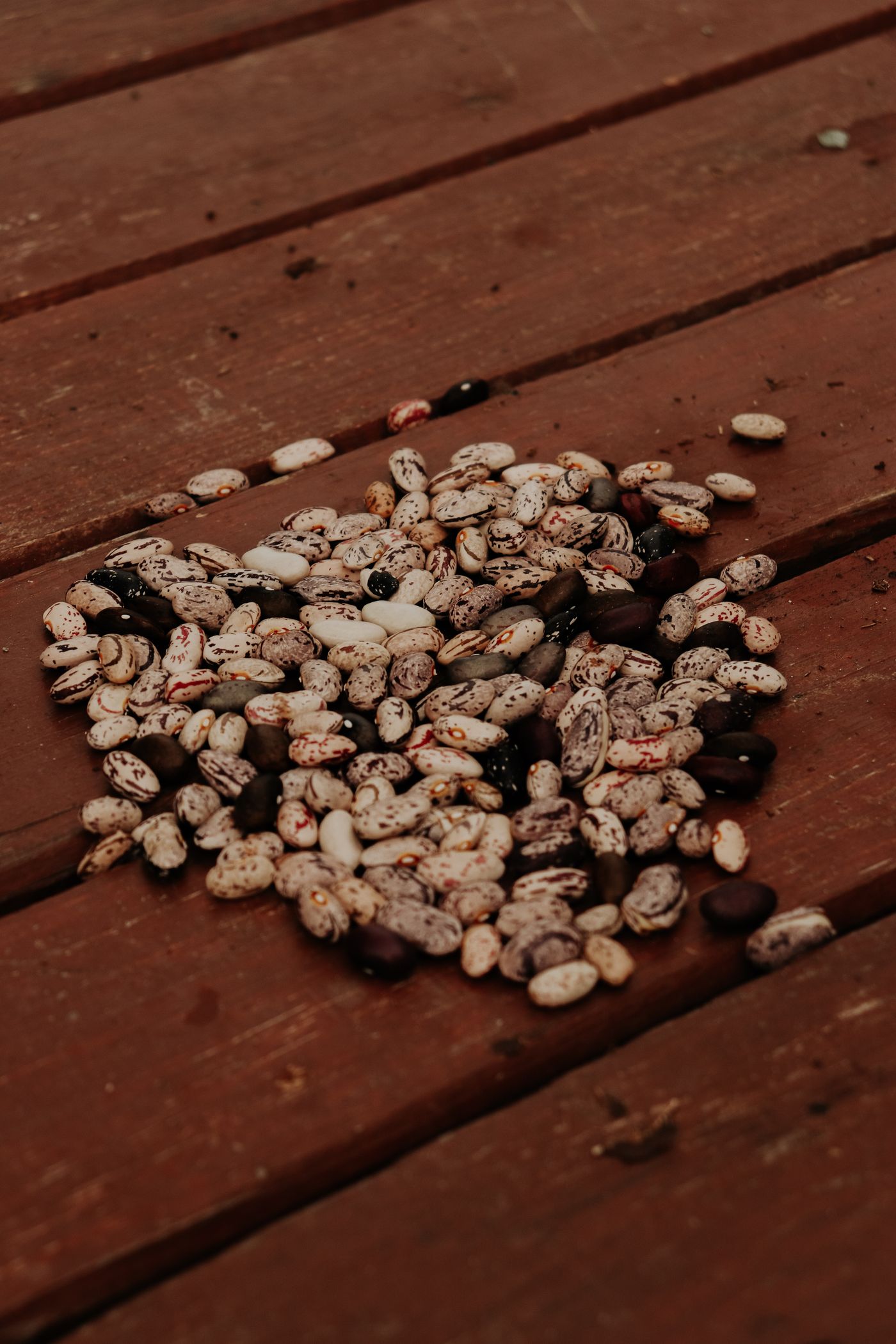
What Beans Offer a Cat
Dried beans supply starch, fiber and plant protein. A cat's protein needs are met by meat, and plant protein does not fill that role. A spoonful of beans is calories a cat can take or leave.
How Much Beans Can a Cat Have?
For a 10-pound adult cat with no known food allergy and no medical condition, 1 teaspoon of plain cooked beans, mashed, is plenty, and it adds only a few calories. WSAVA advises keeping treats below 10 percent of daily calories, about 22 to 25 treat calories a day for a cat of this size. The beans come out of that allowance, so give a little less of the regular meal that day. Kittens, seniors and cats with diabetes, kidney disease, urinary stones, pancreatitis or food allergies should get their veterinarian's opinion first.
How to Serve It
Use no-salt-added canned black, pinto or kidney beans rinsed well, or dried beans cooked all the way through. Mash them so there are no whole beans to swallow, let them cool and mix a little into your cat's food.
Raw kidney beans are the exception that matters most. The FDA explains that raw or undercooked beans, including kidney beans, contain a lectin called phytohaemagglutinin, and that high levels in raw beans can cause nausea, severe vomiting and diarrhea in people. Canned and properly cooked kidney beans contain only low levels. The FDA advice for people is to soak dried beans for at least 5 hours and then boil them for at least 30 minutes. Those findings come from people, not cats. Never offer raw, sprouted or partly cooked kidney beans.
Seasoned beans are also out. Refried beans, chili, bean soups and black bean dishes usually contain onion, garlic or both. The Merck Veterinary Manual names cats as the species most susceptible to onion and garlic poisoning. Canned beans in sauce, ranch-style beans and baked beans are salty and sweet, and the ASPCA warns that salty foods can cause thirst and vomiting in pets.
If your cat has a medical condition or eats a prescription diet, ask your veterinarian before offering beans.
Common Questions
Can cats eat raw kidney beans?
No. Raw kidney beans should never go to a cat. The FDA explains that raw or undercooked kidney beans contain phytohaemagglutinin, which can cause nausea, severe vomiting and diarrhea in people, and that soaking and boiling destroys it. Those facts come from human cases. If your cat chewed raw kidney beans, call your veterinarian or the ASPCA Animal Poison Control Center.
Can cats eat black beans?
Plain cooked black beans are fine for a cat as a rare taste, about a teaspoon mashed. Use no-salt-added canned beans rinsed well, or dried beans cooked until soft. Black bean soup, black bean burgers and seasoned black beans usually contain onion and garlic, which the Merck Veterinary Manual says cats are the most susceptible species to, so share only the plain version.
Can cats eat refried beans?
Cats should not eat refried beans. Most are cooked with lard or oil, salt, onion and garlic, and some include cheese. The Merck Veterinary Manual names cats as the species most susceptible to onion and garlic poisoning, with signs that may show up days later. If your cat licked a little, watch it closely, and call your veterinarian if it ate more or seems unwell.
Can cats eat green beans?
Green beans are a different food from dried beans. They are the whole young pod, eaten as a vegetable. Tufts Petfoodology lists green beans among low-calorie treat options for pets, raw or cooked. For a cat, a few small pieces of plain cooked green bean, with no butter, salt or garlic, is enough. Count them as part of the day's treats.
What happens if a cat eats chili with beans?
Chili is a concern because of the onion, garlic and spices, not the beans. The Merck Veterinary Manual says cats are the species most susceptible to onion and garlic, and that red blood cell damage usually appears a few days after eating. Watch for weakness, pale gums or dark urine. Call your veterinarian or the ASPCA Animal Poison Control Center at (888) 426-4435 for advice.
Sources
- Cornell Feline Health Center: Feeding your cat
- WSAVA: Feeding treats to your cat
- FDA: Natural toxins food
- Merck Veterinary Manual: Garlic and onion allium spp toxicosis in animals
- ASPCA: People foods avoid feeding your pets
- Tufts Petfoodology: Treat options for dogs and cats without unbalancing their diet