Can Cats Eat Bell Peppers?
By Pettings · Sources checked Nov 2, 2026
Cats can eat small amounts of plain cooked bell pepper. Sweet bell peppers are mild and mostly water, and they do not contain the heat of chili peppers. They are still plant food, though, and a review in Nutrition Research Reviews links cats' nutrient needs, such as taurine and preformed vitamin A, to an evolutionary diet of animal tissue. So bell pepper is a crunchy curiosity at best, not something your cat needs.
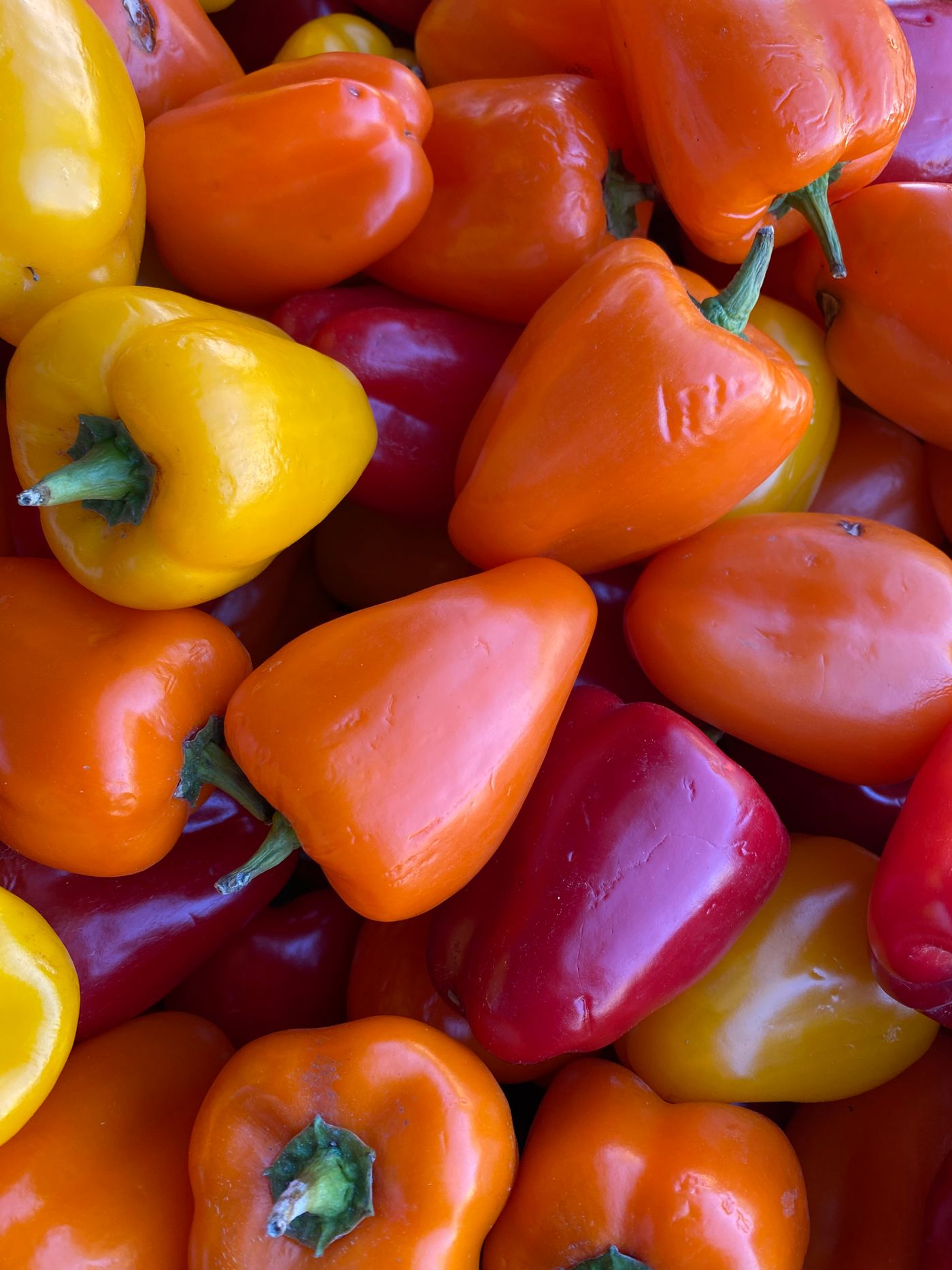
What Bell Peppers Offer a Cat
Bell peppers are watery and low in calories. People eat them for vitamin C and carotenoids, but cats make their own vitamin C, and the same review says they need preformed vitamin A rather than the carotenoids in plants. A complete cat food already supplies everything an adult cat needs, so there is no nutrient gap for a pepper to fill. Some cats like to bat a piece around before tasting it, and that play may be the main appeal.
How Much Bell Pepper Can a Cat Have?
For a 10-pound adult cat with no food allergy and no medical condition, about 1 teaspoon of finely chopped or soft cooked bell pepper is enough. That adds only a few calories. WSAVA advises keeping treats under 10 percent of daily calories, roughly 24 treat calories a day for a cat this size, and it notes that treats should never replace a complete and balanced meal. Count the pepper toward that allowance. Kittens, seniors and cats with diabetes, kidney disease, urinary stones, pancreatitis or food allergies should get the vet's input first.
How to Serve It
Wash the pepper and cut away the stem, core, white ribs and seeds. Red, yellow, orange and green bell peppers are all fine. Either steam a strip until soft or chop raw pepper into pieces no bigger than a pea so your cat cannot choke on a chunk. Serve it plain. Stuffed peppers, fajita vegetables, stir fries and roasted peppers usually come with oil, salt, garlic or onion. The ASPCA warns that onion and garlic can damage a cat's red blood cells, so pick out pepper only from food that was never seasoned. Hot peppers such as jalapenos are a different matter and should not be shared. Offer a small taste first and watch for vomiting or loose stool over the next day.
Ask your veterinarian before sharing bell pepper with a cat that has a medical condition or follows a special diet.
Common Questions
Can cats eat raw bell peppers?
Yes, if the pepper is plain and chopped very small. Raw bell pepper is crunchy, so cut it into pea-sized pieces or smaller and remove the stem, seeds and white ribs first. Many cats prefer a softer, steamed piece. Either way, keep it to about a teaspoon for a 10-pound adult cat so it stays within the daily treat allowance WSAVA recommends.
Are green bell peppers OK for cats?
Green bell peppers are fine in the same small, plain amounts as red, yellow or orange ones. Green peppers are simply picked before they ripen and change color. Wash the pepper, remove the stem, seeds and ribs, and offer about a teaspoon of finely chopped or soft cooked pepper. Skip any pepper that was cooked with onion or garlic, which the ASPCA warns can damage a cat's red blood cells.
Can cats eat stuffed peppers?
No, skip stuffed peppers. The filling usually includes onion, garlic, salt, cheese or seasoned meat. The ASPCA warns that onion and garlic can damage a cat's red blood cells and that too much salt can cause vomiting, diarrhea and other problems. If you want to share pepper, set aside a plain piece before you stuff and season the rest.
Can kittens eat bell peppers?
Kittens do not need bell pepper. A kitten's small stomach is better filled with a complete kitten food that supports growth, and WSAVA notes that treats should never replace a complete and balanced meal. A tiny lick of plain pepper is unlikely to matter, but ask your veterinarian before you start giving vegetables or other extras to a kitten.
Can cats eat bell peppers every day?
A teaspoon of plain bell pepper fits within the daily treat allowance, but there is no reason to make it a daily habit. Cats are obligate carnivores, and a review in Nutrition Research Reviews traces their nutrient needs to a diet of animal tissue. If your cat enjoys a piece now and then, keep it small and plain, and feed a balanced cat food for everything else.