Can Cats Eat Black Pepper?
By Pettings · Sources checked Nov 2, 2026
No. Keep black pepper away from cats. We did not find a veterinary source that describes black pepper poisoning in cats, so this advice is not about the spice being a known poison. It is about two plain facts: a cat gets nothing from pepper, and peppered food almost always carries other ingredients that cats should not eat.
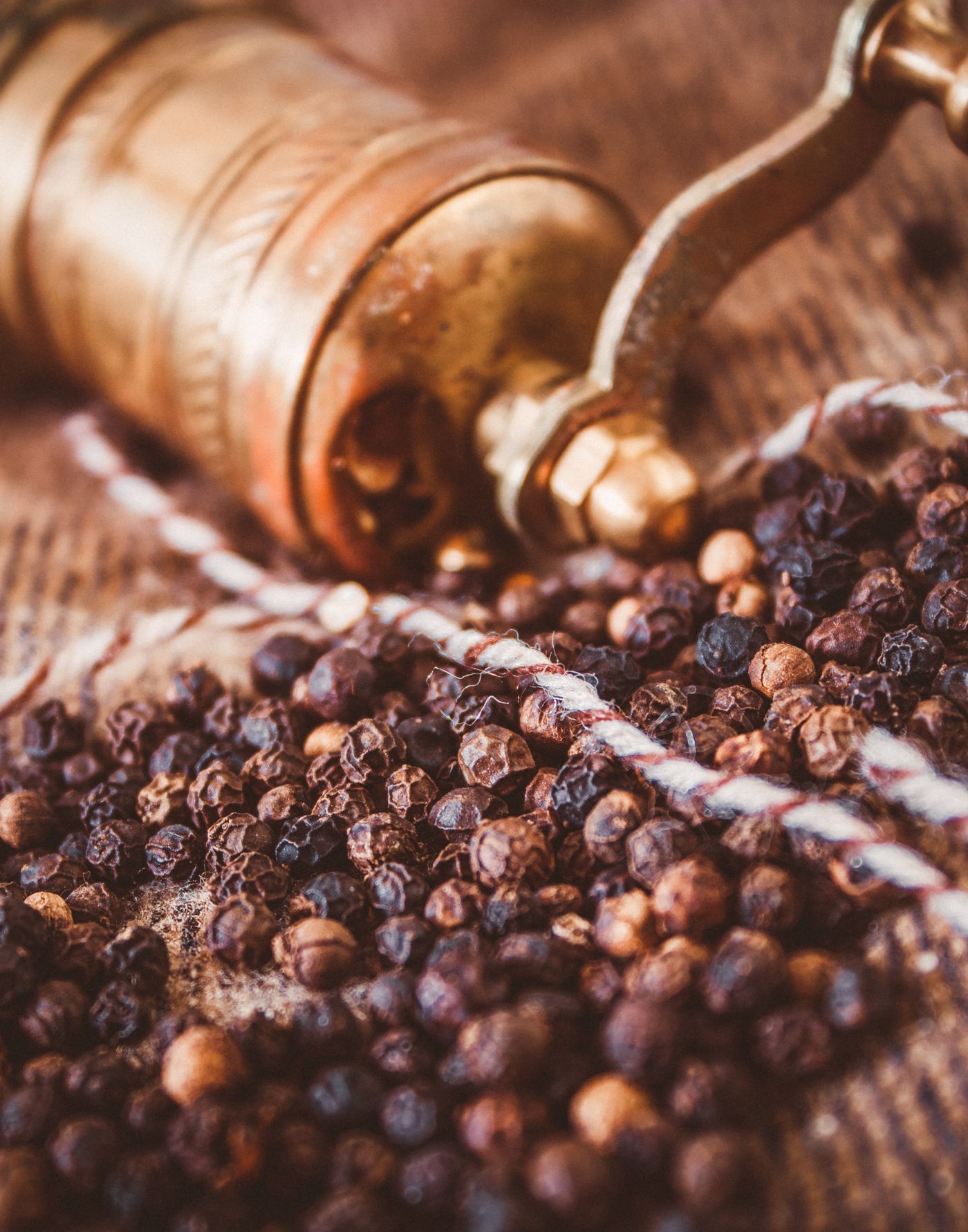
Why Black Pepper Is a Problem for Cats
The Cornell Feline Health Center describes cats as obligate carnivores that rely on nutrients found only in animal products. Pepper is a pungent seasoning, and cats do not need seasoning of any kind. Many cats will sneeze, back away or refuse food that smells of it.
The bigger issue is what travels with pepper. Steak, deli meat, gravy, eggs, chips and roast chicken are rarely peppered and nothing else. Salt is the usual partner, and the ASPCA lists salt and excessively salty foods among foods to keep away from pets because too much salt can cause increased thirst and urination and abnormal electrolytes in the blood. Garlic and onion are the next most common partners. The Merck Veterinary Manual says cats are the species most sensitive to garlic and onion, and that concentrated forms such as powders, dehydrated flakes and dry onion soup mixes are most often behind poisoning in cats and dogs. Lemon pepper, steak seasoning and many rubs combine pepper with salt and garlic powder.
The World Small Animal Veterinary Association (WSAVA) also notes that some common human foods can exceed a cat's daily treat calories in a single serving, so fatty peppered meats add another problem.
Signs to Watch For
Because pepper itself is not described in the veterinary sources we checked, the signs to watch come from what was on the plate. The ASPCA lists vomiting, diarrhea, depression, tremors and seizures for too much salt. For garlic and onion, the Merck Veterinary Manual describes lethargy, poor appetite, fast breathing, weakness, yellow gums or dark urine, often a few days after the meal. A cat that sneezed at a pepper shaker and then settles down is unlikely to need care.
What to Do If Your Cat Ate Black Pepper
If your cat ate seasoned food or got into a spice blend, call your veterinarian or the ASPCA Animal Poison Control Center at (888) 426-4435 right away. Do not try to make your cat vomit unless a veterinarian tells you to. Bring the package or seasoning label so the vet can check for garlic, onion and salt.
If your cat has a medical condition or eats a special diet, ask your veterinarian before sharing any seasoned food.
Common Questions
Is black pepper toxic to cats?
We found no veterinary source that lists black pepper as poisonous to cats. Still, pepper gives a cat nothing, and most peppered food also contains salt, garlic or onion. The Merck Veterinary Manual says cats are the species most sensitive to garlic and onion, and the ASPCA lists salt among foods to keep from pets. Those ingredients are the real reason to keep peppered food away.
Why does my cat sneeze at pepper?
Pepper is a strong irritant to the nose, and cats have sensitive noses, so a sneeze or two after sniffing ground pepper is a common reaction. It usually passes quickly. If the sneezing keeps going, your cat has discharge from the nose or eyes, or it struggles to breathe, call your veterinarian, since the cause may not be the pepper.
Can cats eat food with a little pepper on it?
It is better to give your cat an unseasoned portion. A trace of black pepper is not described as a poison in the sources we checked, but the same dish usually has salt, butter, garlic or onion. Set aside plain cooked meat before seasoning the rest. The Merck Veterinary Manual reports poisoning in cats after less than a teaspoon of cooked onion.
Can cats eat lemon pepper chicken?
No, skip lemon pepper chicken. Lemon pepper seasoning is usually a blend of pepper, salt, dried lemon and often garlic or onion powder. The Merck Veterinary Manual says concentrated powders are the most common cause of garlic and onion poisoning in cats. Give your cat a small piece of plain cooked chicken with no seasoning instead.
Can kittens eat black pepper?
No. Kittens do not need any seasoning, and their small size means seasoned foods hit them harder. Peppered food usually carries salt and garlic or onion too. The Cornell Feline Health Center describes cats as obligate carnivores that need nutrients from animal products, and a complete kitten food covers them. Keep seasoned table food off a kitten's menu.