Can Cats Eat Bread?
By Pettings · Sources checked Nov 2, 2026
Bread is an occasional treat at most, and only when it is plain, fully baked and given as a single small bite. Baked bread is not on the ASPCA list of people foods to avoid, but raw yeast dough is, along with several ingredients that end up in bread. The Cornell Feline Health Center describes cats as obligate carnivores whose natural diet holds very few carbohydrates, so bread adds calories without adding anything a cat needs.
What Bread Offers a Cat
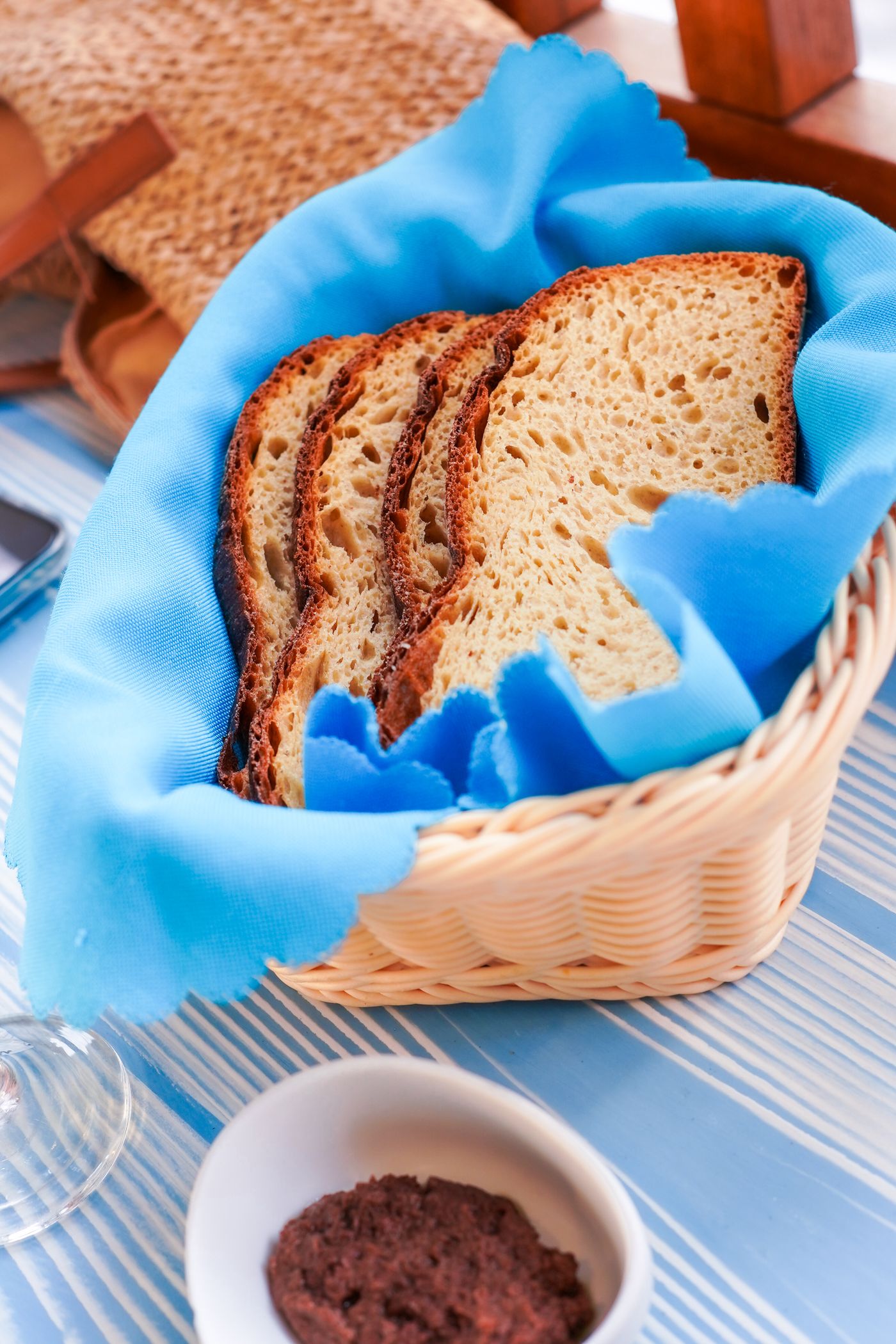
Most bread is refined flour, water, yeast and salt. That means starch, some salt and a small amount of wheat protein. None of it fills a gap in a complete cat food. Many cats ignore bread completely. Others lick at the butter or crust, which says more about the fat and salt on top than about the bread itself. There is no nutritional reason to offer it.
How Much Bread Can a Cat Have?
For a 10-pound adult cat with no known food allergy and no medical condition, one fingertip-size bite of plain bread is the limit, and it adds a few calories. WSAVA sets the treat allowance at less than 10 percent of daily calories, about 22 to 25 calories a day for a cat of this size. A whole slice of bread would use far more than that. Count the bite as part of the day's food rather than an extra. Kittens, seniors and cats with diabetes, kidney disease, urinary stones, pancreatitis or food allergies should have their veterinarian decide whether bread fits at all.
How to Serve It
Only plain, fully baked white or wheat bread qualifies. Pull off a small piece with no butter, jam, spread or seeds. Several versions are off limits. Garlic bread and onion rolls contain alliums, and the Merck Veterinary Manual calls cats the species most susceptible to onion and garlic poisoning. Raisin bread is out because WSAVA lists raisins among foods toxic to cats, and Merck reports a case of raisin or grape poisoning in a cat. Chocolate babka and chocolate chip bread are out too, since the ASPCA lists chocolate as a toxic food for pets.
Raw, unbaked yeast dough is a separate emergency. The ASPCA explains that dough can keep rising in the stomach and that yeast produces alcohol as it ferments. If your cat gets into rising dough, call your veterinarian right away. Sugar-free breads may contain xylitol; the ASPCA says cats are not affected by xylitol the way dogs are, but such breads still have nothing to offer a cat.
If your cat has a medical condition or eats a prescription diet, ask your veterinarian before offering bread.
Common Questions
Why does my cat like bread?
Many cats that seem to like bread are drawn to the butter, oil or salt on it, or simply to whatever you are eating. Cats are obligate carnivores, and Cornell describes their natural diet as high in protein and low in carbohydrates, so the starch itself is not what they need. If your cat begs, a small piece of plain cooked chicken fits a cat's diet better than bread.
Can cats eat garlic bread?
No. Garlic bread should stay away from cats. The Merck Veterinary Manual says cats are the species most susceptible to onion and garlic poisoning, and that garlic is three to five times more potent than onion. The damage to red blood cells usually shows up days later, so call your veterinarian or the ASPCA Animal Poison Control Center at (888) 426-4435 even if your cat seems fine.
Can kittens eat bread?
Kittens should not be given bread. They need a complete kitten food to grow, and bread fills a small stomach with starch instead. A crumb picked up off the floor is not a cause for worry if it was plain baked bread. Raw dough, garlic bread and raisin bread are different, and a kitten that eats any of them needs a call to the veterinarian.
Can cats eat bread every day?
Daily bread is not a good habit for a cat. WSAVA advises that treats stay under 10 percent of daily calories, about 22 to 25 calories for a 10-pound cat, and bread uses that allowance on starch the cat does not need. A rare fingertip-size bite of plain baked bread is the most to offer. Daily treats work better as small pieces of plain cooked meat.
What happens if my cat eats bread dough?
Raw yeast dough is an emergency. The ASPCA explains that the dough can rise inside the stomach and cause painful bloating, and that the yeast makes alcohol that the body absorbs. The Merck Veterinary Manual lists early signs such as unproductive retching, a swollen belly and lethargy, followed by wobbling and depression. Call your veterinarian or the ASPCA Animal Poison Control Center at (888) 426-4435 right away.
Sources
- Cornell Feline Health Center: Feeding your cat
- WSAVA: Feeding treats to your cat
- ASPCA: People foods avoid feeding your pets
- Merck Veterinary Manual: Bread dough toxicosis in animals
- Merck Veterinary Manual: Garlic and onion allium spp toxicosis in animals
- Merck Veterinary Manual: Food hazards
- ASPCA: Updated safety warning xylitol how protect your pets
