Can Cats Eat Brussels Sprouts?
By Pettings · Sources checked Nov 2, 2026
Cats can eat small amounts of plain cooked Brussels sprouts. A soft, unseasoned leaf or two will not hurt most adult cats, but it does nothing for them nutritionally. A review in Nutrition Research Reviews traces cats' need for taurine, arginine, preformed vitamin A and a high level of protein back to an evolutionary diet of animal tissue. Brussels sprouts supply little or none of those, so think of them as a curiosity rather than a treat with a purpose.
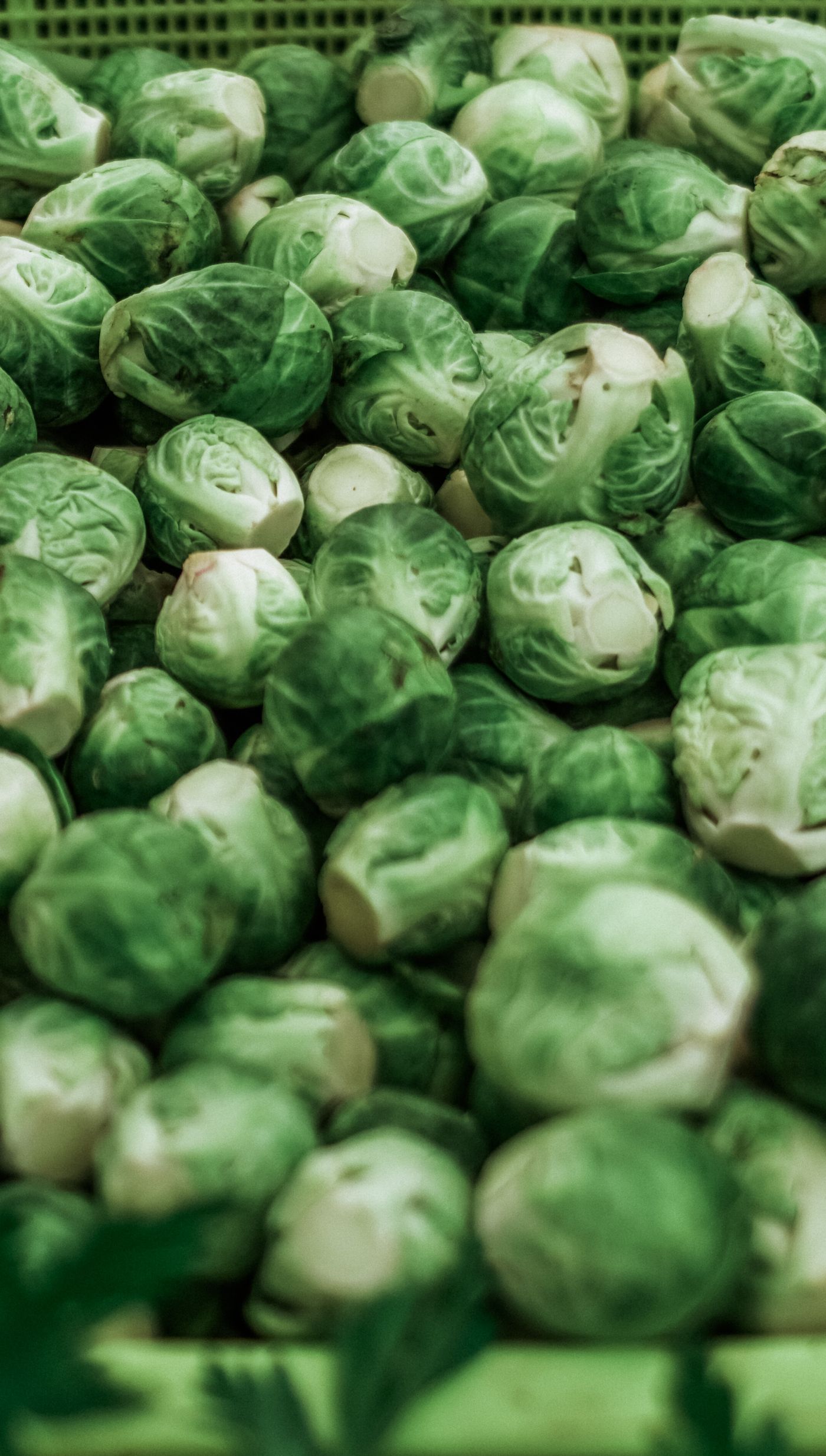
What Brussels Sprouts Offer a Cat
Brussels sprouts are a cabbage-family vegetable made up mostly of water and fiber, with small amounts of vitamins that cats either make for themselves or already get from complete cat food. Cats can make their own vitamin C, and the same review says they need vitamin A in its preformed form. The fiber may change a cat's stool, so a large serving is more likely to show up in the litter box than to do any good. If your cat paws at a sprout, it may be more interested in rolling it than eating it.
How Much Brussels Sprout Can a Cat Have?
For a 10-pound adult cat with no food allergy and no medical condition, about 1 teaspoon of chopped, cooked sprout is the most to offer. That adds only a few calories. WSAVA advises that treats make up less than 10 percent of a cat's daily calories, roughly 24 treat calories a day for a cat this size, and it stresses that treats should never replace a complete and balanced meal. Kittens, seniors and cats with diabetes, kidney disease, urinary stones, pancreatitis or food allergies should check with the vet before trying new foods.
How to Serve It
Trim the stem end, pull off any yellowed outer leaves and wash the sprout. Steam or boil it until it is soft enough to mash with a fork, then let it cool and chop it fine. Serve it with nothing on it. Most Brussels sprouts on a dinner table are roasted with oil, salt, garlic, onion, bacon or a sweet glaze. The ASPCA warns that onion and garlic can damage a cat's red blood cells, so do not share sprouts cooked with either. Raw sprouts are hard and dense, which makes them a poor choice. Offer a small taste the first time and watch for vomiting, gas or loose stool.
Talk to your veterinarian before giving Brussels sprouts to a cat with a medical condition or a special diet.
Common Questions
Can cats eat raw Brussels sprouts?
It is better to cook them first. Raw Brussels sprouts are hard, round and dense, and a cat that tries to gulp one could struggle with it. Steamed or boiled sprouts turn soft and can be chopped into small pieces. Offer about a teaspoon of plain cooked sprout to a 10-pound adult cat, and keep it within the daily treat allowance WSAVA recommends.
Can cats eat roasted Brussels sprouts?
Only if they were roasted plain, which is rare. Most recipes add oil, salt, garlic, onion, bacon or balsamic glaze. The ASPCA warns that onion and garlic can damage a cat's red blood cells and that too much salt can cause vomiting and diarrhea. Set aside a plain steamed sprout for your cat instead of sharing from the roasting pan.
Do cats need vegetables like Brussels sprouts?
No. Cats are obligate carnivores, and a review in Nutrition Research Reviews links their nutrient needs, including taurine, arginine and preformed vitamin A, to a diet of animal tissue. A complete and balanced cat food covers those needs without vegetables on the side. A bit of plain cooked sprout is fine as a treat, but it is optional.
Can kittens eat Brussels sprouts?
Kittens are better off sticking to a complete kitten food. Their stomachs are small and their growth depends on getting enough of that food each day. WSAVA notes that treats should never replace a complete and balanced meal. If you want to try a small taste of plain cooked sprout with a kitten, ask your veterinarian first.
Can cats eat cabbage-family vegetables every day?
There is no reason to feed them daily, though a teaspoon of plain cooked Brussels sprout or cabbage fits within the treat allowance for an adult cat. WSAVA advises keeping treats under 10 percent of daily calories. If your cat enjoys the occasional bite, keep the portion small and plain, and reduce the regular food a little on those days.