Can Cats Eat Cabbage?
By Pettings · Sources checked Nov 2, 2026
Cats can eat small amounts of plain cooked cabbage. Green, red, savoy and napa cabbage all work the same way: a soft, unseasoned piece is fine for most adult cats, but it is not something they need. A review in Nutrition Research Reviews ties cats' requirements for taurine, arginine, preformed vitamin A and a lot of protein to a long history of eating animal tissue. Cabbage supplies little or none of these.
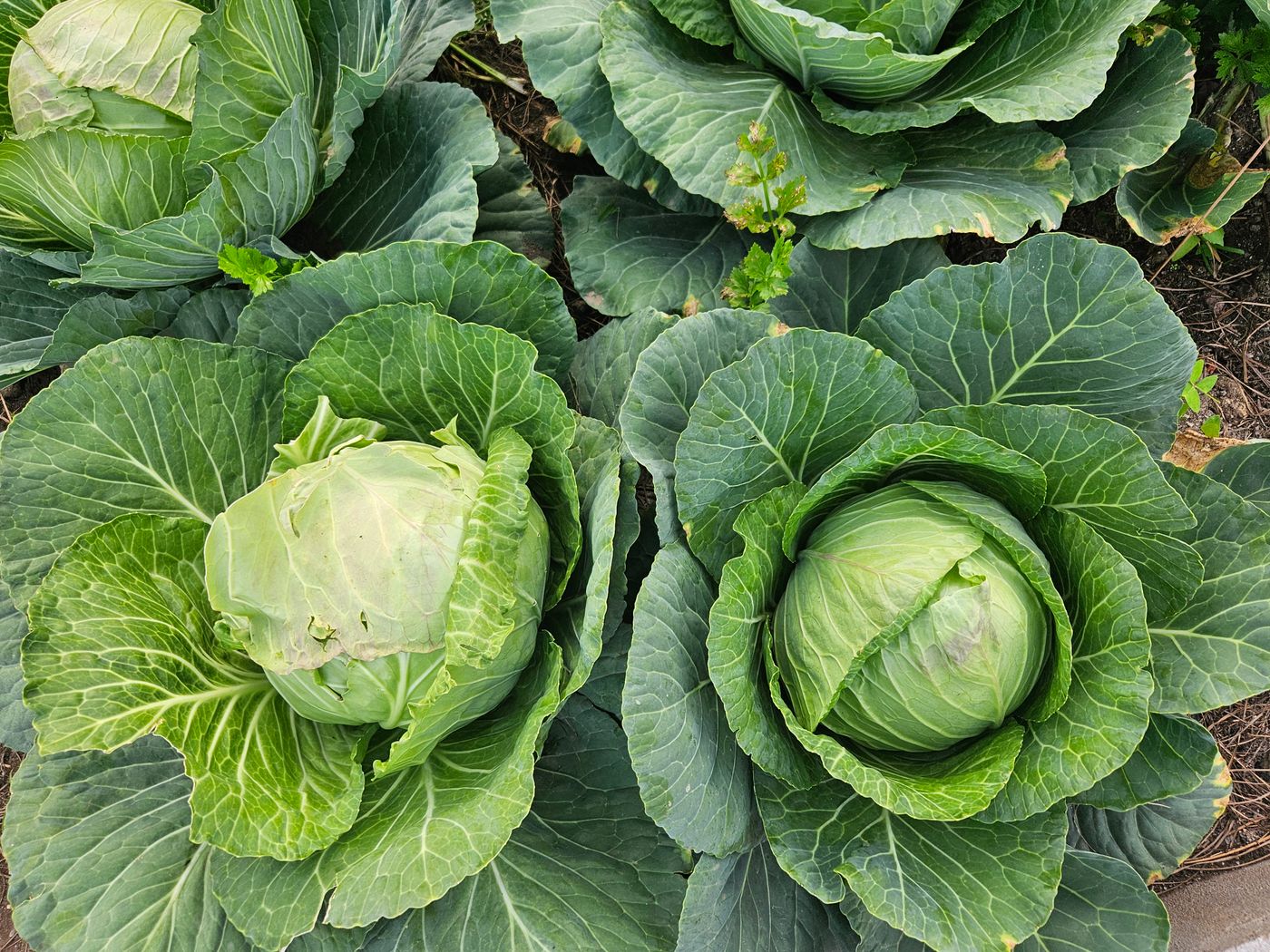
What Cabbage Offers a Cat
Cabbage is mostly water, with fiber and small amounts of vitamins. Cats make their own vitamin C, and that same review says they need vitamin A in its preformed form, so the vitamins people value in cabbage do little for them. The fiber can change stool consistency, and some cats may pass more gas after a large serving. A complete and balanced cat food already covers an adult cat's needs, which makes cabbage a texture to try rather than a supplement.
How Much Cabbage Can a Cat Have?
For a 10-pound adult cat with no food allergy and no medical condition, about 1 teaspoon of chopped, cooked cabbage is enough. That adds only a few calories. WSAVA advises that treats stay under 10 percent of daily calories, about 24 treat calories a day for a cat this size, and that treats should never replace a complete and balanced meal. Count the cabbage toward that allowance. Kittens, seniors and cats with diabetes, kidney disease, urinary stones, pancreatitis or food allergies should get the vet's advice first.
How to Serve It
Remove the tough core and any wilted outer leaves, wash the cabbage and steam or boil a leaf until it is soft. Let it cool, then chop it into small pieces. Do not add butter, salt, vinegar or spices. Several cabbage dishes are off the list. Coleslaw comes with mayonnaise, sugar and sometimes onion. Sauerkraut and kimchi are salty, and kimchi usually contains garlic, scallions and chili. Cabbage rolls and stir fries tend to include onion or garlic, which the ASPCA warns can damage a cat's red blood cells. The ASPCA also notes that too much salt can cause vomiting, diarrhea and increased thirst. Offer one small taste first and watch the litter box for the next day.
Ask your veterinarian before feeding cabbage to a cat with a medical condition or a special diet.
Common Questions
Can cats eat raw cabbage?
A small shred of raw cabbage is not a concern for most adult cats, but cooked cabbage is softer and easier to chew. Steam or boil a leaf, let it cool and chop it fine. Keep the portion to about a teaspoon for a 10-pound adult cat so it stays within the daily treat allowance WSAVA recommends.
Can cats eat coleslaw?
No, skip the coleslaw. It is usually dressed with mayonnaise, sugar and vinegar, and some recipes add onion. The ASPCA warns that onion can damage a cat's red blood cells, and the fat in a creamy dressing can upset a cat's stomach. If you want to share cabbage, set aside a plain leaf, cook it soft and chop it.
Can cats eat sauerkraut?
Sauerkraut is too salty to share. It is cabbage fermented in a salt brine, and the ASPCA says excess salt can cause increased thirst and urination and, in larger amounts, vomiting, diarrhea, tremors and seizures. Kimchi is a similar story, with garlic and scallions added. Offer plain cooked cabbage instead if your cat is curious.
Can kittens eat cabbage?
Kittens should get their food from a complete kitten diet. A growing kitten has a small stomach and high needs, and WSAVA notes that treats should never replace a complete and balanced meal. A tiny piece of plain cooked cabbage is unlikely to matter, but check with your veterinarian before you start offering vegetables to a kitten.
Is cabbage good for cats with constipation?
Do not treat constipation with cabbage at home. Straining in the litter box can come from constipation or from a urinary problem, and the two are hard to tell apart without an exam. Call your veterinarian if your cat strains, cries in the box or has not passed stool in a couple of days. Your vet can decide whether more fiber is the right step.