Can Cats Eat Cake?
By Pettings · Sources checked Nov 2, 2026
No. Keep cake away from cats. Cake is mostly sugar, fat and refined flour, and many cakes contain chocolate, raisins or other ingredients that WSAVA lists as toxic to cats. A cat gets nothing from cake that its regular food does not already provide.
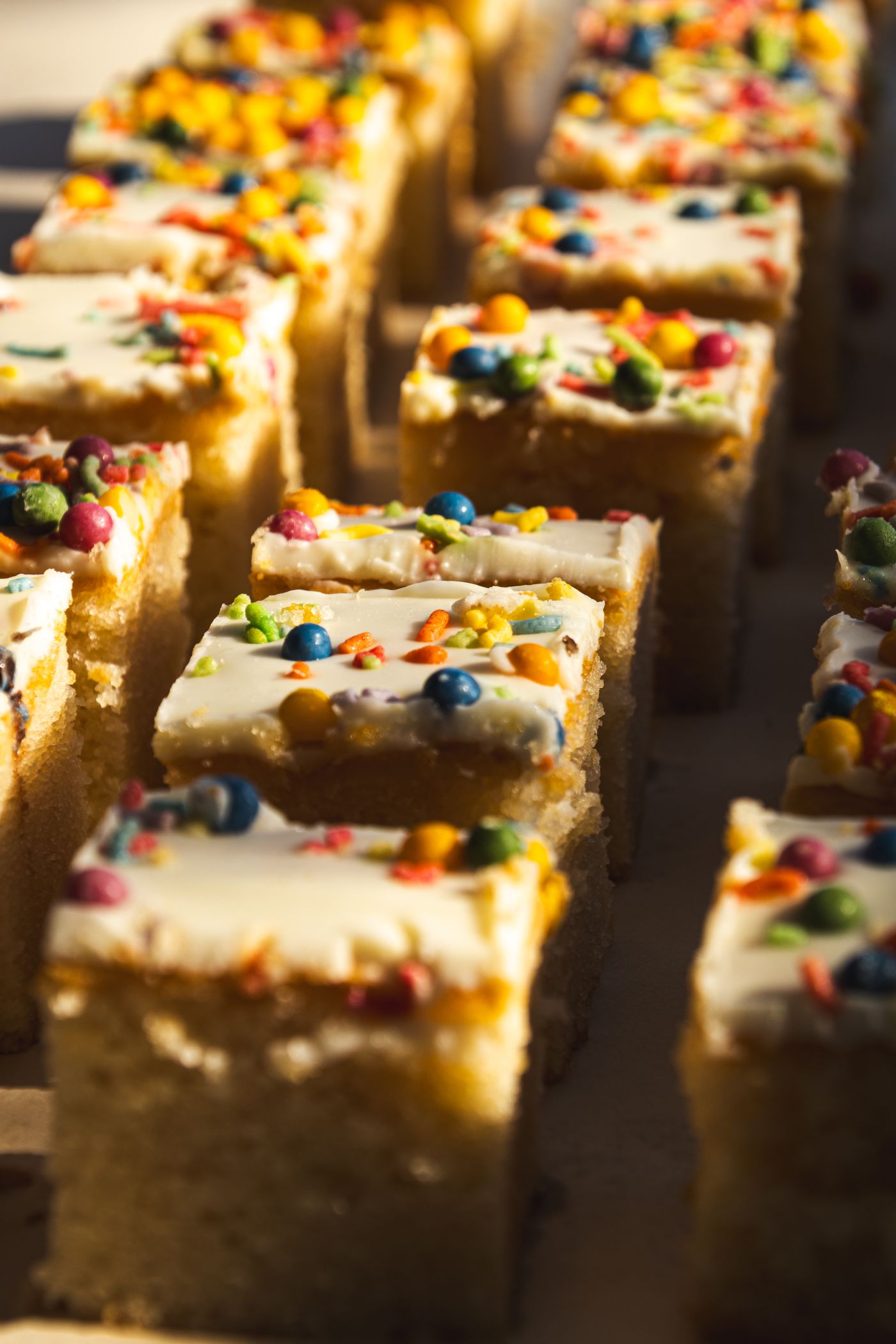
Why Cake Is a Problem for Cats
Chocolate is the biggest worry. The ASPCA explains that chocolate contains methylxanthines, and that darker chocolate and cocoa powder carry the most. That makes a chocolate cake with cocoa in the batter and chocolate frosting a real concern even in small amounts. Carrot cake, fruitcake and spice cakes may contain raisins, which WSAVA lists among foods toxic to cats; the Merck Veterinary Manual reports a case of grape or raisin poisoning in a cat. Some cakes are made with macadamia nuts or other nuts that are high in fat.
Plain vanilla cake still offers nothing useful. Frosting is butter or cream and sugar, and the Cornell Feline Health Center notes that many cats are lactose intolerant. Tufts Petfoodology says high-fat foods can cause vomiting or diarrhea in pets with sensitive stomachs. Raw cake batter adds the risks of raw flour and raw egg, which the FDA links to E. coli and Salmonella. Sugar-free cakes may use xylitol. The ASPCA says cats are not affected by xylitol the way dogs are, but that does not turn a sugar-free cake into a cat treat.
Signs to Watch For
The ASPCA lists vomiting, diarrhea, panting, excessive thirst and urination, hyperactivity, abnormal heart rhythm, tremors and seizures among the signs of chocolate poisoning in pets. Merck notes that dogs that eat grapes or raisins develop vomiting or diarrhea within 6 to 12 hours. A cat that ate plain cake or frosting is more likely to have a short bout of vomiting or loose stool.
What to Do If Your Cat Ate Cake
If the cake had chocolate, cocoa, raisins or nuts, call your veterinarian or the ASPCA Animal Poison Control Center at (888) 426-4435 right away. Do not try to make your cat vomit unless a veterinarian tells you to. Bring the box, recipe or ingredient label so the vet can see what was in the cake and frosting, and estimate how much is gone. For plain cake, watch your cat for the next day and call your vet if vomiting or diarrhea continues.
If your cat has diabetes, pancreatitis or any other medical condition, or eats a special diet, ask your veterinarian what to do after it eats cake.
Common Questions
Can cats eat vanilla cake?
Plain vanilla cake is not a food to share with a cat. It is sugar, butter and flour, and the frosting is usually dairy, which the Cornell Feline Health Center says many cats cannot digest well. A lick of vanilla frosting is unlikely to cause more than a mild upset stomach, but there is no reason to offer it. A cat treat suits a birthday better.
What happens if my cat eats chocolate cake?
Chocolate cake can make a cat sick. The ASPCA explains that chocolate contains methylxanthines and that cocoa powder and dark chocolate carry the most. Signs it lists include vomiting, diarrhea, panting, restlessness, abnormal heart rhythm, tremors and seizures. Call your veterinarian or the ASPCA Animal Poison Control Center at (888) 426-4435 right away and have the recipe or package on hand.
Can cats eat cake frosting?
Cats should not eat frosting. It is mostly sugar and butter or cream, and the Cornell Feline Health Center notes that many cats are lactose intolerant. Chocolate frosting adds methylxanthines, which the ASPCA lists as toxic to pets. If your cat licked a little plain frosting, watch for vomiting or diarrhea. If it was chocolate frosting, call your veterinarian for advice.
Can cats eat carrot cake?
Carrot cake is not suitable for cats. Many recipes include raisins, which WSAVA lists as toxic to cats, and walnuts or pecans, which the ASPCA says are high in fat and oil. The cream cheese frosting is dairy and sugar. If your cat ate carrot cake with raisins in it, call your veterinarian or the ASPCA Animal Poison Control Center and say how much is missing.
Can I make a birthday cake for my cat?
You can make a cat birthday treat, but it should not be people cake. A small mound of your cat's usual wet food topped with a few flakes of plain cooked chicken or salmon works as a cake for a cat. Keep it to the treat allowance WSAVA describes, under 10 percent of daily calories, about 22 to 25 calories for a 10-pound cat, and trim the next meal.
Sources
- ASPCA: People foods avoid feeding your pets
- WSAVA: Feeding treats to your cat
- Merck Veterinary Manual: Food hazards
- Cornell Feline Health Center: Feeding your cat
- FDA: Flour raw food and other safety facts
- ASPCA: Updated safety warning xylitol how protect your pets
- Tufts Petfoodology: The most popular holiday foodsthat your pet should avoid