Can Cats Eat Cantaloupe?
By Pettings · Sources checked Nov 2, 2026
Cats can eat small amounts of plain fresh cantaloupe. A couple of small cubes of ripe flesh, with the rind and seeds removed, is fine for most adult cats. Cats get nothing they need from melon, though. A review in Nutrition Research Reviews links cats' requirements for taurine, arginine, preformed vitamin A and plenty of protein to an evolutionary diet of animal tissue, and fruit covers little or none of those.
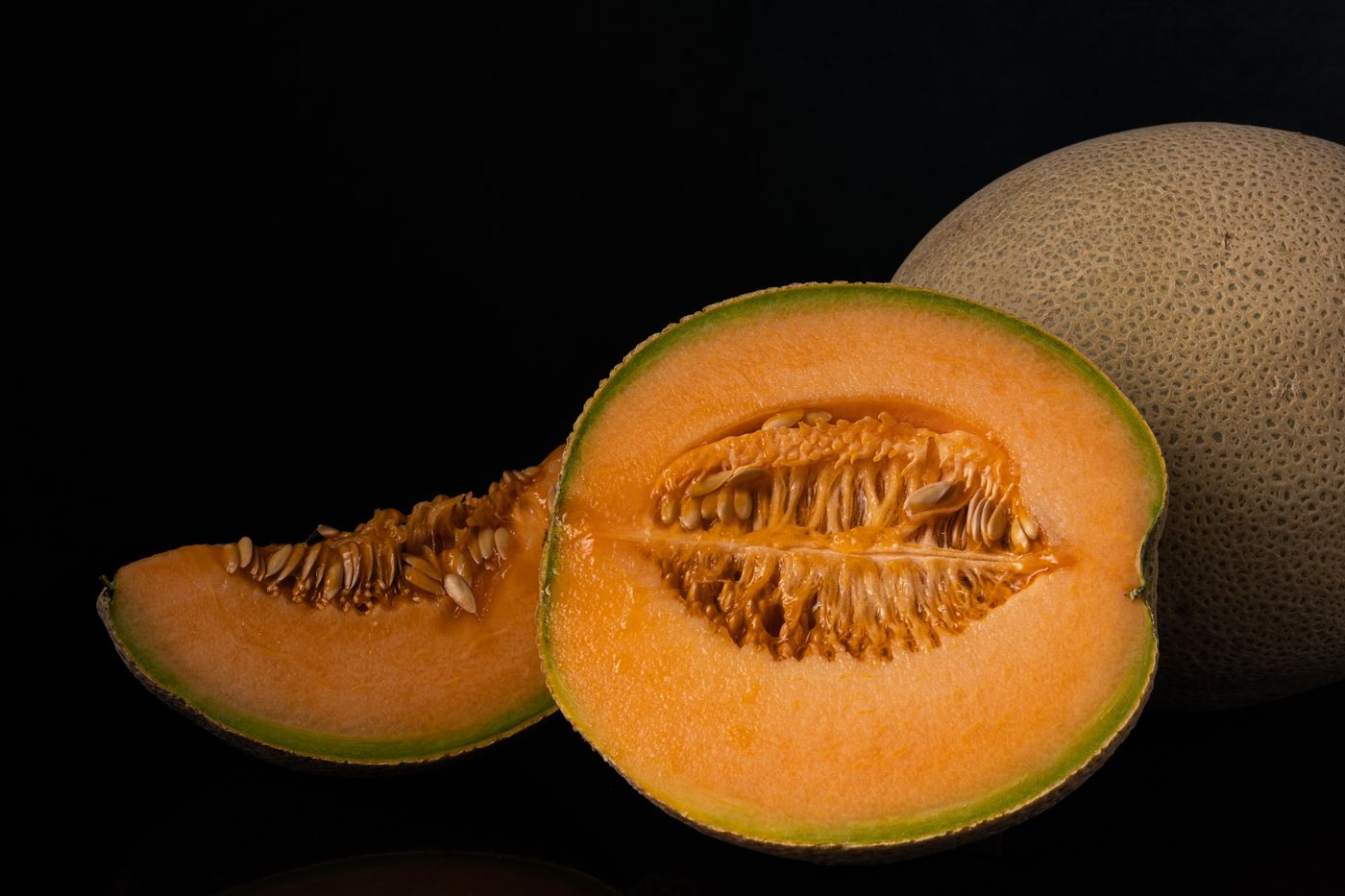
What Cantaloupe Offers a Cat
Cantaloupe is mostly water with natural sugar, a little fiber and beta carotene. Cats need vitamin A in its preformed form from animal sources rather than from the beta carotene in plants, according to the same review, so the orange color is not doing much for them. Researchers writing in PLOS Genetics found that cats carry a broken copy of a gene needed for the sweet taste receptor, which likely explains their indifference to sugar. A cat that begs for cantaloupe is probably reacting to its smell or soft, wet texture rather than its sweetness.
How Much Cantaloupe Can a Cat Have?
For a 10-pound adult cat with no food allergy and no medical condition, about 1 tablespoon of cantaloupe, cut into 2 or 3 small cubes, is enough. That adds only a few calories. WSAVA advises keeping treats under 10 percent of daily calories, about 24 treat calories a day for a cat this size, and it notes that treats should never replace a complete and balanced meal. Since melon is sugary, keep it a small treat rather than a daily habit. Cats with diabetes, kidney disease, urinary stones, pancreatitis or food allergies, along with kittens and seniors, should get the vet's approval before trying it.
How to Serve It
Scrub the outside of the melon under running water before you cut it, so the knife does not drag dirt from the rind into the flesh. Scoop out the seeds and slice the flesh away from the rind. Cut a little of the ripe flesh into cubes about the size of a pea and serve them chilled or at room temperature. Do not give the rind, which is tough and hard to chew, or the seeds. Skip cantaloupe that is overripe or mushy, and skip fruit salad with added sugar, syrup or yogurt; the ASPCA notes that dairy can cause diarrhea in pets. Melon-flavored candy and sorbet are not substitutes. Offer one cube first and watch for vomiting or loose stool.
Ask your veterinarian before giving cantaloupe to a cat with a medical condition or a special diet.
Common Questions
Why does my cat like cantaloupe?
It is probably not the sugar. Researchers writing in PLOS Genetics found that cats have a broken version of a gene needed for the sweet taste receptor, which likely explains why they show no interest in sugar. Many cats seem drawn to the smell of cantaloupe or its soft, wet texture. A couple of small cubes is fine if your cat enjoys it.
Can cats eat cantaloupe rind?
No, cut the flesh away from the rind before sharing. The rind is tough and hard for a cat to chew, and a cat tends to gulp food rather than chew it well. Pieces of rind are better off in the trash. Offer 2 or 3 pea-sized cubes of ripe flesh instead, and keep the total to about a tablespoon for a 10-pound adult cat.
Can cats eat cantaloupe seeds?
It is better to scoop them out. The seeds are slippery and have no value for a cat, and removing them takes a few seconds. Serve only small cubes of the ripe orange flesh. Keep the portion small enough to fit within the daily treat allowance WSAVA recommends, which is under 10 percent of daily calories.
Can kittens eat cantaloupe?
Kittens are better off with their complete kitten food. A kitten's small stomach needs room for the nutrients that support growth, and WSAVA notes that treats should never replace a complete and balanced meal. A tiny lick of melon is unlikely to matter, but ask your veterinarian before offering fruit to a kitten.
Can cats with diabetes eat cantaloupe?
Ask your veterinarian first. Cantaloupe contains natural sugar, and a diabetic cat's diet and insulin are usually matched carefully, so even small extras can make a difference. Your vet may prefer a protein-based treat or none at all. Do not add fruit to a diabetic cat's routine without the vet's approval.