Can Cats Eat Cheese?
By Pettings · Sources checked Nov 2, 2026
Cheese is an occasional treat at most, and only in tiny pieces for an adult cat that handles dairy without stomach trouble. Cheese is dense in calories, and WSAVA lists cheddar at 120 calories per ounce, about five times a 10-pound cat's daily treat allowance. It also contains milk sugar and salt, both reasons to keep the portion very small.
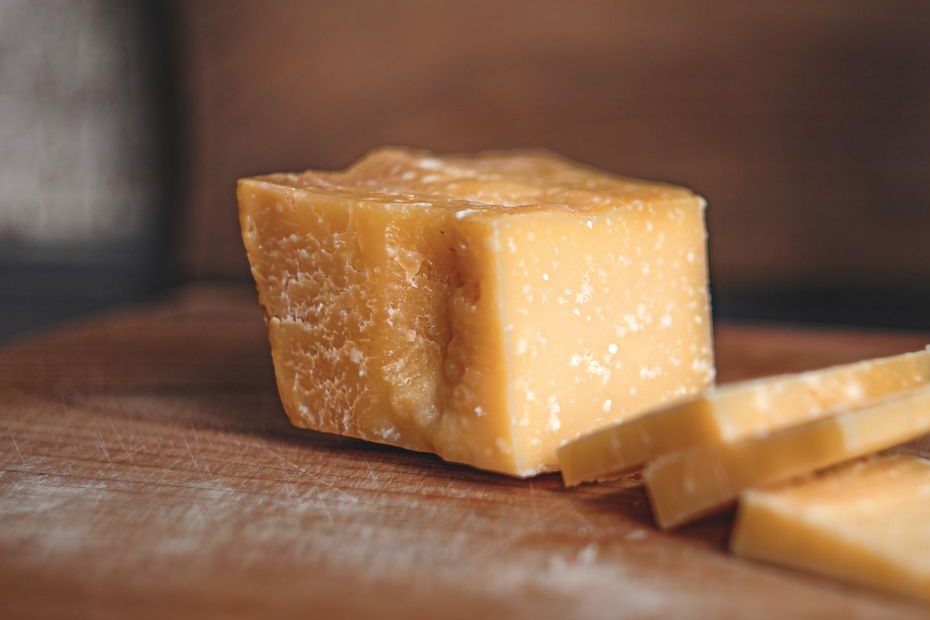
What Cheese Offers a Cat
Cheese brings milk protein and milk fat, along with salt added during cheesemaking. Cats are obligate carnivores, and the Cornell Feline Health Center notes that they rely on nutrients found in animal products. A complete cat food covers those needs, so cheese adds flavor and calories rather than anything a cat lacks.
Hard, aged cheeses like cheddar contain less lactose than milk, but cheese still counts as dairy. The ASPCA explains that pets do not have significant amounts of lactase, so dairy can upset their digestion and cause diarrhea, and WSAVA lists dairy products among treats to avoid for cats that are lactose intolerant. The ASPCA also warns that too much salt can cause increased thirst and urination.
How Much Cheese Can a Cat Have?
WSAVA says treats should stay under 10% of daily calories, which is roughly 22 to 25 calories for a 10-pound adult cat. With cheddar at 120 calories per ounce, 1/8 ounce (a few small crumbs) is about 15 calories and fits that limit. String cheese is a lower-fat mozzarella and comes in a little lower, at roughly 10 calories for the same weight. Give the cheese instead of a small part of that day's food, not as an extra.
Offer a crumb the first time and watch for soft stool over the next day. Kittens, seniors, and cats with diabetes, kidney disease, pancreatitis, urinary stones, or food allergies should only have cheese if their veterinarian says so.
How to Serve It
Plain cheddar or plain string cheese is the simplest choice. Cut or pull it into pieces no bigger than a pea so your cat cannot choke on a chunk. Leave out cheeses with added flavors, such as garlic, chive, or onion cheese, since the ASPCA lists those vegetables as able to damage a cat's red blood cells. Skip processed cheese slices, spray cheese, cheese sauces, and cheese crackers, which add salt and seasonings. Very salty cheeses like feta are a separate problem.
Cheese can be useful for hiding a pill if your vet agrees, as long as the piece stays small.
If your cat has a medical condition or eats a special diet, ask your veterinarian before giving cheese.
Common Questions
Can cats eat string cheese?
Yes, a small pinch of plain string cheese is fine as an occasional treat for a cat that tolerates dairy. String cheese is a part-skim mozzarella, and USDA figures put it lower in calories than cheddar, though it is still dense. Pull off a strand about the size of a pea or two. Skip flavored sticks, and stop if your cat gets soft stool, since cheese still contains some lactose.
Can cats eat cheddar cheese?
Cats can have a few crumbs of plain cheddar as an occasional treat. WSAVA lists cheddar at 120 calories per ounce, so a 1/8-ounce portion of about 15 calories already uses most of a 10-pound cat's daily treat allowance. Aged cheddar has less lactose than milk, but some cats still get diarrhea from it. Skip cheddar mixed with onion, garlic, or chives.
Why does my cat love cheese?
Cats are often drawn to cheese because of its fat and protein, which come from milk, an animal source. Cats are obligate carnivores, and the Cornell Feline Health Center notes that they rely on animal-based nutrients, so the smell of a dairy food can attract them. Interest does not mean they need it. A pea-sized crumb now and then is plenty, and many cats are lactose intolerant.
What happens if my cat eats a lot of cheese?
A cat that eats a large piece of cheese will most likely end up with diarrhea or an upset stomach. The ASPCA says pets lack significant amounts of lactase, so dairy can upset their digestion, and the salt in cheese can cause increased thirst. If the cheese had garlic, onion, or chives in it, or if your cat vomits repeatedly or stops eating, call your veterinarian.
Can kittens eat cheese?
Cheese is best skipped for kittens. A kitten's small daily calorie budget should go to complete kitten food, and WSAVA counts cheddar at 120 calories per ounce, so even a small piece is a big share. Dairy can also cause diarrhea, which is harder on a small kitten than an adult. If you want a training treat for a kitten, ask your veterinarian for a suggestion.
Sources
- WSAVA: Feeding treats to your cat
- ASPCA: People foods avoid feeding your pets
- Cornell Feline Health Center: Feeding your cat
- USDA: Energy content of common foods
