Can Cats Eat Chicken Noodle Soup?
By Pettings · Sources checked Nov 2, 2026
No. Keep chicken noodle soup away from cats. The chicken pieces may look harmless, but the broth is simmered with onion, celery, carrots and often garlic, and it is seasoned with plenty of salt. The Merck Veterinary Manual says cats are the most susceptible species to onion and garlic poisoning.
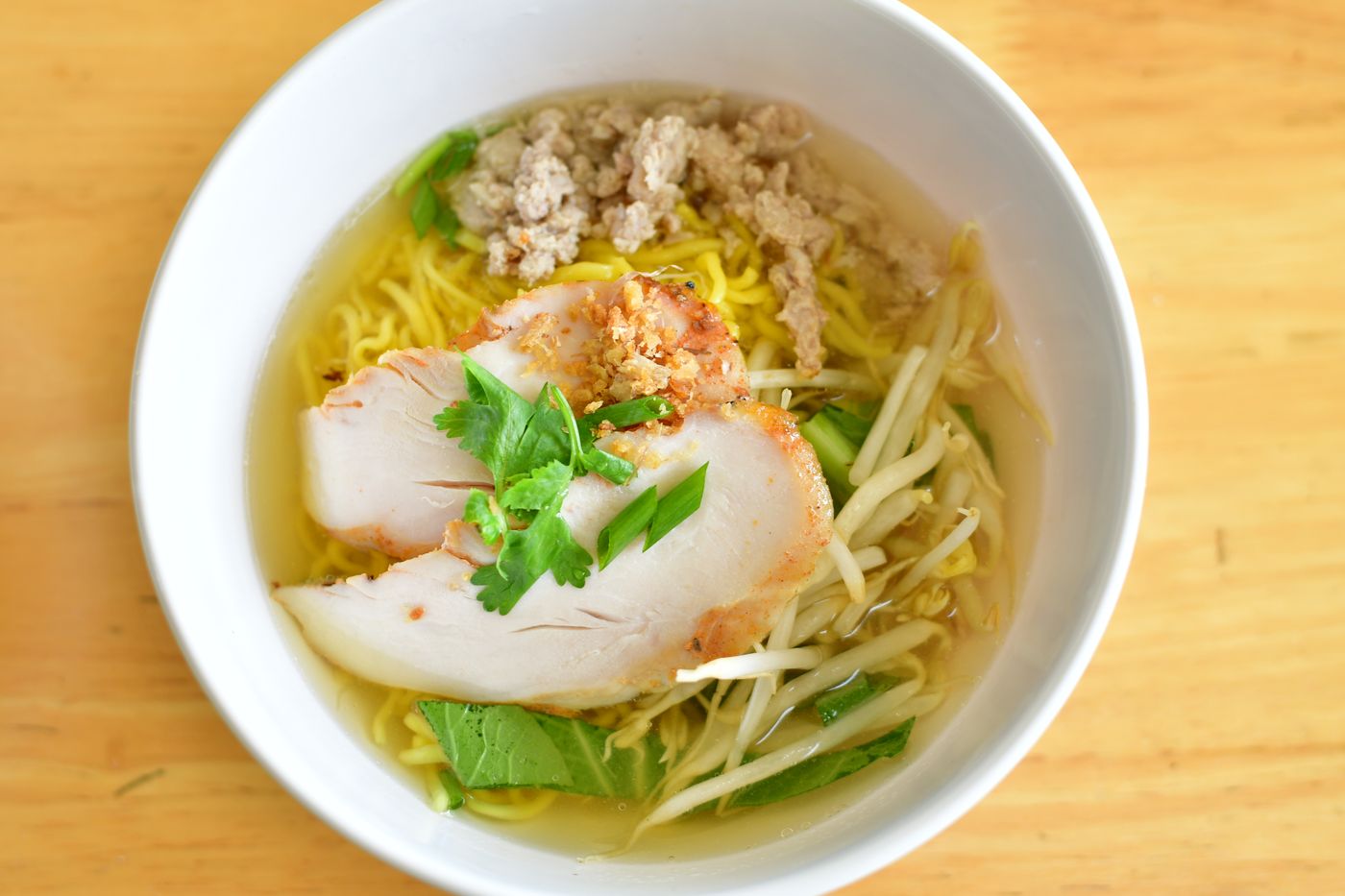
Why Chicken Noodle Soup Is a Problem for Cats
Onion is in nearly every chicken soup. Homemade soup simmers chopped onion in the pot for hours, which pulls its compounds into the broth. Canned soups, boxed broth, bouillon cubes and dry soup packets usually list onion powder, dehydrated onion or garlic powder. The Merck Veterinary Manual says concentrated forms such as powders and dry onion soup mixes are the most common cause of onion poisoning in cats and dogs. Straining out the onion pieces does not remove what has already cooked into the liquid.
Salt is the second issue. Soup is seasoned for people, and the ASPCA warns that too much salt can lead to thirst, extra urination, vomiting, diarrhea, tremors and seizures. Low sodium soups cut some of the salt but still contain onion.
The noodles are egg pasta made from wheat flour. They add starch, and Cornell's Feline Health Center describes cats as obligate carnivores that rely on nutrients found in animal products. A USDA table lists one cup of a canned chunky chicken noodle soup at 114 calories. WSAVA puts a 10-pound cat's daily treat allowance at about 22 to 25 calories, so a few spoonfuls take it all.
Creamy chicken soups add milk or cream. The ASPCA says pets lack much lactase, so dairy can cause diarrhea.
Signs to Watch For
The Merck Veterinary Manual says signs of onion poisoning usually appear several days after the meal. They include lethargy, weakness, a poor appetite, fast breathing, a fast heart rate, pale or yellow gums and reddish brown urine. A salty soup can cause vomiting, diarrhea and heavy drinking within hours. Any of these signs, or a cat that hides and refuses food, is a reason to call your vet.
What to Do If Your Cat Ate Chicken Noodle Soup
If your cat drank more than a lick, call your veterinarian or the ASPCA Animal Poison Control Center at (888) 426-4435 right away. Do not try to make your cat vomit unless a vet tells you to. Bring the can or soup packet, or tell the vet what went into the pot.
If your cat is sick and not eating, or has kidney or heart disease, ask your veterinarian what to feed rather than reaching for soup.
Common Questions
Can cats eat chicken broth?
Store-bought chicken broth and bouillon are not a good choice, because most contain onion, garlic and a lot of salt. The Merck Veterinary Manual says cats are the species most sensitive to onion and garlic. If you want to tempt your cat, boil a piece of plain chicken in unsalted water with nothing else added, and offer a spoonful of that water once it cools.
Is chicken noodle soup good for a sick cat?
No. Chicken noodle soup contains onion, salt and often garlic, so it can add new problems to a cat that already feels unwell. A cat that is not eating needs a veterinarian's help, because cats can get sick when they skip meals. Your vet can recommend a food made for cats recovering from illness, and may suggest ways to tempt your cat's appetite.
Can cats eat low-sodium chicken soup?
No. Low sodium soup has less salt but still contains onion and often garlic, cooked right into the broth. The Merck Veterinary Manual says onion poisoning has been reported in cats after less than a teaspoon of cooked onion. Read the label of any broth or soup, and keep it away from your cat if onion or garlic appears anywhere on the list.
Can cats eat the chicken from chicken noodle soup?
It is better not to. Chicken that has simmered in soup has soaked up the broth's onion, garlic and salt, so rinsing it does not make it plain. If you want to share chicken, cook a separate piece of skinless breast with no seasoning. WSAVA lists cooked chicken breast at about 47 calories an ounce, so a small piece fits a cat's treat allowance.
What happens if my cat drinks soup?
A lick of soup is unlikely to cause trouble, but a bowlful can. Salt can bring on vomiting, diarrhea and heavy thirst, according to the ASPCA. The onion and garlic in the broth damage red blood cells more slowly, and signs such as weakness and pale gums may take several days. Call your veterinarian if your cat drank more than a little.