Can Cats Eat Chicken Skin?
By Pettings · Sources checked Nov 2, 2026
No. Keep chicken skin away from cats. Skin is mostly fat, and by the time it reaches the table it is usually salted, buttered or coated in spices. Tufts Petfoodology lists high fat foods among the holiday foods pets should avoid and notes they can cause vomiting or diarrhea in pets with sensitive stomachs. The cooked meat underneath, with the skin removed, is the part worth sharing.
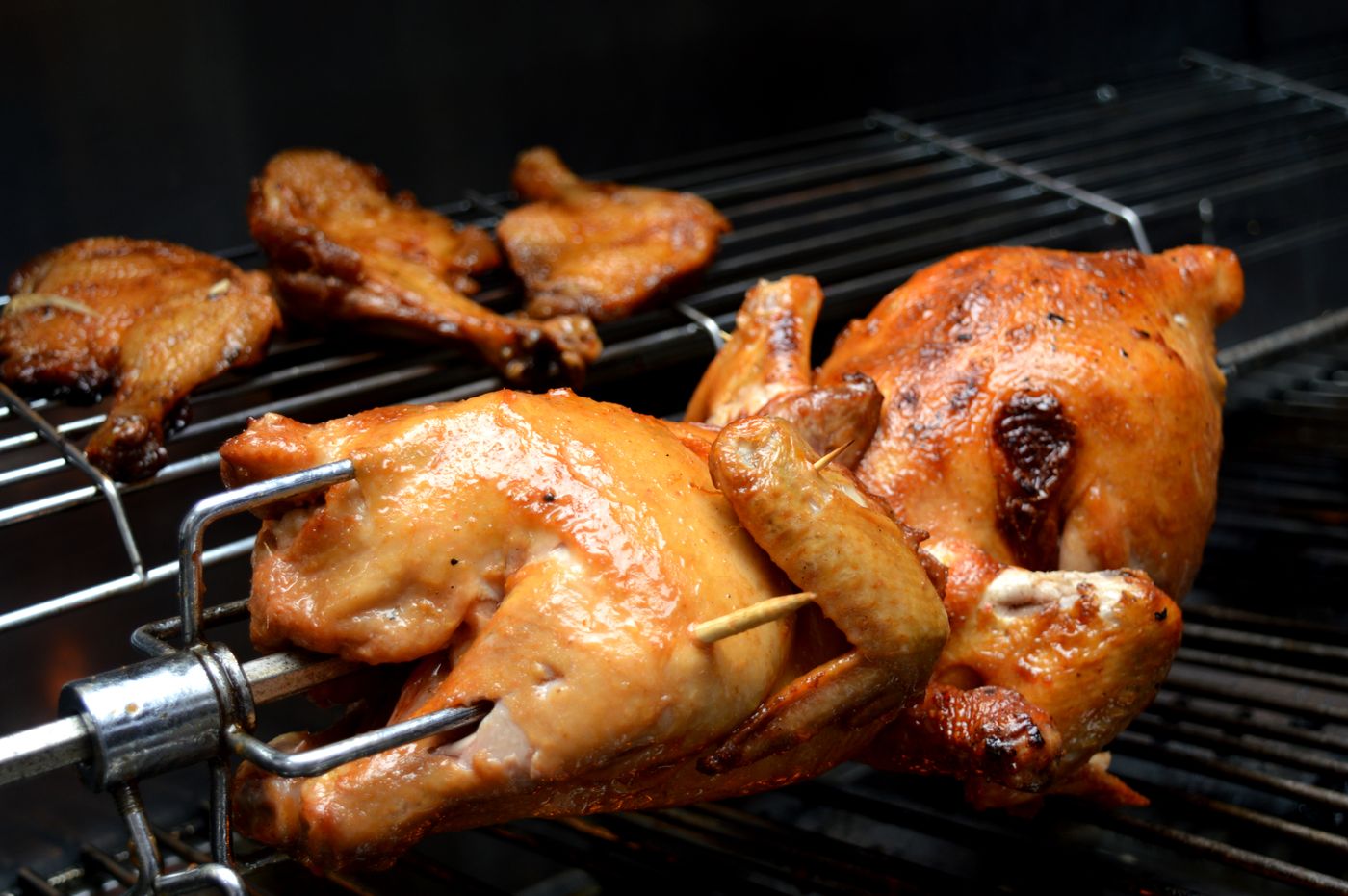
Why Chicken Skin Is a Problem for Cats
The first problem is calories. WSAVA puts the treat allowance for a 9 to 11 pound adult cat at about 22 to 25 calories a day, and a single piece of fatty skin can use up much of that budget. The second is the fat itself. Rich, greasy foods are a common cause of stomach upset, and the Merck Veterinary Manual says cats with pancreatitis may need a lower fat diet and low fat treats. A cat with that history should not have skin at all. The third concern is seasoning. Roast and rotisserie chicken skin often carries onion powder or garlic powder, and Merck reports that concentrated forms of these plants cause most onion and garlic poisonings in cats and dogs. The ASPCA also warns that salty foods can lead to vomiting, diarrhea and tremors. Turkey skin, duck skin and the fat trimmed off steaks, chops and roasts raise the same issues.
Signs to Watch For
After a cat eats a fatty scrap, Tufts notes that vomiting or diarrhea can follow. Merck lists lethargy, loss of appetite, vomiting, dehydration and abdominal pain among signs of pancreatitis in cats, though it adds that some cats show no signs. If the skin was seasoned with onion or garlic, Merck describes weakness, pale gums, fast breathing and collapse. These often appear several days later, once red blood cells are damaged.
What to Do If Your Cat Ate Chicken Skin
A small plain piece usually passes without trouble, but keep an eye on your cat for a day or two. If your cat ate a large amount, skin with onion or garlic seasoning, or skin still attached to bones, call your veterinarian or the ASPCA Animal Poison Control Center at (888) 426-4435 right away. Do not try to make your cat vomit unless a veterinarian tells you to. Bring the package or a description of how the chicken was seasoned.
If your cat has a medical condition or eats a special diet, ask your veterinarian which treats fit.
Common Questions
Can cats eat turkey skin?
Cats should not eat turkey skin. Like chicken skin, it is mostly fat and is often brushed with butter, salt and seasonings that may include onion or garlic. Tufts Petfoodology lists high fat foods among holiday foods to keep from pets because they can cause vomiting or diarrhea. Give a small piece of plain skinless turkey meat instead.
Can cats eat boiled chicken skin?
Boiled chicken skin is still mostly fat, so it is best kept from cats even without seasoning. Fatty foods can upset the stomach, and the Merck Veterinary Manual says cats recovering from pancreatitis may be switched to low fat treats. Boiling removes some fat into the water but not enough to change the picture. Share the plain meat instead.
Can cats eat fat trimmings from meat?
Cats should not be fed fat trimmings from steaks, chops or roasts. Trimmings are dense in calories, so a small piece can use up the whole daily treat allowance WSAVA describes for a 10-pound cat. Tufts Petfoodology notes that high fat foods can bring on vomiting or diarrhea. Throw trimmings away where your cat cannot reach them.
What happens if my cat ate chicken skin?
Most cats that eat a small piece of plain chicken skin have no problem, though some vomit or get diarrhea. Watch your cat for a day or two. Call your veterinarian if vomiting continues, your cat stops eating or seems painful, or if the skin was seasoned with onion or garlic, which the Merck Veterinary Manual says can damage red blood cells in cats.
Why does my cat love chicken skin?
Cats are drawn to the smell of fat and roasted meat, and chicken skin is full of both. The Cornell Feline Health Center notes that cats evolved eating prey high in protein with moderate fat, so rich animal foods appeal to them. That appeal does not make skin a sound treat. Offer a small piece of plain cooked chicken meat to satisfy the craving.