Can Cats Eat Chips?
By Pettings · Sources checked Nov 2, 2026
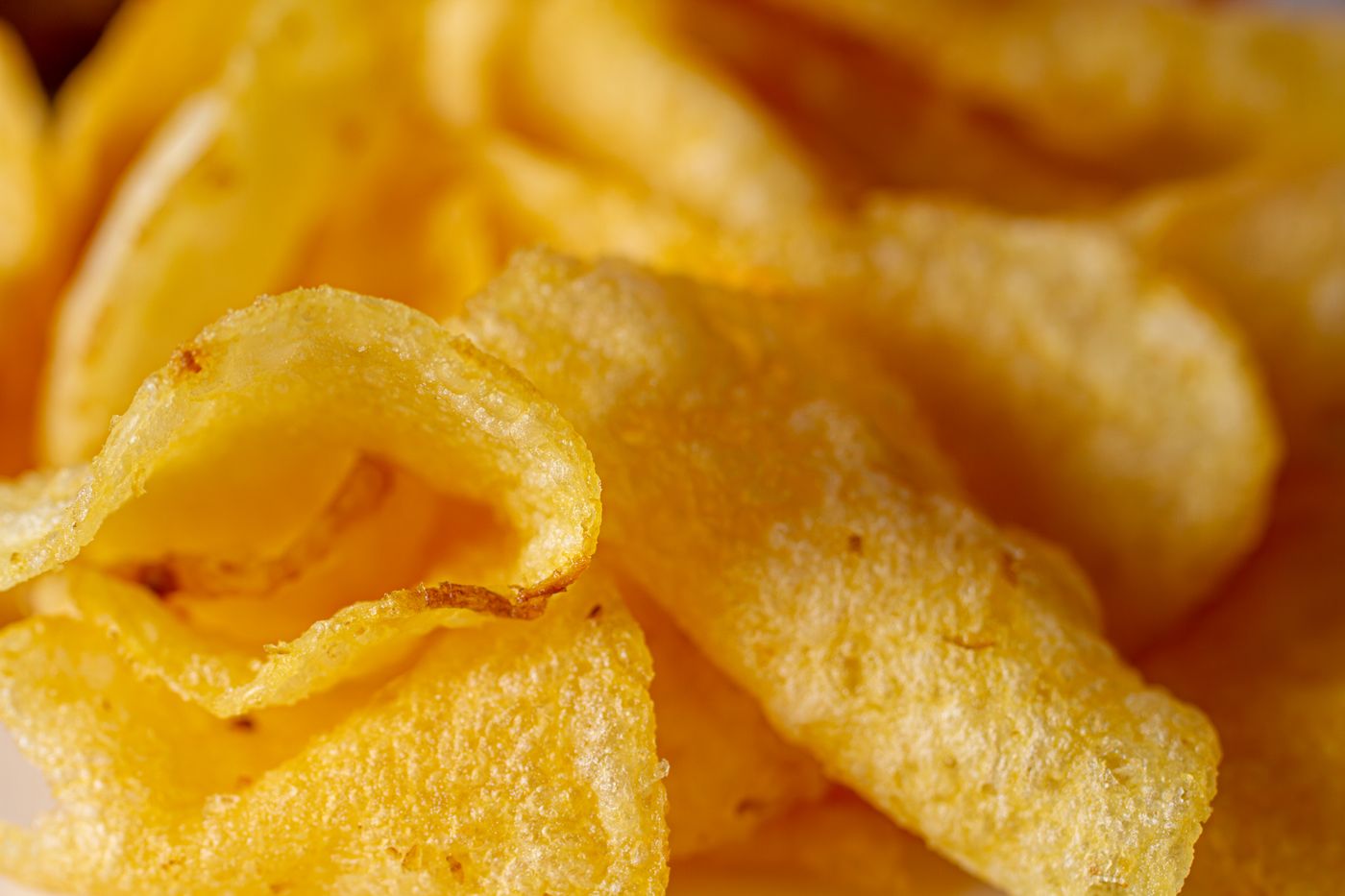
No. Keep chips away from cats. A chip is a thin slice of potato or corn that has been fried in oil and salted, and flavored chips add a seasoning dust that very often contains onion powder and garlic powder. The ASPCA warns that salty foods and the allium family, which includes onion and garlic, can both make pets sick.
Why Chips Are a Problem for Cats
Salt is the first issue. The ASPCA says too much salt can cause increased thirst and urination, and that salt poisoning can bring vomiting, diarrhea, depression, tremors and seizures. A cat weighs far less than a person, so a handful of salty crumbs counts for more in its body. The Merck Veterinary Manual adds that animals handle salt better when they have fresh water available at all times.
Fat is the second. Chips are fried, and the ASPCA notes that the oils and fats in nuts can cause vomiting, diarrhea and potentially pancreatitis in some pets. The Cornell Feline Health Center lists excessive dietary fat among the factors associated with pancreatitis in cats.
Flavored chips carry the hidden ingredient. Sour cream and onion, barbecue, ranch, cheese and many tortilla chip flavors list onion powder or garlic powder on the label. The Merck Veterinary Manual says cats are the species most susceptible to onion and garlic, and that dried powders and soup mixes are the concentrated forms most often linked to poisoning. Cheese-dusted chips also add dairy, and WSAVA notes that many cats are lactose intolerant.
Plain tortilla chips skip some of this, but they are still fried and salted. A cat is an obligate carnivore and gets nothing from a corn or potato snack.
Signs to Watch For
After salty chips, the ASPCA describes thirst, frequent urination, vomiting and diarrhea, and in serious cases tremors or seizures. Onion and garlic act more slowly. Merck says the red blood cell damage usually shows a few days later, with tiredness, poor appetite, fast breathing, weakness, yellow gums and dark urine. Signs of pancreatitis listed by Cornell include lethargy, loss of appetite and dehydration.
What to Do If Your Cat Ate Chips
One plain chip is unlikely to cause trouble, so put out fresh water and watch your cat. If it ate a lot of chips, or any flavored chips with onion or garlic powder, call your veterinarian or the ASPCA Animal Poison Control Center at (888) 426-4435 right away. Do not try to make your cat vomit unless a vet tells you to. Bring the bag so the vet can read the seasoning list.
If your cat has kidney disease, heart disease or any other medical condition, ask your veterinarian before it eats anything outside its regular diet.
Common Questions
What happens if my cat eats a potato chip?
Usually nothing serious after one plain salted chip, though your cat may drink more water than usual. Watch for vomiting or diarrhea over the next day. Flavored chips are a bigger concern because the seasoning often contains onion or garlic powder, and Merck says cats are the most sensitive species to these. Call your vet if your cat ate several flavored chips.
Can cats eat tortilla chips?
No. Tortilla chips are fried corn with salt, and many flavors are coated in cheese, onion powder or garlic powder. The ASPCA warns that salty foods can cause vomiting, diarrhea and, in larger amounts, tremors or seizures in pets. A cat has no use for the corn. Keep the bowl out of reach, and do not offer salsa or dip either.
Why does my cat like chips?
Your cat is most likely drawn to the smell of fat and salt, and to the crinkle of the bag. Cats are hunters built for a diet high in protein with a moderate amount of fat, according to the Cornell Feline Health Center, so oily food smells interesting to them. That interest does not mean chips meet any of a cat's needs.
Can cats eat sour cream and onion chips?
No. Sour cream and onion chips are seasoned with onion powder, often with garlic powder and dried dairy as well. The Merck Veterinary Manual says cats are the species most susceptible to onion poisoning, and that powders are the form most often linked to cases. If your cat ate some, call your veterinarian or the ASPCA Animal Poison Control Center at (888) 426-4435.
Are baked chips or veggie chips better for cats?
No. Baked chips have less oil, but they are still salted and flavored, and veggie chips are usually potato or corn starch with vegetable powder and seasoning. A cat is an obligate carnivore, and the Cornell Feline Health Center says it relies on nutrients found only in animal products. If you want a treat, a bite of plain cooked chicken fits a cat better.