Can Cats Eat Chocolate?
By Pettings · Sources checked Nov 2, 2026
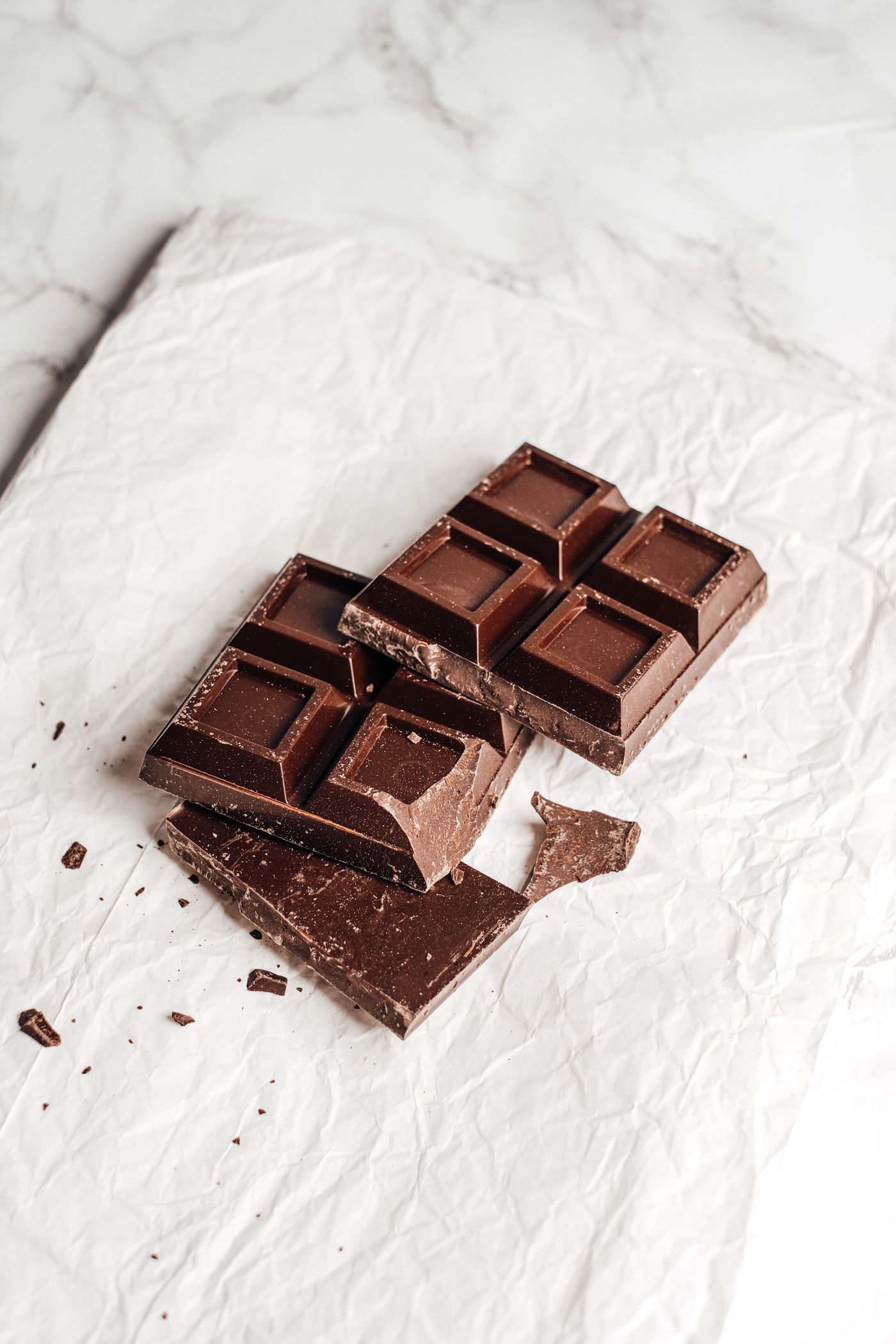
No. Keep chocolate away from cats. Chocolate contains theobromine and caffeine, known together as methylxanthines, and the ASPCA lists chocolate among the foods to keep away from pets. The darker and more bitter the chocolate, the more of these compounds it holds.
Why Chocolate Is a Problem for Cats
Methylxanthines overstimulate the nervous system and the heart. The Merck Veterinary Manual says many species are susceptible, though dogs are the ones most often treated because they eat chocolate more readily. Cats are smaller, and many cats will lick melted chocolate, frosting or a mug of cocoa even though they likely cannot taste sweetness.
Merck gives these approximate amounts of methylxanthines per ounce: white chocolate about 1.1 milligrams, milk chocolate about 64 milligrams, semisweet and sweet dark chocolate about 150 to 160 milligrams, and unsweetened baker's chocolate about 440 milligrams. Merck lists no toxic dose for cats. For dogs, it reports mild signs at about 20 milligrams per kilogram of body weight and heart effects at 40 to 50. A 10-pound cat weighs about 4.5 kilograms, which shows how little dark or baking chocolate it would take to reach those dog figures.
White chocolate has very little theobromine, but it is still fat, sugar and milk. Milk chocolate sits in the middle. Dark chocolate and baking chocolate are the most concentrated.
Hot chocolate brings chocolate plus milk, and the ASPCA notes that pets lack much of the enzyme that digests milk sugar. Chocolate candies may also contain nuts, raisins or xylitol, which the ASPCA lists separately. In its figures for 2020, ASPCA Poison Control reported almost 76 chocolate cases a day across all pets.
Signs to Watch For
The Merck Veterinary Manual says signs usually start 6 to 12 hours after eating. Early signs include thirst, vomiting, diarrhea, a bloated belly and restlessness. These can progress to hyperactivity, increased urination, wobbliness, stiffness, tremors and seizures, along with a fast or irregular heartbeat, high body temperature and high blood pressure. Severe cases can last up to 72 hours.
What to Do If Your Cat Ate Chocolate
Call your veterinarian or the ASPCA Animal Poison Control Center at (888) 426-4435 right away, even if your cat seems fine. Do not try to make your cat vomit unless a veterinarian tells you to; Merck notes that the drugs used to make cats vomit are different from those used in dogs. Bring the wrapper so the vet can see the chocolate type and weight.
If your cat has a medical condition or eats a special diet, ask your veterinarian about any food it gets into.
Common Questions
How much chocolate is toxic to a cat?
There is no published toxic amount for cats. The Merck Veterinary Manual gives dog figures only, with mild signs at about 20 milligrams of methylxanthines per kilogram of body weight. Dark and baking chocolate hold far more per ounce than milk chocolate. Because a cat is small, call your veterinarian about any chocolate beyond a lick.
Can cats eat white chocolate?
Keep white chocolate away from cats too, though it is the least concerning type for theobromine. The Merck Veterinary Manual lists white chocolate at only about 1.1 milligrams of methylxanthines per ounce. It is still mostly fat, sugar and milk, which can cause vomiting and diarrhea. Call your veterinarian if your cat ate a lot.
Can cats drink hot chocolate?
No. Hot chocolate brings cocoa or chocolate plus milk and sugar. The theobromine and caffeine are the main concern, and the ASPCA notes pets lack much of the enzyme to digest milk sugar, so diarrhea is common. Some mixes are sugar-free and contain xylitol. Call your veterinarian if your cat drank some.
How long after eating chocolate will a cat show symptoms?
Signs usually begin 6 to 12 hours after eating, according to the Merck Veterinary Manual. Early signs include thirst, vomiting, diarrhea and restlessness, and severe cases can last up to 72 hours. Do not wait for signs before calling. Your veterinarian may be able to act sooner if you call right after it happens.
Why do cats like chocolate if they cannot taste sweet?
Cats are probably drawn to the fat and milk in chocolate rather than the sugar. A 2005 study in PLoS Genetics found that a gene needed for the sweet taste receptor is not expressed in domestic cats. Frosting, milk chocolate and cream smell rich, which appeals to many cats. That interest is why chocolate should stay out of reach.
Sources
- Merck Veterinary Manual: Chocolate toxicosis in animals
- Merck Veterinary Manual: Food hazards
- ASPCA: People foods avoid feeding your pets
- ASPCA: Aspca releases annual list top pet toxins plant and baking related calls
- PLOS ONE: Article
