Can Cats Eat Cocoa?
By Pettings · Sources checked Nov 2, 2026
No. Keep cocoa away from cats, including cocoa powder, hot cocoa mixes and cocoa bean mulch. Cocoa contains theobromine and caffeine, and the ASPCA notes that cocoa powder and baking chocolate carry the highest amounts of these compounds among chocolate products.
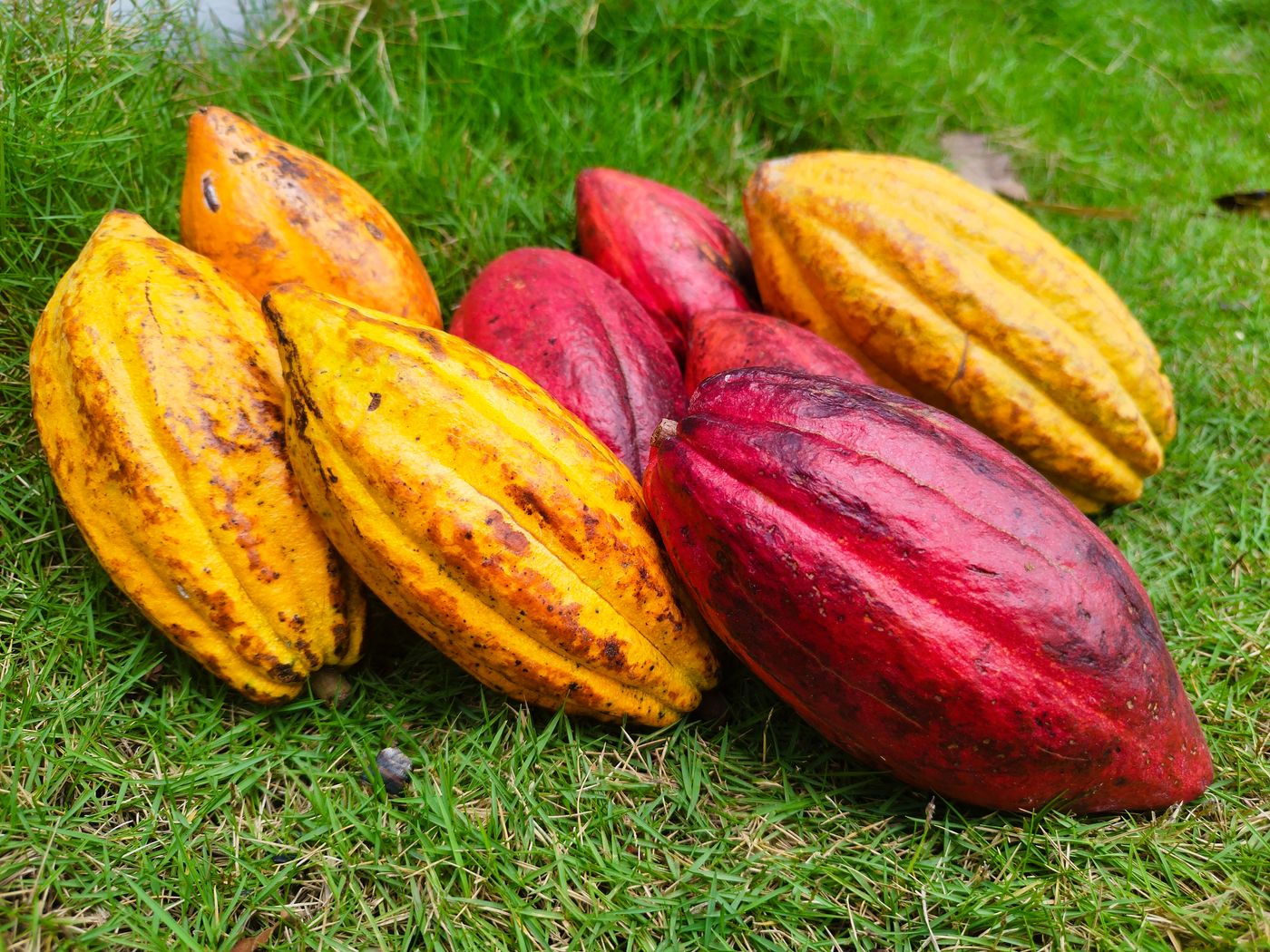
Why Cocoa Is a Problem for Cats
Theobromine and caffeine, called methylxanthines, overstimulate the heart and nervous system. The Merck Veterinary Manual lists cocoa powder at about 807 milligrams of methylxanthines per ounce. That is roughly 13 times the amount in milk chocolate and about twice the amount in unsweetened baking chocolate. Merck lists no toxic dose for cats. For dogs, it reports mild signs at about 20 milligrams per kilogram of body weight. A 10-pound cat weighs about 4.5 kilograms, so by the dog figures a small spoonful of cocoa powder is already a concern.
Cocoa powder is easy for a cat to get into. Spills on the counter, a tipped canister, brownie batter and dusted desserts all count. Hot cocoa mixes add milk powder and sugar, and the ASPCA notes that pets lack much of the enzyme that digests milk sugar. Some sugar-free mixes contain sweeteners such as xylitol, which the ASPCA lists separately. Cocoa butter, found in some lotions and lip balms, is the fat pressed from cocoa beans, and products that contain it may add other ingredients.
Cocoa bean mulch is a garden product made from the shells of cocoa beans. The Merck Veterinary Manual gives cocoa bean hulls about 255 milligrams of methylxanthines per ounce. Some mulches have the methylxanthines removed during processing, but the bag may not say so clearly. Merck notes that mulch containing cocoa bean hulls has caused deaths in pets. It smells like chocolate, which can attract curious animals to outdoor beds.
Signs to Watch For
According to the Merck Veterinary Manual, signs usually begin 6 to 12 hours after eating. Early signs include thirst, vomiting, diarrhea, a swollen belly and restlessness. These may progress to hyperactivity, frequent urination, wobbliness, tremors and seizures, with a fast or irregular heartbeat and high body temperature. Severe cases can last up to 72 hours.
What to Do If Your Cat Ate Cocoa
Call your veterinarian or the ASPCA Animal Poison Control Center at (888) 426-4435 right away, even if your cat seems normal. Do not try to make your cat vomit unless a veterinarian tells you to. Bring the canister, mix packet or mulch bag so the vet can see the product type. Estimate how much is missing and when your cat had access.
If your cat has a medical condition or eats a special diet, ask your veterinarian about any food or garden product it reaches.
Common Questions
Is cocoa powder worse than chocolate for cats?
Yes. The Merck Veterinary Manual lists cocoa powder at about 807 milligrams of theobromine and caffeine per ounce. That is roughly twice the amount in unsweetened baking chocolate and about 13 times the amount in milk chocolate. A small spill of cocoa powder can matter for a 10-pound cat, so call your veterinarian right away.
Is cocoa mulch bad for cats?
Yes, keep cats away from cocoa bean mulch. The Merck Veterinary Manual lists cocoa bean hulls at about 255 milligrams of methylxanthines per ounce and notes that mulch containing them has caused deaths in pets. Some mulches are processed to remove these compounds, but labels may not say so. Choose a different mulch if your cat goes outdoors.
Can cats have cocoa butter?
Do not feed cocoa butter. It is the fat pressed from cocoa beans, and products such as lotions and lip balms add other ingredients. A cat that licks a little lotion is unlikely to need treatment, but call your veterinarian or the ASPCA Animal Poison Control Center if it ate a lot or the product contains essential oils.
Can cats eat brownies?
No. Brownies are made with cocoa powder or baking chocolate, the two most concentrated forms, according to the Merck Veterinary Manual. They also contain butter, sugar and sometimes nuts. Raw brownie batter is even more concentrated. If your cat ate brownie, call your veterinarian or the ASPCA Animal Poison Control Center at (888) 426-4435 right away.
What are the signs of cocoa poisoning in cats?
The Merck Veterinary Manual lists thirst, vomiting, diarrhea, a swollen belly and restlessness first, often 6 to 12 hours after eating. These can progress to hyperactivity, frequent urination, tremors and seizures with a racing or irregular heartbeat and high body temperature. Call your veterinarian as soon as you know your cat ate cocoa, without waiting for signs.