Can Cats Eat Coconut?
By Pettings · Sources checked Nov 2, 2026
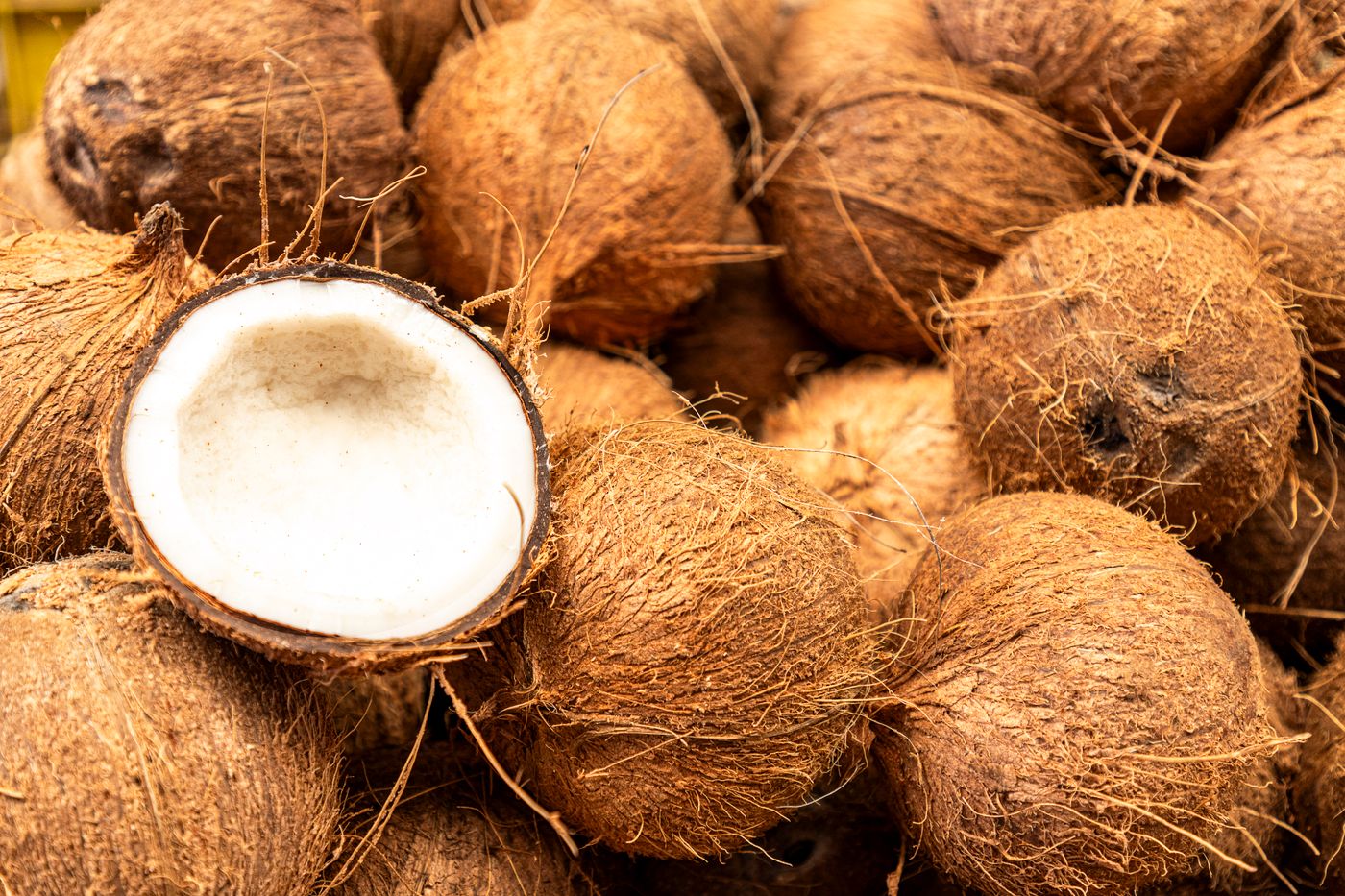
Coconut is an occasional treat at most, and only as a tiny amount of plain, unsweetened coconut meat. The ASPCA says small amounts of coconut and coconut-based products are not likely to cause serious harm to pets, but that the flesh and milk of fresh coconuts contain oils that may cause stomach upset, loose stools and diarrhea.
What Coconut Offers a Cat
Coconut meat is rich in fat, with fiber and some sugar. The Cornell Feline Health Center describes cats as obligate carnivores that rely on nutrients found only in animal products, and a complete cat food already supplies the fat a cat needs. Coconut does not add any nutrient a cat is missing. Its main effect in a small cat is extra fat and calories.
How Much Coconut Can a Cat Have?
For a 10-pound adult cat with no food allergy and no medical condition, about 1/4 teaspoon of grated plain coconut meat is enough. That is a few calories, but coconut is dense, so even a small spoonful adds up quickly. WSAVA advises keeping treats under 10% of a cat's daily calories, which works out to about 22 to 25 treat calories a day for an adult cat of roughly 9 to 11 pounds. Keep the piece tiny, and let it replace part of the day's food rather than add to it.
Coconut oil is pure fat, so do not add it to your cat's bowl. The ASPCA notes that the oils and fats in nuts can cause vomiting, diarrhea and possibly pancreatitis in some pets, and coconut oil is just as high in fat. Kittens, seniors and cats with diabetes, kidney disease, urinary stones, pancreatitis or food allergies should not get coconut in any form unless your veterinarian advises it. Cats with a history of pancreatitis need a vet's guidance on any fatty food.
How to Serve It
Use fresh or plain dried coconut meat with no added sugar, and grate or chop it finely. Do not give the hard shell or the fibrous husk, which a cat cannot digest.
Skip sweetened shredded coconut, coconut candy, macaroons and coconut cream pie. These bring sugar and often dairy or chocolate, which the ASPCA lists among foods to avoid. Coconut milk and coconut cream are concentrated sources of the same oils the ASPCA mentions, so leave them out too. Coconut water is not needed either, since fresh water is the only drink a cat requires.
Offer the first taste on its own and watch for loose stool or vomiting over the next day.
If your cat has a medical condition or eats a special diet, ask your veterinarian before offering coconut.
Common Questions
Can cats eat coconut oil?
It is best not to add coconut oil to a cat's food unless your veterinarian recommends it. The ASPCA says coconut oils may cause stomach upset, loose stools and diarrhea, and in its entry on nuts it notes that fats can potentially cause pancreatitis in some pets. A lick from a spoon is unlikely to cause more than a mild stomach upset, but a habit of extra oil adds fat and calories a cat does not need.
Can cats drink coconut milk?
No, coconut milk is not a good drink for cats. It is rich in the coconut oils that the ASPCA says may cause stomach upset, loose stools and diarrhea. Canned coconut milk is also very high in fat. If your cat licked a little, watch for loose stool. Fresh water is the only drink your cat needs.
Can cats drink coconut water?
Coconut water is not needed and is best skipped. It contains natural sugar and minerals, and many bottled versions add sugar or flavors. A cat that is not drinking enough water or seems dehydrated needs a veterinary exam, not a sports-style drink. Offer fresh water at all times, and talk to your vet if you are worried about your cat's water intake.
Can cats eat shredded coconut?
A pinch of plain, unsweetened shredded coconut is unlikely to cause problems for an adult cat with no health issues. Sweetened flaked coconut used in baking is coated in sugar and is not a good choice. Keep the portion to about 1/4 teaspoon, and remember that the ASPCA says coconut oils can cause stomach upset and loose stools.
Is coconut good for cats with hairballs?
There is no good evidence that coconut helps with hairballs in cats, and the ASPCA notes that coconut oils can cause stomach upset and diarrhea. Frequent hairballs or vomiting can be a sign of another health problem, so talk to your veterinarian. Your vet can suggest options such as regular brushing or a diet designed for hairball control.