Can Cats Eat Cod?
By Pettings · Sources checked Nov 2, 2026
Cats can eat small amounts of plain cooked cod. It is a mild, lean white fish that flakes easily, which makes it simple to portion and to check for bones. Cod works as an occasional treat for a cat that already eats a complete diet. Breaded, battered and salted versions are a different story and are covered below.
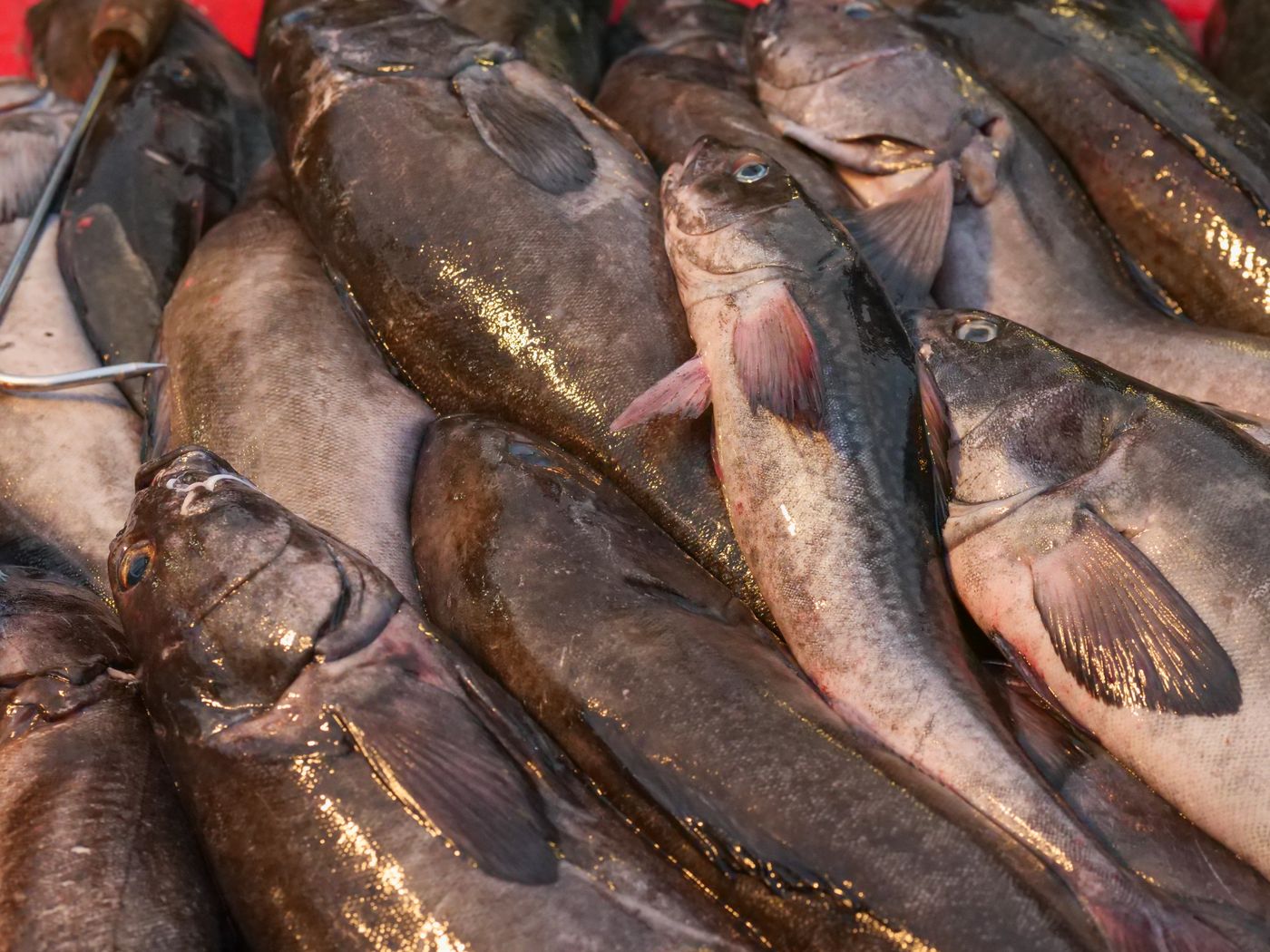
What Cod Offers a Cat
Cod is lean animal protein with very little fat. That is a plus compared with oily fish, since Cornell Feline Health Center lists excessive dietary fat among the factors associated with pancreatitis in cats. Cod does not supply anything a complete cat food lacks, so there is no reason to feed it for nutrition. FDA advice for people puts cod among the lowest-mercury fish. One caution: the Merck Veterinary Manual lists fish among the foods cats are most often allergic to, and it notes that itching directed at the head and neck is fairly common in cats with food allergies.
How Much Cod Can a Cat Have?
USDA lists canned Atlantic cod at 89 calories per 3 ounces, about 30 calories per ounce. WSAVA advises keeping treats under 10% of daily calories, which is roughly 22 to 25 treat calories a day for a 10-pound adult cat. So about 1/2 ounce (14 grams) of cooked cod, around 15 calories, fits that budget. It replaces part of the day's food rather than adding to it. Kittens, seniors and cats with diabetes, kidney disease, urinary stones, pancreatitis or food allergies should only get cod if the veterinarian approves.
How to Serve It
Bake, steam or poach a plain piece of cod until it flakes, with no butter, oil, lemon, salt or seasoning. Let it cool, flake it with your fingers, and pull out every bone you feel. Merck says bones are the most common objects stuck in a cat's esophagus. Do not offer raw cod; Merck lists raw fish diets as a cause of thiamine deficiency in cats. Salt cod, also sold as bacalao, is preserved in salt, and the ASPCA warns that too much salt can cause vomiting, diarrhea, tremors and seizures. Fried and battered cod, including fish and chips, brings frying fat and seasoning along, so keep it for people. Cod liver oil is a concentrated supplement and should only be given if a vet prescribes it.
If your cat has a medical condition or eats a special diet, check with your veterinarian before offering cod.
Common Questions
Can cats eat raw cod?
Raw cod is not recommended for cats. The Merck Veterinary Manual lists raw fish diets, which contain the enzyme thiaminase, as a cause of thiamine deficiency in cats, and notes that cooking destroys thiaminase. Raw fish can also carry bacteria. Bake or poach cod plain until it flakes, then offer a small boneless piece.
Can cats eat salt cod?
No, salt cod is not suitable for cats. It is preserved in large amounts of salt, and the ASPCA warns that excessive salt can cause increased thirst and urination, vomiting, diarrhea, tremors and seizures in pets. Soaking removes some salt but you cannot easily tell how much is left. Fresh or frozen cod cooked plain is the better choice.
Can cats eat cod liver oil?
Do not give cod liver oil to a cat unless your veterinarian recommends it. It is a concentrated source of vitamin A, and the Merck Veterinary Manual notes that cats are more sensitive than dogs to excess vitamin A in the diet. A complete cat food already contains the vitamin A a cat needs.
Is cod good for cats with sensitive stomachs?
Cod is lean and mild, but it is not a remedy for a sensitive stomach, and fish is one of the foods cats are most often allergic to according to the Merck Veterinary Manual. Adding new foods can make digestive trouble harder to sort out. If your cat often vomits or has loose stools, ask your veterinarian before trying any new food.
Can kittens eat cod?
A kitten can have a small flake of plain cooked cod with every bone removed, ideally after checking with your veterinarian. Kittens need a complete growth diet, and WSAVA advises keeping treats under 10% of daily calories. A crumb or two is enough for a kitten. Flake the fish finely, since bones are the objects that most often get stuck in a cat's throat.
Sources
- USDA: Energy content of common foods
- WSAVA: Feeding treats to your cat
- FDA: Advice about eating fish
- Merck Veterinary Manual: Disorders of the esophagus in cats
- Merck Veterinary Manual: Allergies of cats
- ASPCA: People foods avoid feeding your pets
- Merck Veterinary Manual: Nutritional requirements of small animals
- Merck Veterinary Manual: Nutritional disorders of the spinal column and cord in animals
- Cornell Feline Health Center: Pancreatitis