Can Cats Eat Corn?
By Pettings · Sources checked Nov 2, 2026
Cats can eat small amounts of plain cooked corn. The kernels are soft starch and sugar, and a few of them are fine for most adult cats when nothing is added. Cats are obligate carnivores, though. A review in Nutrition Research Reviews links their high protein needs and their need for taurine and preformed vitamin A to a diet of animal tissue, so corn kernels are a novelty and not a source of anything a cat requires.
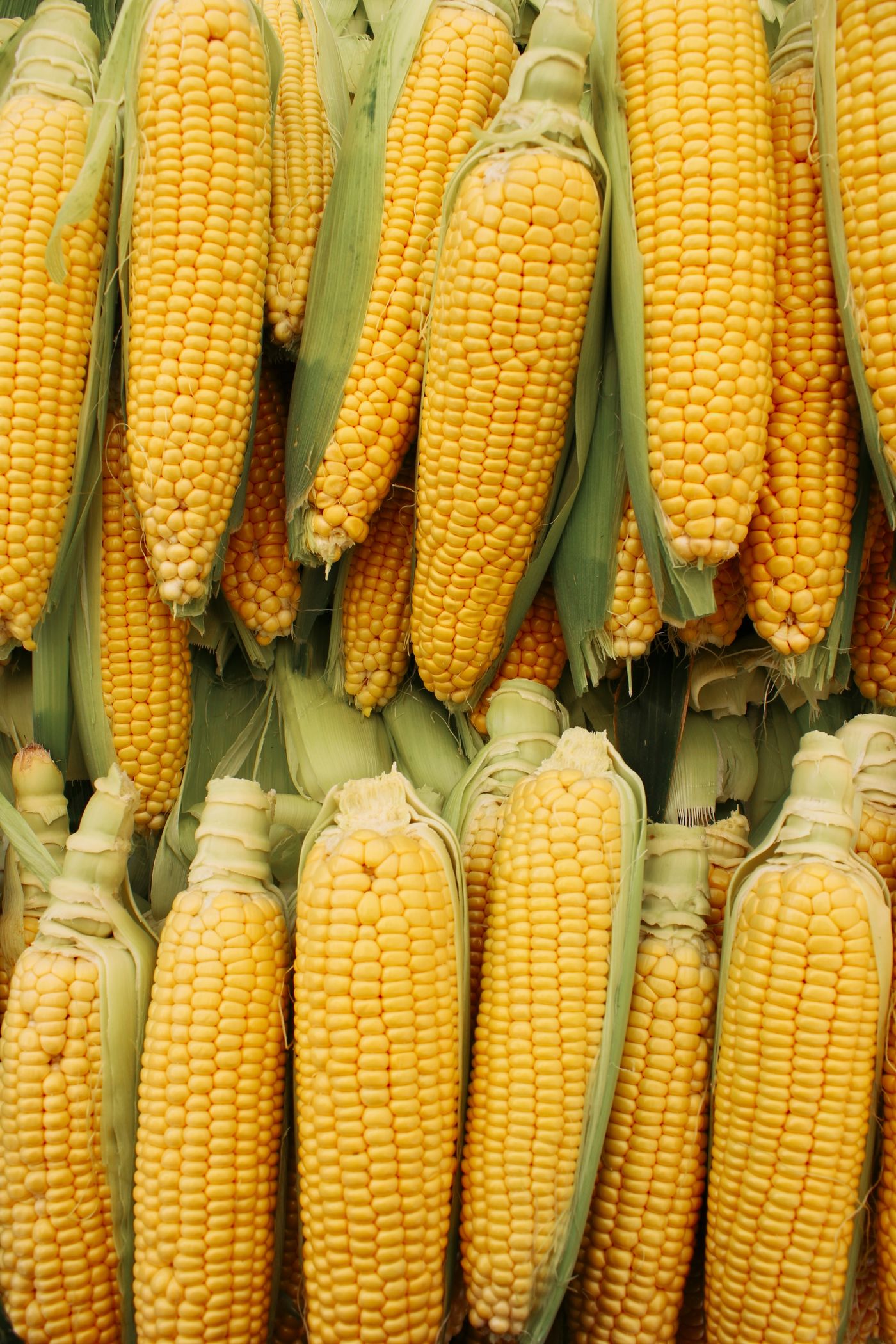
What Corn Offers a Cat
Sweet corn kernels are mostly water and carbohydrate, with some fiber and a little plant protein. The plant protein does not replace the animal protein a cat needs, and the hull of each kernel often passes through partly undigested. Some cats show interest in corn because of the smell of butter or the fun of batting a kernel across the floor. A complete cat food already provides what an adult cat needs, so corn adds calories and nothing more.
How Much Corn Can a Cat Have?
For a 10-pound adult cat with no food allergy and no medical condition, 1 teaspoon of plain cooked kernels is enough, and it adds only a few calories. WSAVA advises that treats make up less than 10 percent of daily calories, about 24 treat calories a day for a cat this size, and that treats should never replace a complete and balanced meal. Count the corn toward that allowance and cut back the regular food a little on that day. Kittens, seniors and cats with diabetes, kidney disease, urinary stones, pancreatitis or food allergies should check with the vet first.
How to Serve It
Use plain fresh, frozen or canned corn with no salt added. Cook it until soft, let it cool and offer a few loose kernels. Leave out butter, salt, cheese, chili seasoning and creamed corn. Never give corn on the cob, and put used cobs in a closed trash can. The Merck Veterinary Manual includes a corncob blockage of the small intestine in a dog among its examples of gastrointestinal obstruction, and it lists vomiting, loss of appetite, lethargy and diarrhea as signs of a blocked gut. Popcorn is another item to keep back. It is often salted and buttered, and the ASPCA notes that too much salt can cause vomiting, diarrhea, tremors and seizures. Unpopped kernels are hard and best kept out of reach.
If your cat has a medical condition or eats a special diet, ask your veterinarian before sharing corn.
Common Questions
Can cats eat corn on the cob?
No, never let a cat chew on a corn cob. The kernels are fine in small amounts, but pieces of cob can lodge in the gut. The Merck Veterinary Manual shows a corncob blockage in a dog's small intestine as an example of gastrointestinal obstruction. If your cat swallowed part of a cob, call your veterinarian, especially if you see vomiting, loss of appetite or lethargy.
Can cats eat popcorn?
Plain, air-popped popcorn with no butter or salt is not a concern in a piece or two, but most popcorn is salted and buttered. The ASPCA warns that too much salt can cause increased thirst and urination and, in larger amounts, vomiting, diarrhea, tremors and seizures. Unpopped kernels are hard, so keep the bottom of the bowl out of reach.
Why is corn in cat food?
Corn shows up in many complete cat foods as a source of energy and other nutrients alongside animal ingredients. What matters for a cat is the whole recipe. A review in Nutrition Research Reviews describes cats as needing a high level of protein and nutrients such as taurine and preformed vitamin A, so a complete and balanced food is built to meet those needs, whatever its grain content.
Can kittens eat corn?
Kittens do not need corn, and it is better to wait. A kitten's diet should come from a complete kitten food that supports growth, and WSAVA notes that treats should never replace a complete and balanced meal. If you want to offer a kitten any human food, ask your veterinarian which ones fit and how small a portion to give.
What happens if my cat eats corn?
If your cat ate a few plain kernels, most likely nothing more than some kernels in the litter box. Trouble usually comes from what is on the corn or from the cob. Butter and salt can upset the stomach, and a swallowed piece of cob can block the gut, according to the Merck Veterinary Manual. Call your veterinarian if your cat vomits, stops eating or seems lethargic.