Can Cats Eat Crackers?
By Pettings · Sources checked Nov 2, 2026
No. Keep crackers away from cats. The ASPCA does not list plain crackers as toxic, but they are salty refined starch with nothing a cat needs, and flavored crackers often contain garlic or onion powder. The ASPCA lists excessively salty foods among the people foods to avoid feeding pets.
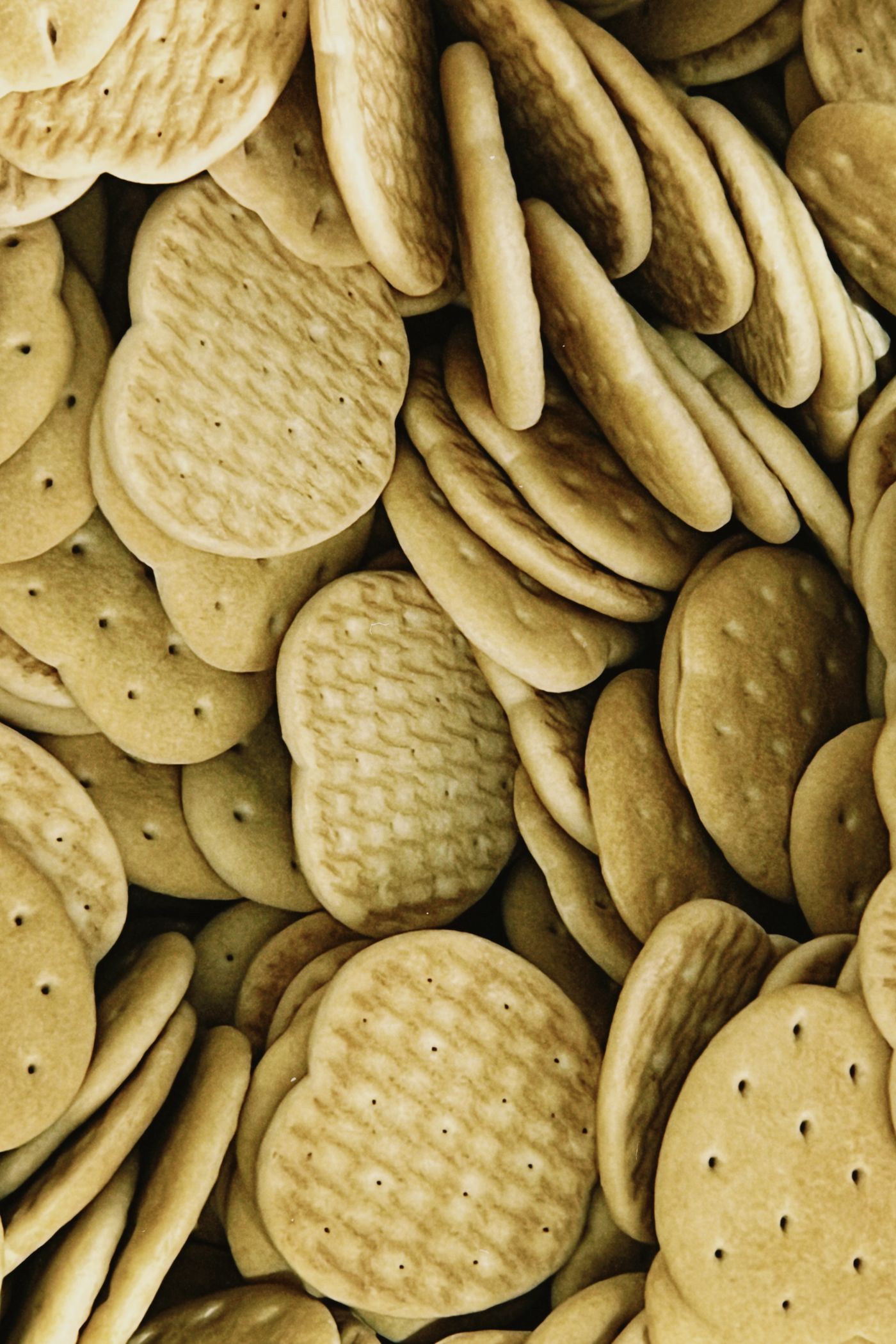
Why Crackers Are a Problem for Cats
Salt is the first issue. Crackers are salted in the dough and often again on top. The ASPCA says too much salt can cause excessive thirst and urination, and in larger amounts vomiting, diarrhea, depression, tremors, seizures and even death. A single cracker is not going to reach those levels, but crackers are easy for a cat to steal by the mouthful, and a 10-pound cat is small.
Seasoning is the second issue. Ranch, everything bagel, garlic and herb, cheddar and many "savory" crackers list garlic powder or onion powder. The Merck Veterinary Manual names cats as the species most susceptible to onion and garlic poisoning, and says powders and dried flakes are linked to many cases because they are concentrated. Cheese crackers add dairy and fat.
There is also no upside. The Cornell Feline Health Center describes cats as obligate carnivores that rely on nutrients found only in animal products, with a natural diet very low in carbohydrates. Crackers are almost all carbohydrate. WSAVA also cautions against treats with a size or shape that could cause choking, and a dry, sharp cracker fragment can be awkward for a cat to swallow.
Signs to Watch For
After a salty snack, the ASPCA says to watch for increased thirst and urination. Larger amounts can lead to vomiting, diarrhea, depression, tremors or seizures. If the crackers were seasoned with garlic or onion, Merck notes that signs of red blood cell damage usually appear several days later and include weakness, lethargy, poor appetite, pale or yellow gums, fast breathing and dark urine.
What to Do If Your Cat Ate Crackers
If your cat ate a whole sleeve, or any crackers seasoned with garlic or onion, call your veterinarian or the ASPCA Animal Poison Control Center at (888) 426-4435 right away. Do not try to make your cat vomit unless a veterinarian tells you to. Bring the box so the vet can read the ingredient list and sodium content, and estimate how many are gone. Keep fresh water available. A crumb of a plain cracker needs no more than a watchful eye.
If your cat has kidney disease, heart disease or another medical condition, or eats a special diet, ask your veterinarian about any salty food it gets into.
Common Questions
Can cats eat saltine crackers?
Saltines are not a good snack for cats. They are salted starch, and the ASPCA warns that salty foods can cause thirst, vomiting and, in larger amounts, tremors and seizures in pets. A crumb from the floor is not a concern. If your cat ate several, make sure fresh water is available and call your veterinarian if it vomits or acts unwell.
Can cats eat cheese crackers?
Cats should not eat cheese crackers. They are salty and fatty, and many cheese-flavored crackers also contain onion or garlic powder. The Merck Veterinary Manual names cats as the species most susceptible to onion and garlic, especially in powdered form. Check the ingredient list if your cat got into the box, and call your veterinarian if garlic or onion is listed.
Can crackers settle a cat's upset stomach?
No. Crackers do not settle a cat's stomach the way people sometimes use them for themselves. The salt and starch are not what a cat needs, and a new food can make vomiting or diarrhea harder to read. If your cat is vomiting or has diarrhea for more than a day, or seems weak, call your veterinarian for advice on a bland diet.
Can cats eat graham crackers?
Graham crackers are sweetened wheat crackers and offer a cat nothing it needs. The Cornell Feline Health Center describes cats as obligate carnivores with a natural diet very low in carbohydrates. Chocolate-covered graham crackers or s'mores add chocolate, which the ASPCA lists as toxic to pets. A crumb of a plain one is not a worry. Chocolate versions call for a call to the vet.
Why does my cat like crackers?
Cats that go for crackers are usually after the salt, the butter flavor or the cheese dust, or they want whatever you are eating. The interest does not mean they need it. Crackers are almost all carbohydrate, and cats are obligate carnivores according to Cornell. Give a small piece of plain cooked chicken or a cat treat if your cat begs.