Can Cats Eat Cream Cheese?
By Pettings · Sources checked Nov 2, 2026
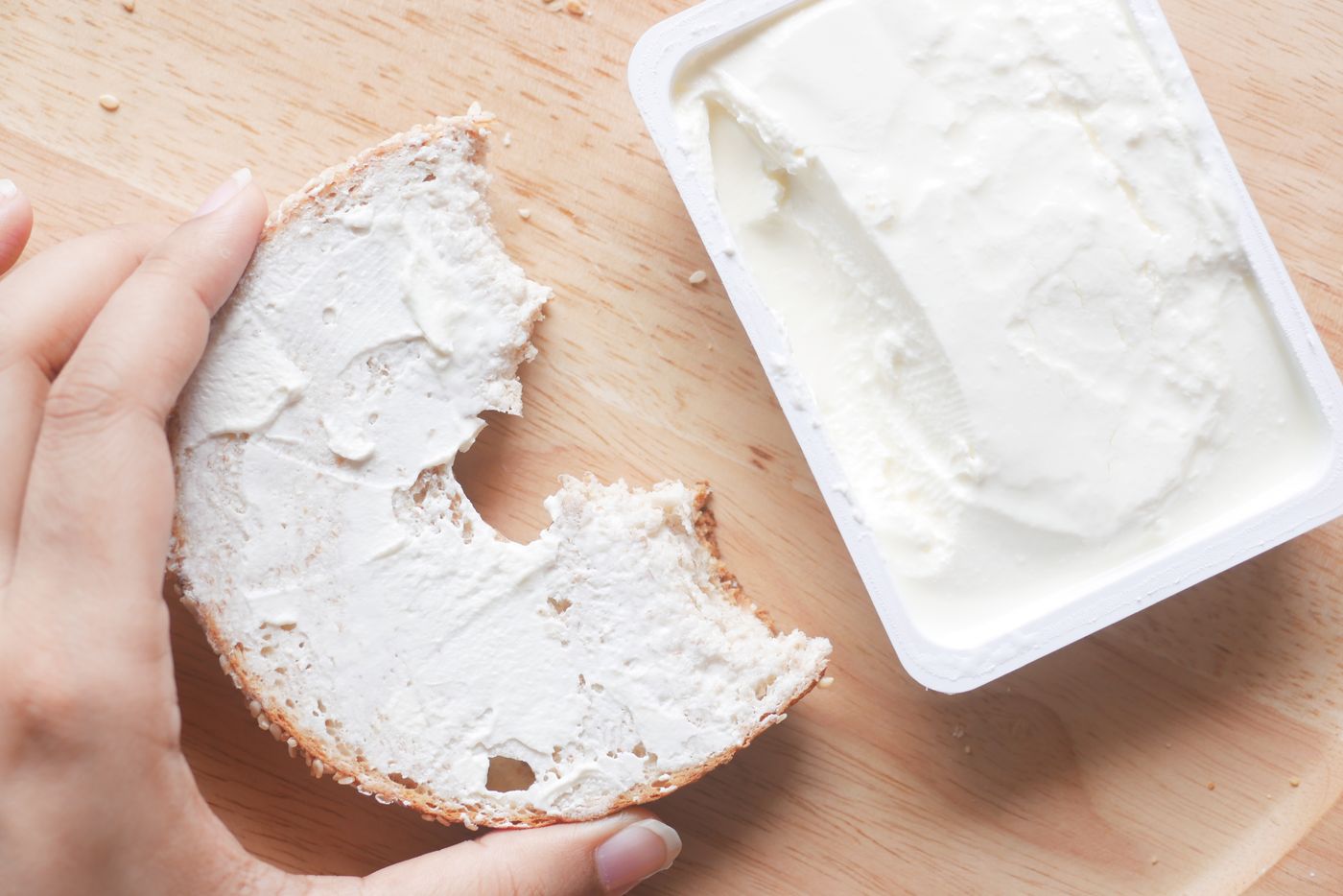
Cream cheese is an occasional treat at most, and only as a small dab of the plain, full ingredient kind. It is mostly milk fat with some milk protein, and WSAVA lists milk and dairy products among foods many cats should avoid because they are lactose intolerant. If your cat gets soft stool after dairy, skip it entirely.
What Cream Cheese Offers a Cat
Cats are obligate carnivores, Cornell's Feline Health Center explains, and they rely on nutrients found in animal products. Cream cheese is an animal product, so a cat may find it tempting, but it is mostly fat and adds little a complete cat food does not already provide. A tiny smear can hide a pill.
The drawback is lactose. The ASPCA says pets do not have much lactase, the enzyme that digests milk sugar, so dairy often causes diarrhea or other stomach upset. Some cats tolerate a small taste, and others react to a lick.
How Much Cream Cheese Can a Cat Have?
A USDA table lists regular cream cheese at 51 calories per tablespoon, which works out to about 17 calories per teaspoon. WSAVA says treats should make up less than 10% of a cat's daily calories, which is about 22 to 25 calories a day for a 10-pound adult cat. So up to 1 teaspoon fits inside that allowance, and half a teaspoon is a better first try. Count it as part of that day's food, not an extra.
Offer it as an occasional treat, not a daily habit. Kittens, senior cats, and cats with diabetes, pancreatitis, kidney disease, urinary stones or a food allergy should only have cream cheese if their veterinarian approves it.
How to Serve It
Use plain, regular cream cheese straight from the tub or block. Give it on your fingertip or a spoon, or press a pill into it.
Skip the flavored spreads. Chive, scallion, onion, and garlic and herb cream cheeses contain allium plants, and the Merck Veterinary Manual says cats are the most susceptible species to onion and garlic poisoning. Smoked salmon and lox spreads are salty. Sweet versions such as strawberry, honey pecan or cheesecake fillings add sugar, fruit or nuts. Whipped and light versions have the same dairy concerns, so they are not a workaround. Do not offer cream cheese frosting, which is mostly sugar and butter, or a bagel with cream cheese on it.
If your cat has a medical condition or eats a prescription diet, ask your veterinarian before adding cream cheese.
Common Questions
Is cream cheese bad for cats?
Plain cream cheese is not on any list of poisons, but it can upset a cat's stomach. The ASPCA says pets lack much lactase, so dairy often causes diarrhea. A teaspoon has about 17 calories, according to a USDA table, which fits a 10-pound cat's daily treat allowance. Offer a small amount now and then, and stop if your cat gets soft stool.
Can cats eat chive and onion cream cheese?
No. Chive, onion, scallion and garlic and herb cream cheeses all contain allium plants. The Merck Veterinary Manual says cats are the most susceptible species to onion and garlic poisoning, which damages red blood cells, and that signs can take several days to appear. If your cat licked a flavored spread, call your veterinarian and have the container in hand.
Can I use cream cheese to give my cat a pill?
Often, yes. A small dab of plain cream cheese works well for many cats, and a teaspoon or less stays within the daily treat allowance WSAVA describes. Ask your veterinarian first, because some medicines should not be given with dairy or food. If your cat has diarrhea after dairy, your vet can suggest a pill pocket or other way to give the dose.
Can kittens eat cream cheese?
It is better to skip it. Kittens are small, so even half a teaspoon is a large share of their treats, and they need a complete kitten food while they grow. The ASPCA notes that dairy often causes diarrhea in pets, and a kitten with diarrhea can lose fluids quickly. Ask your veterinarian before giving a kitten any people food.
Can cats eat cream cheese frosting?
No. Cream cheese frosting is mostly powdered sugar and butter, so it is high in calories and fat. A 2005 study in PLOS Genetics found that cats likely cannot taste sweetness, so the sugar adds calories with no reward. Frosted cakes may also contain chocolate or raisins. If you want to share, offer a small dab of plain cream cheese instead.