Can Cats Eat Eggs?
By Pettings · Sources checked Nov 2, 2026
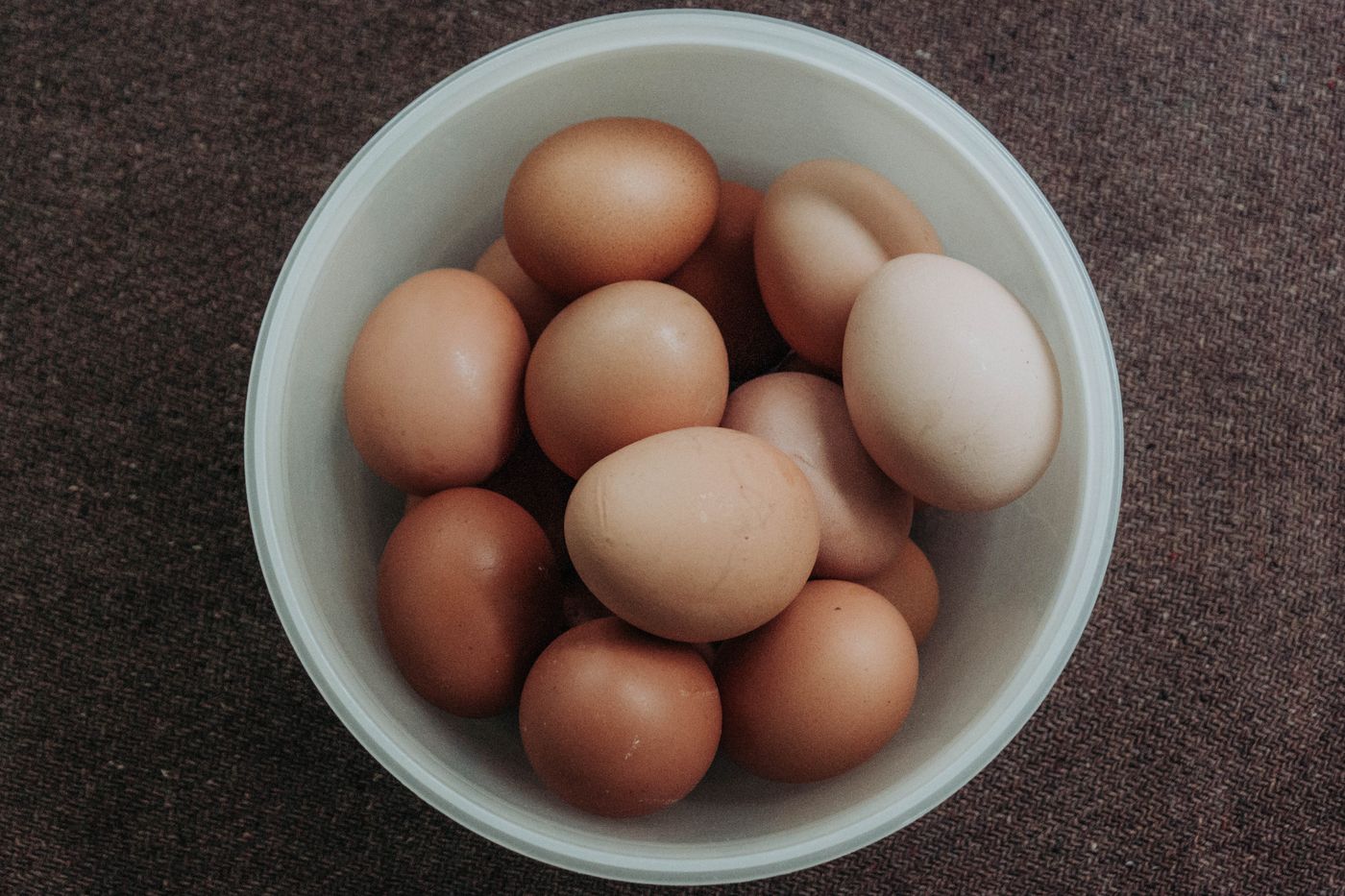
Cats can eat small amounts of plain cooked eggs. Scrambled or hard-boiled egg with nothing added is one of the easier people foods to share with a cat. What matters is that the egg is cooked. The Merck Veterinary Manual explains that raw eggs contain avidin, a protein that destroys the B vitamin biotin, and that cooking destroys avidin.
What Eggs Offer a Cat
Egg is animal protein and fat. Cornell Feline Health Center describes cats as obligate carnivores that rely on nutrients found only in animal products, and eggs fit that pattern. Merck notes that cats have a specific need for arachidonic acid, a fat found in meat, poultry and egg fat. A complete cat food already supplies it, so egg is a treat and not a fix for a gap. Eggs are also fairly rich for their size, which is why the portion stays small.
How Much Egg Can a Cat Have?
USDA lists one large egg at 72 calories, and a tablespoon of plain cooked egg at about 23 calories. WSAVA advises keeping treats under 10% of daily calories, which is roughly 22 to 25 treat calories a day for a 10-pound adult cat. That makes about 2 teaspoons of scrambled or chopped hard-boiled egg, roughly 15 calories, a good serving. A whole egg is about three days' worth of treats for a cat that size. Give the egg in place of part of that day's regular food. Kittens, seniors and cats with diabetes, kidney disease, urinary stones, pancreatitis or food allergies should only get egg with the vet's approval.
How to Serve It
For scrambled egg, beat the egg with nothing added and cook it in a nonstick pan without butter, oil, milk, cheese or salt. The ASPCA notes that pets lack enough lactase to digest dairy well, so leave the milk out. For hard-boiled egg, cook it until both the white and yolk are firm, cool it, peel it completely, and chop it fine. Poached egg works too if the white and yolk are fully set. Skip runny, soft-boiled and sunny-side-up eggs, since the ASPCA warns that raw eggs can carry Salmonella and E. coli. Deviled eggs, egg salad and omelets with onion, chives or garlic are off the list, because the ASPCA lists those among foods pets should not eat. Eggshells are not needed either.
If your cat has a medical condition or eats a prescription or special diet, ask your veterinarian before adding eggs.
Common Questions
Can cats eat scrambled eggs?
Yes, cats can eat a small amount of plain scrambled egg. Cook it without butter, milk, cheese or salt, and make sure it is fully set. USDA lists plain cooked egg at about 23 calories per tablespoon, so about 2 teaspoons is a reasonable treat for a 10-pound cat. Skip eggs scrambled with onion, chives or garlic.
Can cats eat hard-boiled eggs?
Yes, plain hard-boiled egg is fine for cats in small amounts. Cook it until the yolk is firm, peel it completely, and chop a small piece. USDA lists a large egg at 72 calories, so about one-fifth of an egg, around 15 calories, fits a 10-pound cat's daily treat budget. Leave off salt, pepper and mayonnaise.
Can kittens eat eggs?
A kitten can have a small taste of plain, fully cooked egg after your veterinarian okays it. Kittens need a complete diet for growth, and WSAVA advises keeping treats under 10% of daily calories. A crumb or two of scrambled or hard-boiled egg is enough for a kitten. Never give raw or runny eggs.
Can cats eat egg yolk?
Cats can eat a little fully cooked egg yolk. The Merck Veterinary Manual notes that egg fat contains arachidonic acid, a fat cats need, though a complete cat food already supplies it. The yolk is the richest part of the egg, so keep the amount small. Cook it until firm, since raw and runny eggs can carry Salmonella according to the ASPCA.
Can cats eat eggs every day?
A small amount of plain cooked egg can fit into a cat's daily treat budget, as long as it replaces part of the regular food. WSAVA advises that treats stay under 10% of daily calories, roughly 22 to 25 calories for a 10-pound cat, and that treats never replace a complete diet. About 2 teaspoons of egg stays within that limit.
Sources
- USDA: Energy content of common foods
- WSAVA: Feeding treats to your cat
- Merck Veterinary Manual: Nutritional requirements of small animals
- ASPCA: People foods avoid feeding your pets
- Cornell Feline Health Center: Feeding your cat
