Can Cats Eat Fish Bones?
By Pettings · Sources checked Nov 2, 2026
No. Keep fish bones away from cats, whether cooked or raw. The Merck Veterinary Manual says bones are the most common objects that get stuck in a cat's esophagus, the tube that carries food to the stomach. The ASPCA adds that pets can suffer injury or obstruction of the digestive tract from swallowed bones, which can be serious and may require surgery. A plate of fish is fine to share in small amounts once every bone is out.
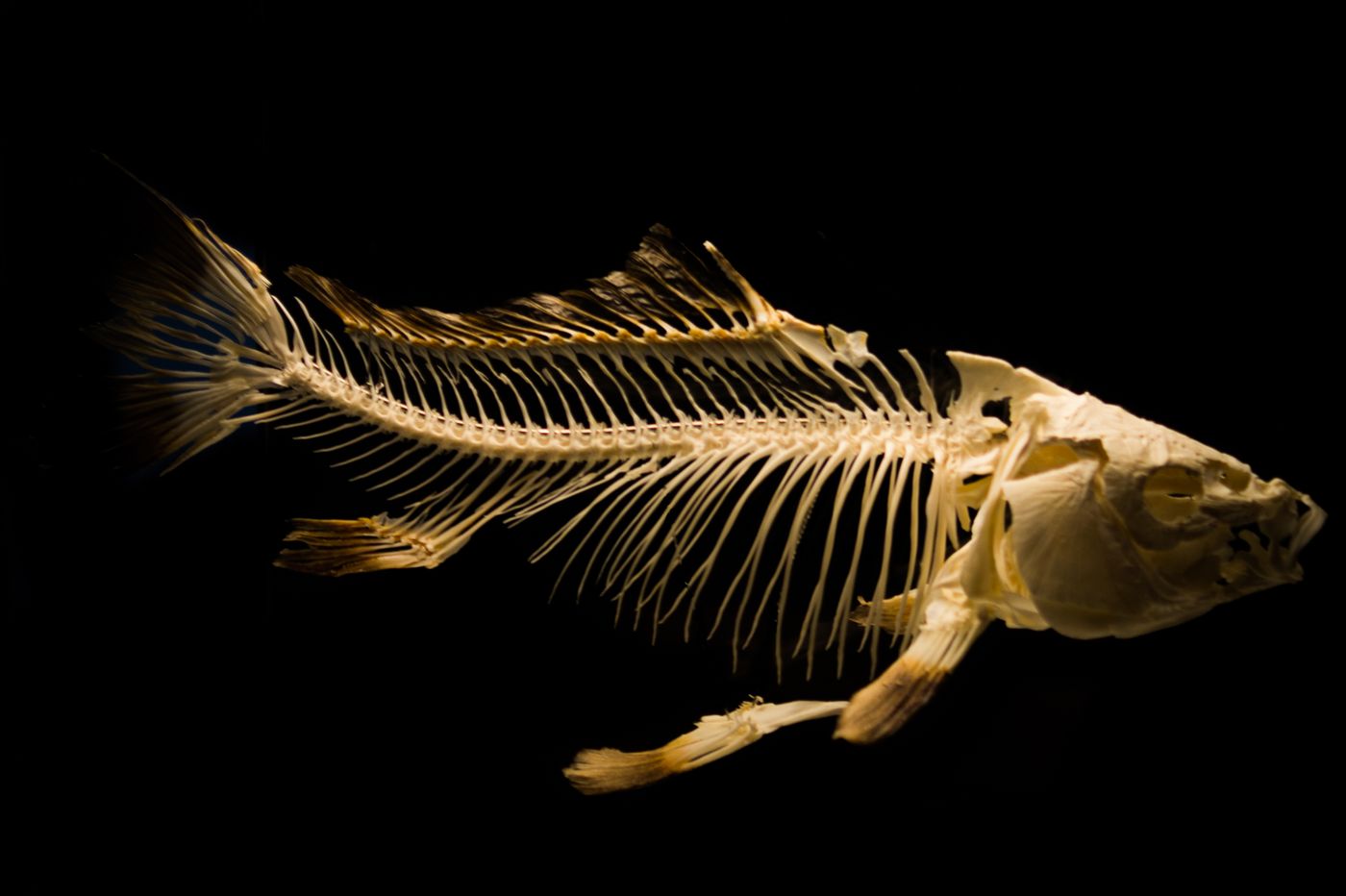
Why Fish Bones Are a Problem for Cats
Fish bones are thin, sharp and often curved. They can catch in the mouth or throat, lodge in the esophagus, or travel further and irritate the stomach or intestines. Merck notes that an object stuck in the esophagus needs to be removed by a veterinarian as soon as possible, usually with an endoscope. Surgery is needed if the esophagus has been punctured or the object cannot be removed that way, and some cats develop a narrowing of the esophagus while healing. WSAVA also advises that anything given as a treat be a size and shape that lowers the risk of choking.
Cats find fish bones in more places than you might expect. A whole fried fish left on a plate, the skeleton of a trout in the kitchen trash, or the spine in a can of sardines can all tempt a cat.
Signs to Watch For
According to Merck, early signs of something stuck in a cat's esophagus include heavy drooling, gagging, bringing food back up, and repeated attempts to swallow. If the object stays in place longer, a cat may eat less, lose weight and become lethargic. A cat that paws at its mouth, refuses food or seems to be in pain after getting into fish scraps needs attention too.
What to Do If Your Cat Ate Fish Bones
Call your veterinarian right away, or the ASPCA Animal Poison Control Center at (888) 426-4435 if your vet is not available, especially if your cat is gagging, drooling or trying to vomit. Do not try to make your cat vomit unless a veterinarian tells you to. Do not reach into the throat to pull out a bone yourself. Bring the packaging or what is left of the fish so the vet knows the size and type of bone. Keep trash covered and clear plates promptly.
If your cat has a medical condition or eats a special diet, ask your veterinarian which bone-free fish treats are suitable.
Common Questions
Can cats eat cooked fish bones?
No, cooked fish bones are not suitable for cats either. Cooked bones still lodge in the throat, and the Merck Veterinary Manual says bones are the most common objects that get stuck in a cat's esophagus. The ASPCA warns that swallowed bones can injure or block the digestive tract. Remove every bone you can find before sharing fish.
What are the signs of a fish bone stuck in a cat's throat?
Signs of a bone stuck in a cat's throat or esophagus include heavy drooling, gagging, bringing food back up and repeated attempts to swallow, according to the Merck Veterinary Manual. Some cats paw at the mouth or refuse food. Call your veterinarian right away if you see these signs, and do not try to pull the bone out yourself.
Will a fish bone pass on its own in a cat?
Some small bones may pass, but you cannot count on it, so call your veterinarian rather than waiting. The ASPCA warns that bones can cause injury or obstruction in the digestive tract that may require surgery. Merck notes that a bone lodged in the esophagus should be removed by a veterinarian as soon as possible. Your vet can tell you whether to watch or come in.
Can cats eat the bones in canned sardines or salmon?
It is best to remove or mash the bones in canned fish. Canned sardines and salmon often contain the spine and small bones, and while these may be softer than fresh fish bones, the Merck Veterinary Manual lists bones as the objects most often stuck in a cat's esophagus. Lift out the larger pieces and mash the rest thoroughly before offering a small portion.
Can cats eat fish heads or fish skeletons?
No, do not give cats fish heads or skeletons. They are full of bones that can lodge in the throat or injure the gut, and the ASPCA warns that bone injuries can be serious and require surgery. Fish scraps in the trash are a common temptation, so keep the bin covered and wrap fish waste securely.