Can Cats Eat Flounder?
By Pettings · Sources checked Nov 2, 2026
Cats can eat small amounts of plain cooked flounder. It is one of the leanest, mildest fish at the counter, and its soft flakes are easy for a cat to eat. That makes plain flounder one of the simpler fish treats to share. Prepared dishes are another matter, since flounder is often breaded, fried or stuffed.
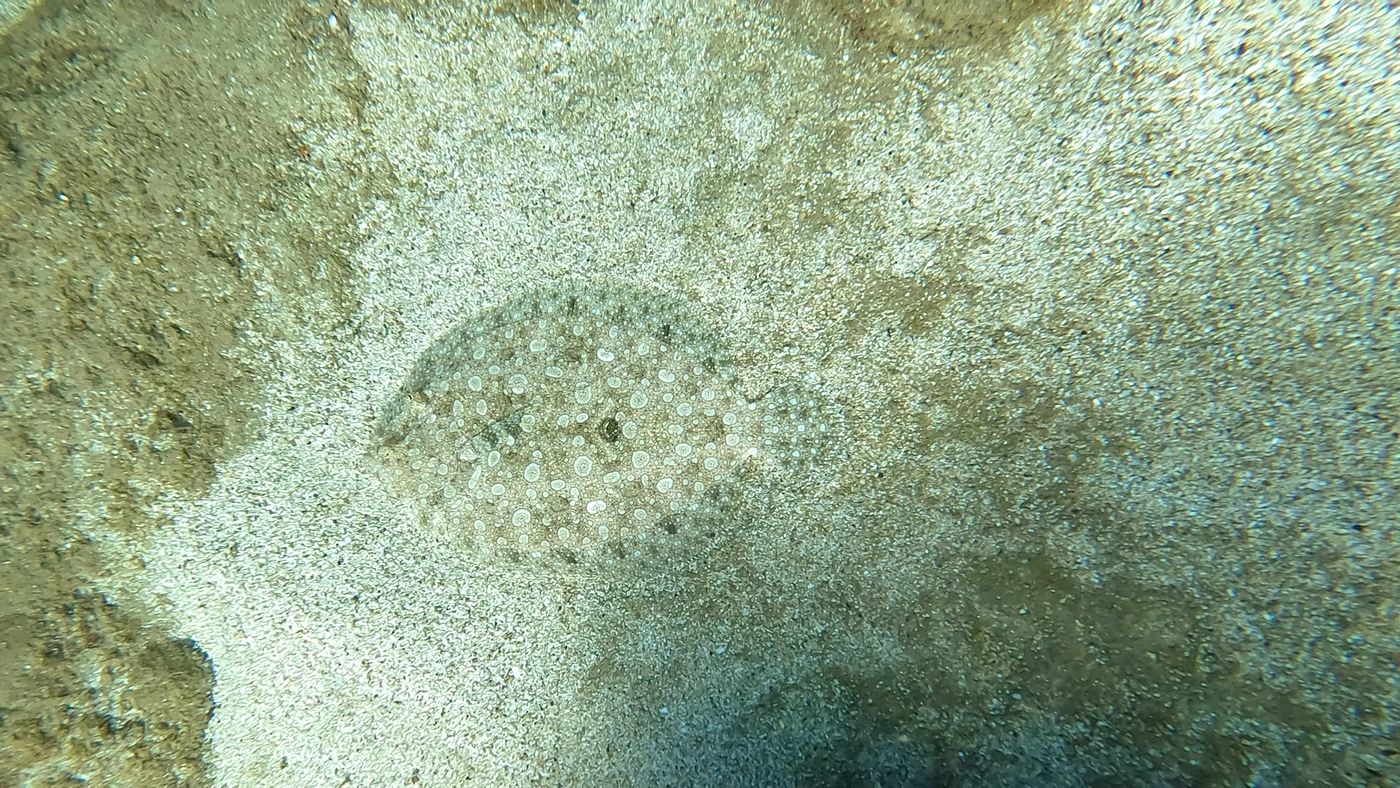
What Flounder Offers a Cat
Flounder is lean animal protein with very little fat. Cornell Feline Health Center describes cats as obligate carnivores that rely on nutrients found only in animal products, so a little plain fish fits their diet better than most foods from our plates. It does not add anything a complete cat food is missing. FDA advice for people places flounder among the lowest-mercury fish. The Merck Veterinary Manual lists fish among the foods cats are most often allergic to, and says itching directed at the head and neck is fairly common.
How Much Flounder Can a Cat Have?
USDA lists a cooked flounder or sole fillet (127 grams) at 109 calories, which is about 24 calories per ounce. WSAVA advises keeping treats under 10% of daily calories, roughly 22 to 25 calories a day for a 10-pound adult cat. That means about 1/2 ounce (14 grams) of cooked flounder, around 12 calories, fits within the treat budget. Take it out of the regular food so the total stays the same. Ask your veterinarian first if the cat is a kitten or a senior, or has diabetes, kidney disease, urinary stones, pancreatitis or a food allergy.
How to Serve It
Bake, steam or poach the flounder with no butter, oil, salt, lemon or seasoning. Cook it until it turns opaque and flakes, then let it cool. Flatfish have a row of fine bones along each edge of the fillet, so flake the flesh with your fingers and pull out anything hard. Merck lists bones as the most common objects lodged in a cat's esophagus. Remove the skin as well. Do not share raw flounder or sushi, since Merck lists raw fish diets as a cause of thiamine deficiency in cats. Stuffed flounder usually contains breadcrumbs, butter and sometimes onion or garlic, which the ASPCA lists among foods pets should not eat. Fried and breaded flounder is also best kept for people.
If your cat has a medical condition or eats a special diet, ask your veterinarian before offering flounder.
Common Questions
Can cats eat fried flounder?
Fried flounder is not a good treat for cats. Breading and frying add a lot of fat and often salt and seasoning. Cornell Feline Health Center lists excessive dietary fat among factors associated with pancreatitis in cats, and batter mixes may contain onion or garlic powder. If you want to share flounder, set aside a plain piece and bake or steam it.
Can cats eat stuffed flounder?
No, stuffed flounder is not suitable for cats. The stuffing usually contains breadcrumbs, butter and seasonings, and sometimes onion or garlic, which the ASPCA lists among foods pets should not eat. Crab stuffing often includes mayonnaise or cheese too. Offer only a small flake of plain cooked flounder that never touched the stuffing.
Can kittens eat flounder?
A kitten can taste a small flake of plain cooked flounder with every bone removed, once your veterinarian agrees. Kittens need a complete diet made for growth, and WSAVA advises that treats stay under 10% of daily calories. Flounder has fine bones along the edges of the fillet, so flake it carefully before offering it.
Can cats eat raw flounder?
Raw flounder is not recommended for cats. The Merck Veterinary Manual lists raw fish diets, which contain thiaminase, as a cause of thiamine deficiency in cats. Raw fish can also carry bacteria. Steam or bake flounder plain until it is opaque and flakes, then share a small piece.
Is flounder good for cats with sensitive stomachs?
Flounder is lean and mild, but it is not a treatment for a sensitive stomach. The Merck Veterinary Manual lists fish among the foods cats are most often allergic to, and adding new foods can make it harder to work out what is upsetting your cat. If your cat often vomits or has loose stools, talk to your veterinarian before trying new foods.
Sources
- USDA: Energy content of common foods
- WSAVA: Feeding treats to your cat
- FDA: Advice about eating fish
- Merck Veterinary Manual: Disorders of the esophagus in cats
- Merck Veterinary Manual: Allergies of cats
- Merck Veterinary Manual: Nutritional disorders of the spinal column and cord in animals
- ASPCA: People foods avoid feeding your pets
- Cornell Feline Health Center: Feeding your cat
- Cornell Feline Health Center: Pancreatitis