Can Cats Eat Frozen Dinners?
By Pettings · Sources checked Nov 2, 2026
No. Keep frozen dinners away from cats, and the same goes for canned meals and other ready meals made for people. These dishes are built for flavor and shelf life, so they lean on salt, sauces, gravies and seasoning blends. Those sauces usually contain onion or garlic, which the ASPCA says can damage red blood cells in pets.
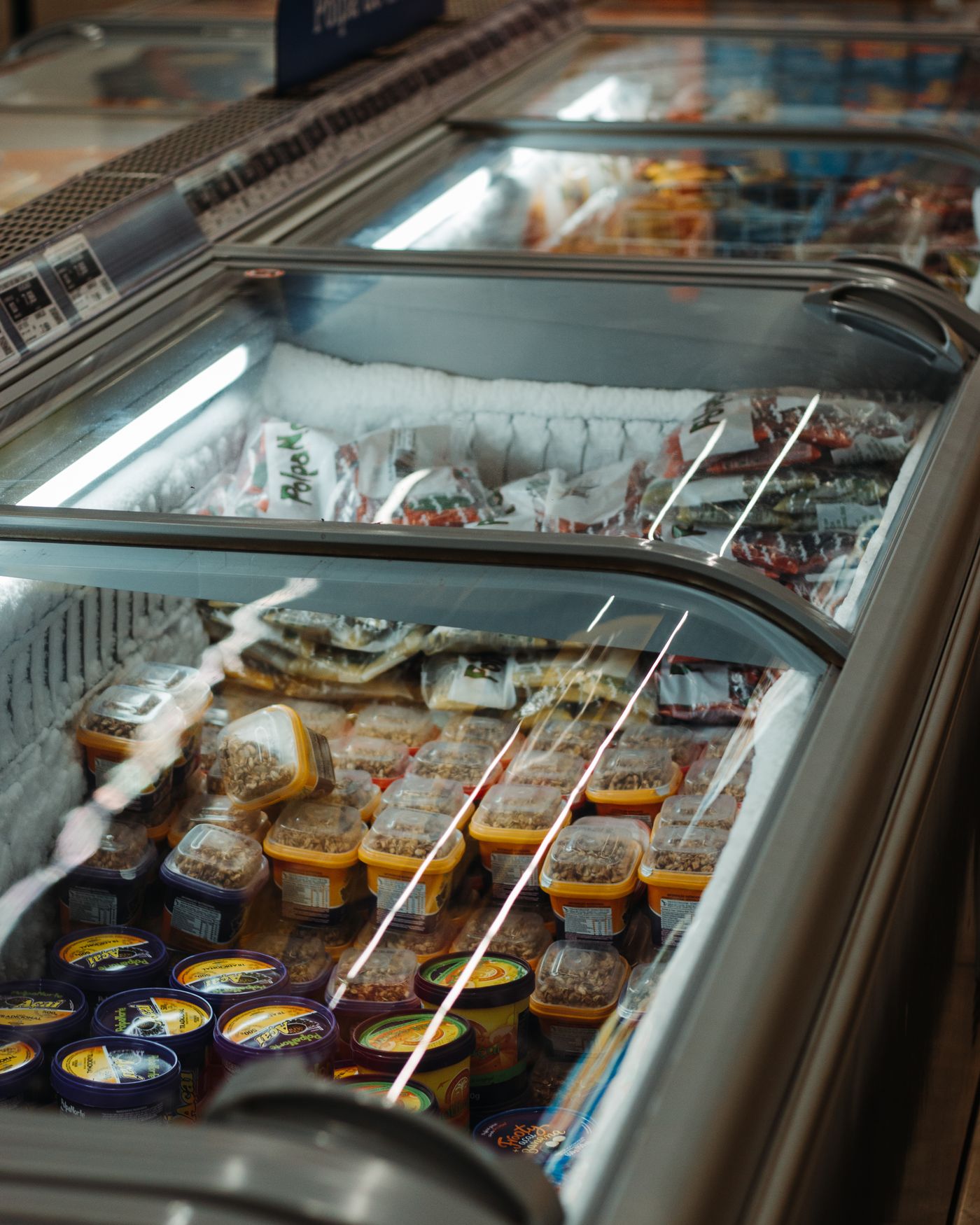
Why Frozen Dinners Are a Problem for Cats
The sauce is where the hidden ingredients sit. Gravy on a turkey dinner, the sauce on a chicken entree, the filling of a pot pie and the cheese sauce on pasta are typically made with onion powder, garlic powder, dried onion, butter, cream or cheese, and plenty of salt. The Merck Veterinary Manual says cats are the species most susceptible to onion and garlic, and that dried powders are among the forms most often linked to poisoning. Cats have reacted to less than a teaspoon of cooked onion.
Salt is high in most ready meals because it helps them keep and taste right after reheating. The ASPCA says excess salt can cause thirst and frequent urination, and that salt poisoning can bring vomiting, diarrhea, depression, tremors and seizures.
Fat and dairy are common too. Breaded meat, cheese toppings and cream sauces add fat, and the Cornell Feline Health Center lists excessive dietary fat among the factors associated with pancreatitis in cats. WSAVA notes that many cats are lactose intolerant.
Canned stews and pasta meals follow the same pattern, and meat picked out of a frozen dinner has been cooked in its sauce.
Signs to Watch For
Salt and fat can cause vomiting and diarrhea within hours, and the ASPCA lists thirst and tremors or seizures with larger amounts of salt. Onion and garlic act later. Merck says signs of red blood cell damage usually show a few days after the meal, including tiredness, poor appetite, weakness, fast breathing, yellow gums and dark urine. Cornell lists lethargy, loss of appetite and dehydration among signs of pancreatitis.
What to Do If Your Cat Ate a Frozen Dinner
If your cat ate food with gravy, a cream or cheese sauce, or any seasoning, call your veterinarian or the ASPCA Animal Poison Control Center at (888) 426-4435 right away. Do not try to make your cat vomit unless a vet tells you to. Bring the box or can so the vet can read the ingredient list and the sodium.
If your cat has kidney disease, pancreatitis or another medical condition, ask your veterinarian before it eats any people food.
Common Questions
Can cats eat the chicken from a frozen dinner?
It is better not to. The chicken in a frozen dinner has been cooked in its sauce or gravy, which usually contains onion or garlic powder and a lot of salt. The Merck Veterinary Manual says cats are the species most susceptible to onion and garlic. Cook a small piece of plain chicken for your cat instead.
Can cats eat canned stew or canned meals?
No. Canned stews, pasta meals and soups usually contain onion, garlic and plenty of salt, and some add cream or cheese. The ASPCA warns that onion and garlic can damage red blood cells and that cats are more susceptible than dogs. If your cat ate some, check the label for onion or garlic and call your vet if they are listed.
Can cats eat gravy?
No. Gravy from a jar, packet, frozen meal or your own roast is usually made with onion or garlic, salt and fat. The Merck Veterinary Manual names powders and dry soup mixes among the concentrated onion forms most often linked to poisoning in cats. If your cat licked gravy, call your veterinarian for advice.
What happens if my cat eats a frozen pot pie?
Call your vet. Pot pie filling is a creamy sauce usually made with onion, butter and salt, and the crust is fatty pastry. The ASPCA notes that the oils and fats in nuts can cause vomiting, diarrhea and potentially pancreatitis in some pets, and onion can damage red blood cells over the next few days. Bring the box so the vet can see the ingredients.
Can cats eat frozen dinners made for weight loss?
No. A lighter frozen meal may have less fat, but it is still seasoned for people, usually with salt and onion or garlic, and may use sweeteners. It is not balanced for a cat either. The Cornell Feline Health Center calls cats obligate carnivores that need nutrients found in animal products, so a weight plan for a cat should come from your vet.