Can Cats Eat Grapes?
By Pettings · Sources checked Nov 2, 2026
No. Keep grapes away from cats. The ASPCA lists grapes and raisins among the people foods pets should not eat, because they can lead to kidney damage. The Merck Veterinary Manual notes anecdotal reports of kidney failure in cats that ate grapes or raisins, so the cautious answer for cats is the same as for dogs.
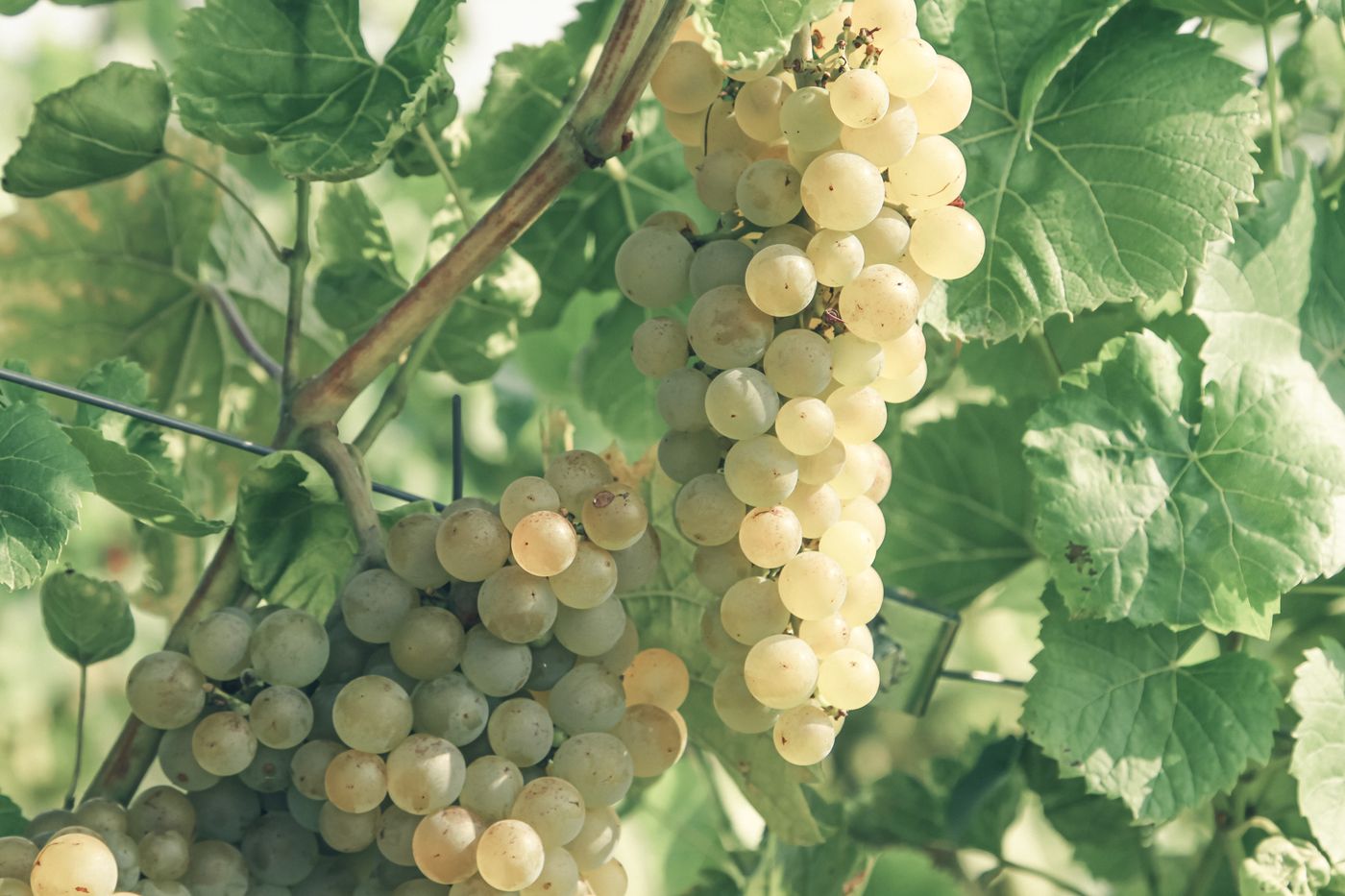
Why Grapes Are a Problem for Cats
Most of what is known about grapes comes from dogs. The Merck Veterinary Manual (published outside North America as the MSD Veterinary Manual) explains that tartaric acid is one proposed cause, and that dogs cannot clear this kind of acid from their kidneys well, so it builds up in kidney cells. The ASPCA also names tartaric acid as the suspected toxic component. In cats, the manual says there are anecdotal reports of kidney failure after eating grapes or raisins, but no published case reports. In other words, nobody knows how many grapes would hurt a cat, or which cats are sensitive, so no amount is considered acceptable.
Grapes give a cat nothing in return. They are mostly sugar and water. The same caution covers every color of grape, seedless or not, organic or conventional, along with grape juice and grape jelly.
Signs to Watch For
In dogs, the Merck Veterinary Manual reports vomiting or diarrhea that usually starts within 6 to 12 hours, along with lethargy, loss of appetite and dehydration. These dog studies describe kidney damage that follows over the next one to three days, when a dog may make much less urine or none at all. Cats have not been studied in the same way, so treat any of these signs after a grape incident as a reason to call the vet.
What to Do If Your Cat Ate Grapes
Call your veterinarian or the ASPCA Animal Poison Control Center at (888) 426-4435 right away. Do not try to make your cat vomit unless a veterinarian tells you to. Tell them how many grapes your cat ate and when. If the grapes came from a fruit cup, juice or snack, bring the package. The Merck manual describes early decontamination and fluid therapy for dogs, and your veterinarian will decide what fits your cat, so call before signs appear rather than after.
If your cat has a medical condition or eats a special diet, ask your veterinarian before offering any fruit.
Common Questions
What should I do if my cat ate one grape?
Call your veterinarian or the ASPCA Animal Poison Control Center at (888) 426-4435, even for one grape. The Merck Veterinary Manual notes anecdotal reports of kidney failure in cats after eating grapes or raisins, and no one knows the amount that causes trouble in cats. Do not make your cat vomit unless a vet tells you to.
Are grapes toxic to cats?
The ASPCA lists grapes among foods to avoid feeding pets, and the Merck Veterinary Manual says there are anecdotal reports of kidney failure in cats that ate grapes or raisins. There are no published case reports in cats yet, so the risk is less understood than in dogs. Because the amount that matters is unknown, keep all grapes away from your cat.
How long after eating grapes will a cat get sick?
Timing has not been studied in cats. In dogs, the Merck Veterinary Manual reports vomiting or diarrhea usually within 6 to 12 hours, with kidney failure developing over the next one to three days. Do not wait for signs. Call your veterinarian as soon as you know your cat ate grapes, since the Merck manual recommends prompt treatment in dogs.
Can cats drink grape juice?
No, keep grape juice away from cats. It comes from the same fruit that the ASPCA lists as a concern for pets, and the toxic part of grapes is still not confirmed. Juice is also concentrated sugar. If your cat drank some, call your veterinarian or the ASPCA Animal Poison Control Center at (888) 426-4435 and bring the bottle.
Why are grapes bad for cats but not people?
Researchers think tartaric acid in grapes is one cause, and the Merck Veterinary Manual explains that dogs cannot clear this kind of acid from the kidneys well. That work was done in dogs, and cats have only anecdotal reports of kidney failure. People handle tartaric acid differently. Because cats have not been studied well, vets advise avoiding grapes entirely.
Sources
