Can Cats Eat Green Beans?
By Pettings · Sources checked Nov 2, 2026
Cats can eat small amounts of plain cooked green beans. Tufts Petfoodology lists steamed green beans among its low-calorie treats for dogs and cats, and the ASPCA includes beans in its list of garden vegetables pets can have as snacks in moderation.
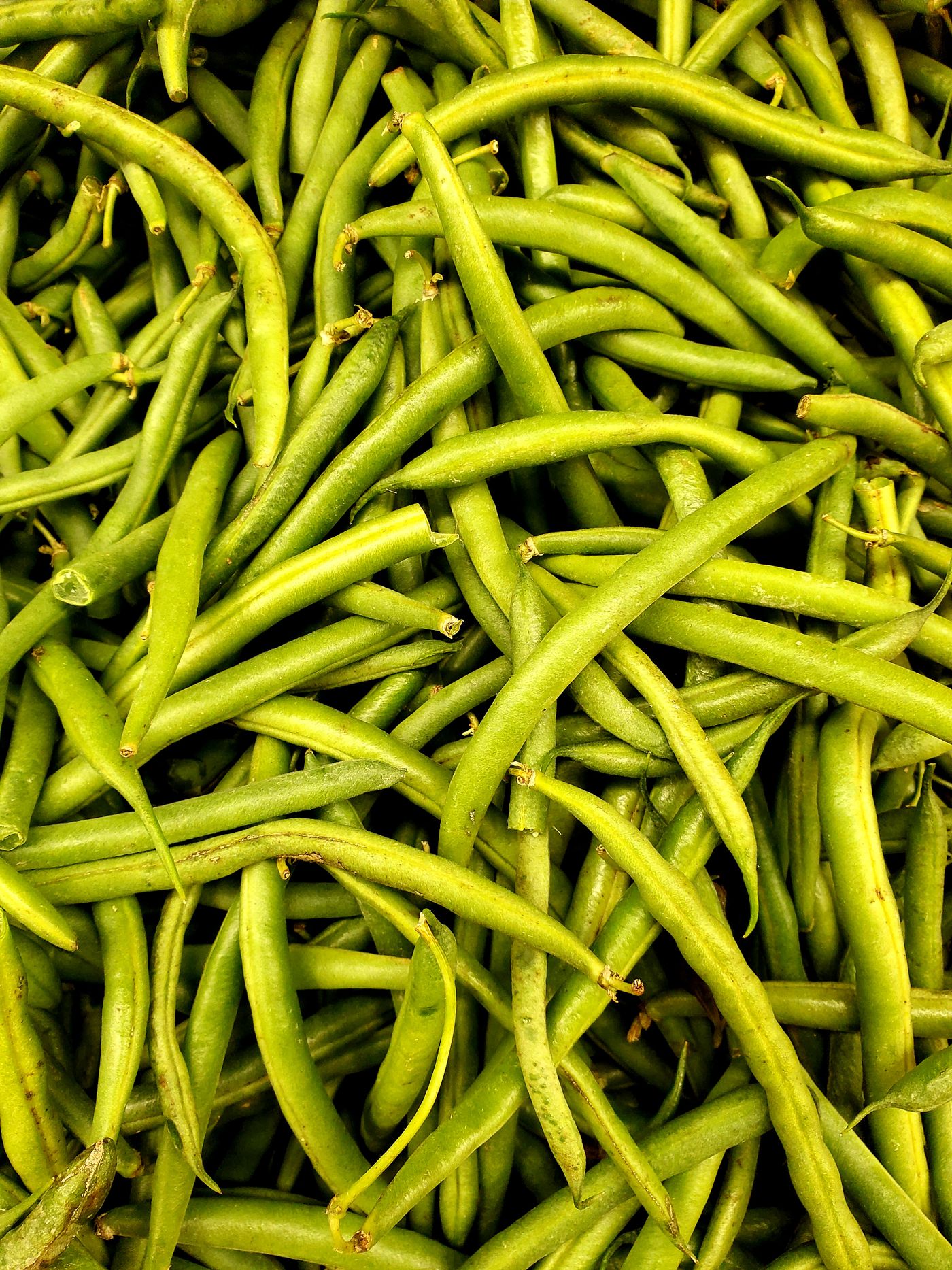
What Green Beans Offer a Cat
Green beans are mostly water, with some fiber and small amounts of vitamins and minerals. The Cornell Feline Health Center explains that cats are obligate carnivores that rely on nutrients from animal products. A complete cat food covers what a cat needs, so green beans are a crunchy, low-calorie extra rather than a source of something missing.
Green beans are sometimes suggested to bulk up meals for overweight pets. Tufts Petfoodology notes that many owners add vegetables such as green beans as fiber sources, but the fiber they contain is variable and typically low. If your cat needs to lose weight, ask your veterinarian for a plan rather than filling the bowl with beans.
How Many Green Beans Can a Cat Have?
WSAVA advises keeping treats under 10% of daily calories, about 22 to 25 calories a day for a 10-pound adult cat. Tufts lists a half cup of steamed green beans at 15 calories, so 1 to 2 tablespoons of chopped beans comes to about 2 to 4 calories. That fits easily inside the allowance. Count it as part of the day's food rather than an addition.
Start with a few pieces. A large amount of any vegetable can cause gas or loose stool. Kittens, seniors, and cats with diabetes, kidney disease, urinary stones, pancreatitis, or food allergies should have treats chosen with their veterinarian.
How to Serve It
Wash fresh beans, snap off the ends, and steam or boil them until tender. Let them cool and cut them into pieces about the size of a pea. Frozen green beans work the same way. Canned green beans often contain added salt, so choose cans labeled no salt added and rinse them.
Serve them plain. Green bean casserole is out, since it usually includes fried onions, cream soup, and salt, and the ASPCA lists onions as able to damage a cat's red blood cells. Skip beans cooked with garlic, bacon, butter, or almonds, and skip seasoned or fried green bean snacks. This article covers green beans only. Dried beans such as kidney beans need different preparation and are not covered here.
If your cat has a medical condition or eats a special diet, check with your veterinarian before adding green beans.
Common Questions
Can cats eat raw green beans?
Cats can nibble a small piece of raw green bean, but cooked is easier on them. Tufts Petfoodology lists both raw and steamed green beans as low-calorie treats. Raw beans are crunchy and fibrous, so cut them into very small pieces if you offer them. Steaming until tender, then chopping, is the simplest approach.
Are green beans good for overweight cats?
Green beans are low in calories, but they are not a weight-loss plan on their own. Tufts Petfoodology notes that the fiber in vegetables like green beans is variable and typically low. Cats need a measured diet to lose weight at a steady pace. Ask your veterinarian for a target weight and feeding plan before swapping food for vegetables.
Can cats eat canned green beans?
Plain canned green beans are fine in small amounts if they have no added salt. Many canned beans contain added salt, which the ASPCA warns can cause increased thirst and urination in excess. Choose cans labeled no salt added, rinse the beans, and chop them small. Skip canned green beans with seasoning or sauce.
Can kittens eat green beans?
Kittens can try a tiny piece of soft cooked green bean, but they do not need vegetables. A kitten's small stomach should be filled with complete kitten food. If you offer some, mash it or cut it very small and watch for loose stool. Ask your veterinarian first if the kitten has a sensitive stomach.
Can cats eat green bean casserole?
No, green bean casserole is not for cats. It is usually made with fried onions, canned cream soup, and salt. The ASPCA lists onions as able to damage a cat's red blood cells, which can lead to anemia, and onion powder in the soup counts too. If your cat ate some, call your veterinarian or the ASPCA Animal Poison Control Center.
Sources
- Tufts Petfoodology: Treat options for dogs and cats without unbalancing their diet
- Tufts Petfoodology: Fiber frustrations
- ASPCA: Pets and produce top tips vegetable garden safety
- ASPCA: People foods avoid feeding your pets
- Cornell Feline Health Center: Feeding your cat
- WSAVA: Feeding treats to your cat
- USDA: Energy content of common foods