Can Cats Eat Hummus?
By Pettings · Sources checked Nov 2, 2026
No. Keep hummus away from cats. Classic hummus is made with garlic, and the Merck Veterinary Manual names cats as the species most susceptible to garlic and onion poisoning. The ASPCA lists garlic, onions and chives among the people foods to avoid feeding pets, and WSAVA lists garlic as toxic to cats.
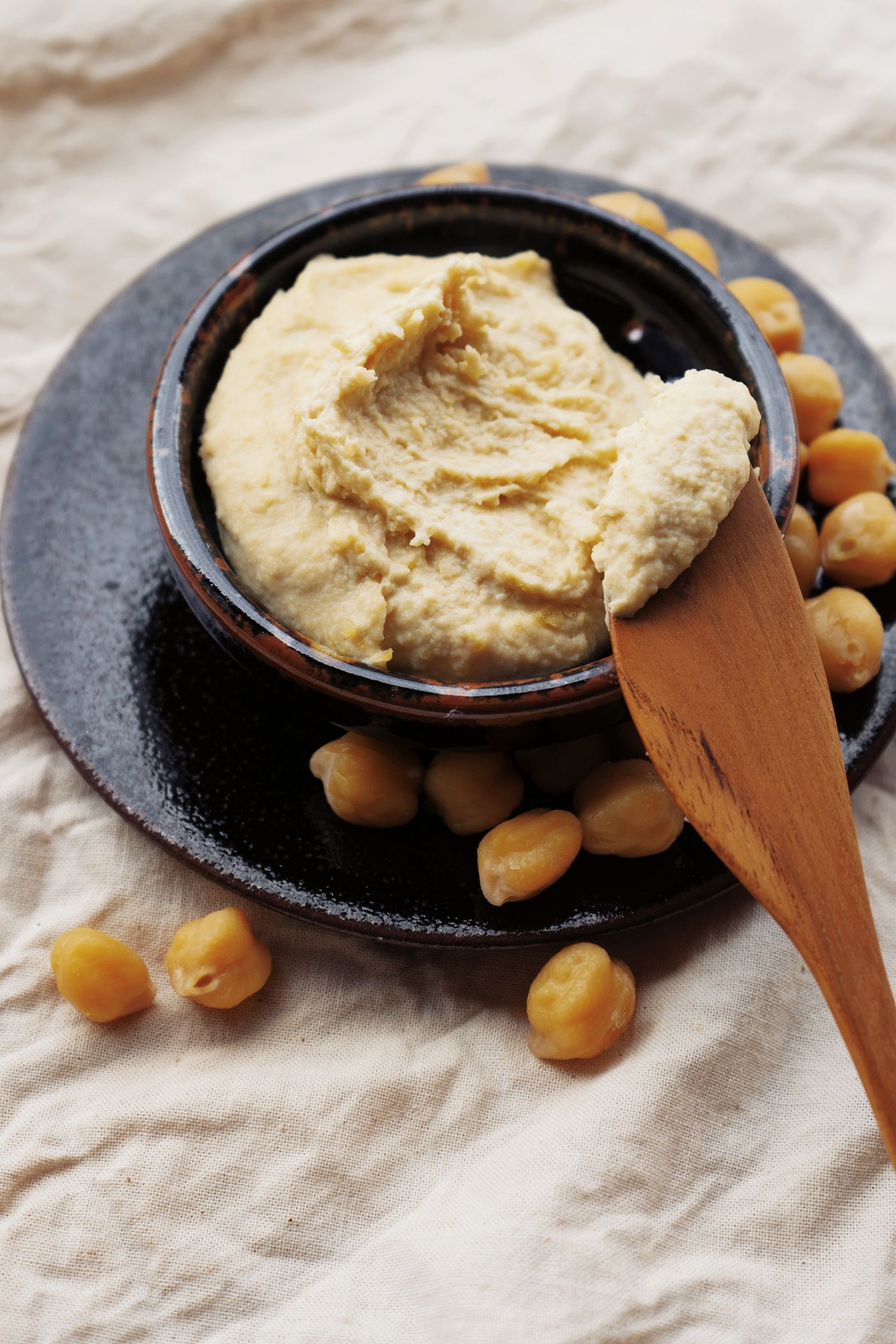
Why Hummus Is a Problem for Cats
The chickpeas are not the issue. Garlic is. Merck explains that garlic and onion damage red blood cells and can cause anemia, and that garlic is three to five times more potent than onion. Hummus uses raw garlic, and many store-bought tubs also contain garlic powder or dried garlic, the concentrated forms Merck links to many cases. Flavored hummus adds more risk: roasted garlic, caramelized onion, everything bagel and spicy versions often contain both.
Other ingredients add to the problem. Tahini is sesame paste and is high in fat. Hummus is salted, and the ASPCA warns that salty foods can cause excessive thirst and urination and, in larger amounts, vomiting and tremors. Lemon juice and spices such as cumin and paprika offer a cat nothing. Pita chips and pita bread served with hummus are salty starch.
Garlic also hides in foods that go next to hummus. Baba ganoush, tzatziki and many dips and dressings contain it, and so do some broths and baby foods. Read ingredient labels before letting a cat lick any spoon or container.
Signs to Watch For
Merck notes that signs of garlic and onion poisoning usually appear a few days after exposure, once red blood cells have broken down. A cat may be weak and lethargic, lose its appetite, breathe fast or have a fast heart rate, and its gums may look pale or yellow. Urine can turn reddish or dark brown. Severe cases can lead to collapse. The salt and fat in hummus may cause vomiting or diarrhea sooner.
What to Do If Your Cat Ate Hummus
Call your veterinarian or the ASPCA Animal Poison Control Center at (888) 426-4435 right away, even if your cat seems normal, since the effects on the blood can take days to show. Do not try to make your cat vomit unless a veterinarian tells you to. Bring the container or recipe so the vet can see how much garlic was in it, and estimate how much your cat ate. A lick from a finger is different from a cat with its head in the tub, and the vet can judge which you are dealing with.
If your cat has anemia, kidney disease or another medical condition, or eats a special diet, tell your veterinarian when you call.
Common Questions
What happens if my cat licks hummus?
A single lick of hummus is unlikely to cause serious trouble, but garlic is the concern. The Merck Veterinary Manual says cats are the species most susceptible to garlic and onion, and that red blood cell damage usually appears a few days later. Call your veterinarian or the ASPCA Animal Poison Control Center for advice, and watch for weakness, pale gums or dark urine.
Is there garlic-free hummus for cats?
Garlic-free hummus still is not a cat food. Even without garlic, hummus contains tahini, which is high in fat, along with salt, lemon and oil. If you want to share chickpeas, use one or two plain cooked chickpeas, mashed, with nothing added. That gives a cat the same base ingredient without the extras that are a problem for cats.
How much garlic is toxic to cats?
There is no amount of garlic that is recommended for cats. The Merck Veterinary Manual says cats are the most susceptible species to garlic and onion, that garlic is three to five times more potent than onion, and that concentrated forms such as powder cause many cases. Because hummus recipes vary, call your veterinarian rather than trying to calculate a dose yourself.
Can cats eat tahini?
Tahini is not a good choice for cats. It is ground sesame seeds, so it is mostly fat, and the ASPCA warns that the oils and fats in nuts can cause vomiting, diarrhea and possibly pancreatitis in some pets. Tahini sauces are often mixed with garlic and lemon. A lick of plain tahini is unlikely to cause harm, but it offers a cat nothing.
Can cats eat pita chips?
Pita chips are not suitable for cats. They are salty, oily and often seasoned with garlic. The ASPCA warns that salty foods can cause thirst, vomiting and, in large amounts, tremors and seizures in pets, and the Merck Veterinary Manual says cats are the most sensitive species to garlic. If your cat ate seasoned pita chips, check the bag and call your veterinarian.