Can Cats Eat Instant Noodles?
By Pettings · Sources checked Nov 2, 2026
No. Keep instant noodles away from cats, including ramen cups and packets. The noodle block is usually fried before it is dried, and the seasoning packet is mostly salt with onion powder, garlic powder and other flavorings. The Merck Veterinary Manual says cats are the species most susceptible to onion and garlic.
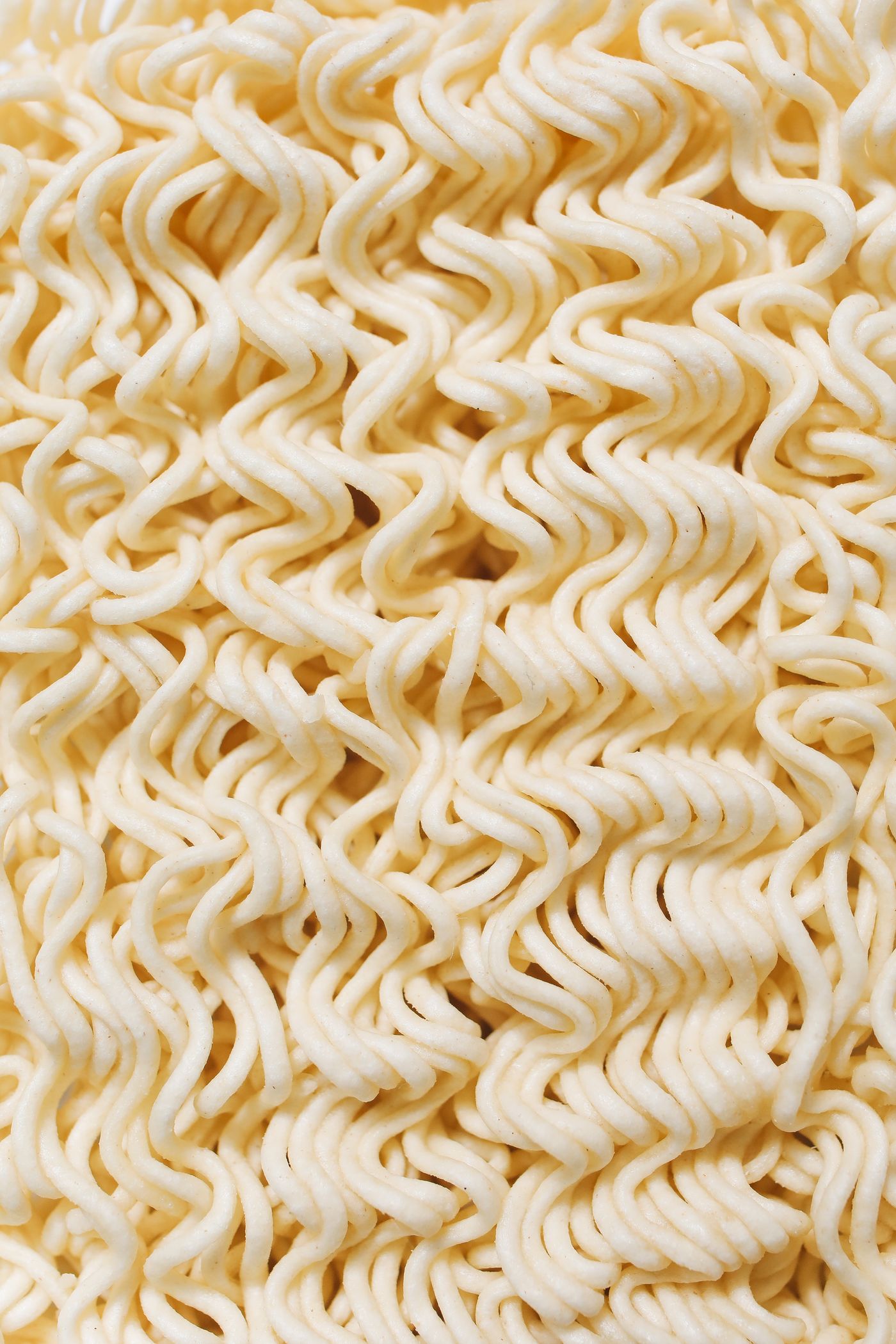
Why Instant Noodles Are a Problem for Cats
The seasoning packet carries most of the risk. Most flavors list salt, onion powder, garlic powder, dried green onion, sugar and oil. The Merck Veterinary Manual says dehydrated flakes, powders and dry soup mixes are the concentrated forms of onion most often linked to poisoning in cats and dogs, and the ASPCA says onion and garlic can damage red blood cells and lead to anemia. A cat that tears open a packet and licks the powder takes in that seasoning undiluted.
Salt is the other big concern. The broth from one packet is very salty for a small animal. The ASPCA says excess salt can cause increased thirst and urination, and that salt poisoning can lead to vomiting, diarrhea, depression, tremors and seizures.
The noodles themselves are a wheat dough that has usually been flash-fried, so they hold a fair amount of oil. The ASPCA notes that the oils and fats in nuts can cause vomiting, diarrhea and potentially pancreatitis in some pets, and the Cornell Feline Health Center lists excessive dietary fat among the factors associated with pancreatitis in cats. Spicy ramen adds chili oil, and some kinds come with a separate oil sachet.
Rinsing cooked noodles does not remove that oil.
Signs to Watch For
Salt acts within hours. The ASPCA lists thirst, frequent urination, vomiting and diarrhea, with tremors or seizures in serious cases. Onion and garlic act more slowly: Merck says signs of red blood cell damage usually show a few days later as tiredness, poor appetite, fast breathing, weakness, yellow gums and dark urine. Cornell lists lethargy, loss of appetite and dehydration among signs of pancreatitis.
What to Do If Your Cat Ate Instant Noodles
If your cat ate a strand or two of noodle with broth, give it fresh water and watch it. If it licked or ate the seasoning packet, drank the broth or ate a large amount, call your veterinarian or the ASPCA Animal Poison Control Center at (888) 426-4435 right away. Do not try to make your cat vomit unless a vet tells you to. Bring the wrapper so the vet can read what the packet contained.
If your cat has kidney disease, heart disease or another medical condition, ask your veterinarian before it eats any people food.
Common Questions
Can cats eat ramen noodles without the seasoning?
It is still not a good idea. Without the packet you avoid most of the salt and onion, but instant noodle blocks are usually fried, so they carry oil, and the starch gives a cat nothing it needs. The Cornell Feline Health Center lists excessive dietary fat among the factors associated with pancreatitis in cats. A strand or two is unlikely to matter.
What happens if my cat licks the ramen seasoning packet?
Call your veterinarian or the ASPCA Animal Poison Control Center at (888) 426-4435. The packet is concentrated salt with onion and garlic powder, and the Merck Veterinary Manual says powders are among the forms most often linked to onion poisoning in cats. Signs of red blood cell damage can take a few days, so a cat that looks fine still needs advice.
Can cats drink ramen broth?
No. Ramen broth is the seasoning packet dissolved in water, so it carries a lot of salt along with onion and garlic powder. The ASPCA says excess salt can cause thirst, frequent urination, vomiting and diarrhea, and in serious cases tremors or seizures. If your cat lapped up some broth, give fresh water and call your vet if it drank much.
Can cats eat plain cooked noodles?
A strand of plain boiled pasta or rice noodle is not a problem for most cats, but it is starch that a cat does not need. The Cornell Feline Health Center describes cats as obligate carnivores that rely on nutrients found in animal products. Instant noodles are different, because the block is usually fried and the flavor comes from the packet.
Can kittens eat instant noodles?
No. A kitten is small, so the salt in a little broth or a few seasoned noodles counts for much more than it would in an adult cat. The Cornell Feline Health Center says a cat's needs change with life stage, so a kitten should eat food labeled complete for growth. Call your vet if your kitten ate noodles or seasoning and seems unwell.