Can Cats Eat Instant Soup?
By Pettings · Sources checked Nov 2, 2026
No. Keep instant soup away from cats, along with canned soup, dry soup mixes and bouillon cubes or powder. These products are concentrated salt and flavor, and nearly all of them list onion powder, garlic powder or dried onion. The Merck Veterinary Manual names dry onion soup mixes among the forms of onion most often linked to poisoning in cats and dogs.
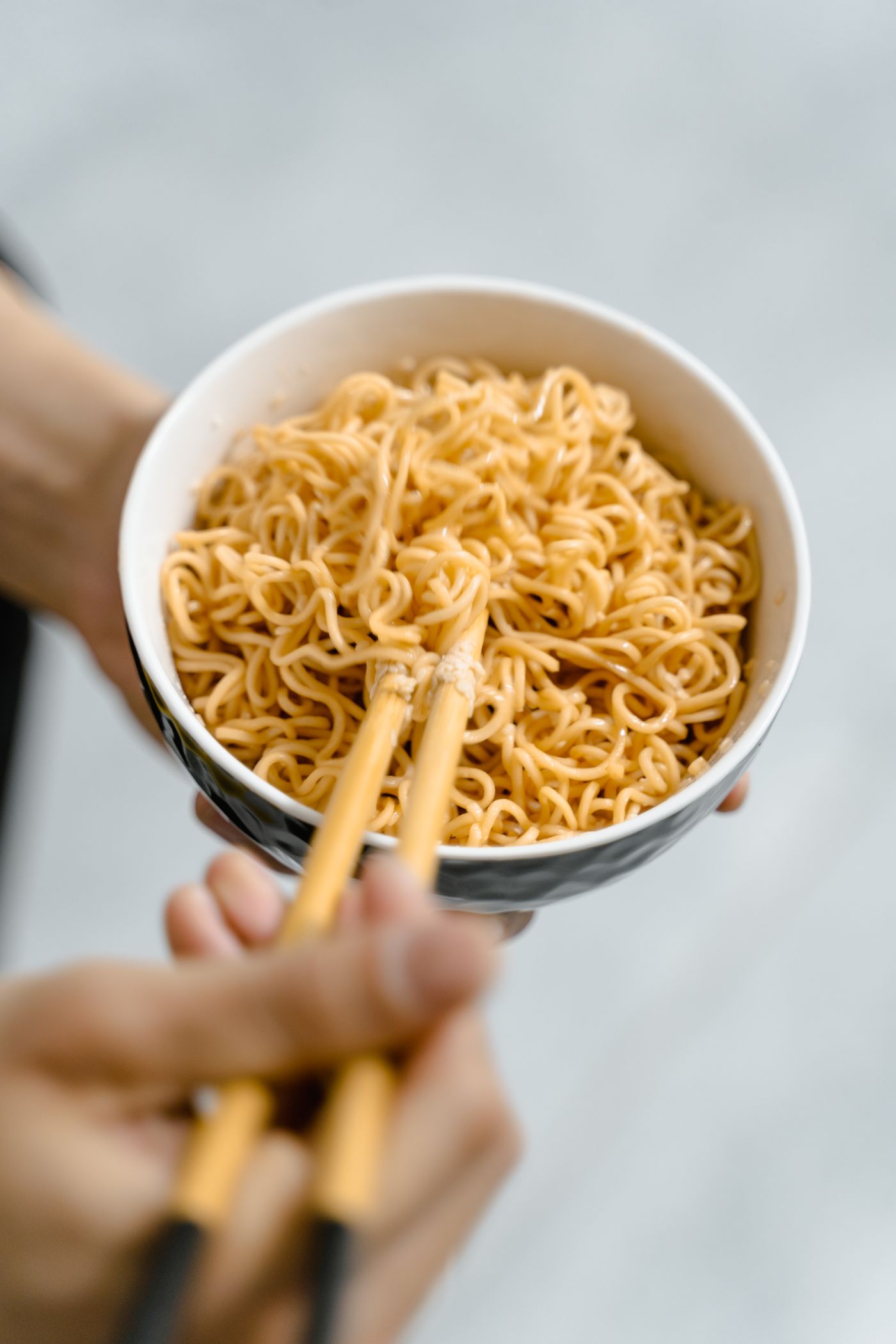
Why Instant Soup Is a Problem for Cats
The hidden onion is the main reason. A packet of soup mix, a bouillon cube or the flavor sachet in a cup of instant soup is mostly salt, dried vegetables, dried onion or onion powder, garlic, flavorings and fat. The Merck Veterinary Manual says cats are the species most susceptible to onion and garlic, and that dehydrated flakes, powders and dry onion soup mixes are the concentrated forms most often tied to cases. Cats have reacted to less than a teaspoon of cooked onion. The ASPCA says these vegetables can damage red blood cells and lead to anemia.
Salt is the second reason. Broth made from a cube or powder is very salty for its size. The ASPCA says excess salt can cause increased thirst and urination, and that salt poisoning can bring vomiting, diarrhea, depression, tremors and seizures. Dry bouillon powder is more concentrated than finished soup.
Canned soups raise the same issues. Most contain onion and salt, and cream soups add milk or cream. WSAVA notes that many cats are lactose intolerant.
People sometimes reach for broth to tempt a cat that will not eat. Store-bought broth and stock usually contain onion, garlic and salt too, so read the label, and ask your vet what to offer a cat with a poor appetite.
Signs to Watch For
Onion damage builds slowly. Merck says signs usually appear a few days after exposure and include tiredness, poor appetite, weakness, fast breathing, yellow gums, dark urine and collapse. Salt acts faster: the ASPCA lists thirst, frequent urination, vomiting and diarrhea, and in serious cases tremors or seizures.
What to Do If Your Cat Ate Instant Soup
If your cat licked soup mix, bouillon powder or a cube, or drank instant or canned soup, call your veterinarian or the ASPCA Animal Poison Control Center at (888) 426-4435 right away, even if it seems fine. Do not try to make your cat vomit unless a vet tells you to. Bring the packet, can or jar so the vet can read the ingredients and estimate the salt.
If your cat has kidney disease, heart disease or any other medical condition, ask your veterinarian before it eats or drinks anything outside its regular diet.
Common Questions
Can cats drink chicken broth from a can or carton?
Usually not. Most store-bought chicken broth and stock contain onion or garlic and a lot of salt. The Merck Veterinary Manual says cats are the most susceptible species to onion and garlic. Some pet stores sell broths made for cats, and a vet can suggest one. Plain water from cooking unseasoned chicken at home is another option.
Can cats eat bouillon cubes?
No. A bouillon cube is mostly salt with dried onion, garlic, fat and flavorings pressed together, so it is one of the most concentrated sources of both salt and onion in a kitchen. If your cat chewed or licked a cube, call your veterinarian or the ASPCA Animal Poison Control Center at (888) 426-4435 right away.
Can cats eat chicken noodle soup?
No. Canned and homemade chicken noodle soup are usually cooked with onion, garlic, celery and salt. The ASPCA says onion and garlic can damage red blood cells in pets and that cats are more susceptible than dogs. A few pieces of plain cooked chicken picked out of a soup still carry the broth, so cook a little chicken separately for your cat instead.
What happens if my cat licks soup mix powder?
Call your vet. Dry soup mix is concentrated, and the Merck Veterinary Manual names dry onion soup mixes among the forms of onion most often linked to poisoning in cats. Signs of red blood cell damage can take a few days to show, so a cat that looks normal at first still needs advice. Keep the packet for the vet.
Can sick cats have soup to help them eat?
Not soup made for people. Ask your veterinarian first, since a cat that stops eating, even for a day, needs attention, as the Cornell Feline Health Center notes about pancreatitis. Your vet can suggest a food or a broth made for cats that will not add onion, garlic or a load of salt to a cat that is already unwell.