Can Cats Eat Jalapenos?
By Pettings · Sources checked Nov 2, 2026
No. Keep jalapenos away from cats. Jalapenos and other hot peppers get their heat from capsaicin, the compound that makes chili peppers burn the mouth and stomach in people, and a cat has nothing to gain from it. We did not find a veterinary source that measures what capsaicin does to cats, so this advice rests on two points: hot peppers offer a cat no nutrition it needs, and the foods jalapenos come in usually carry salt, onion or garlic, which the ASPCA warns about.
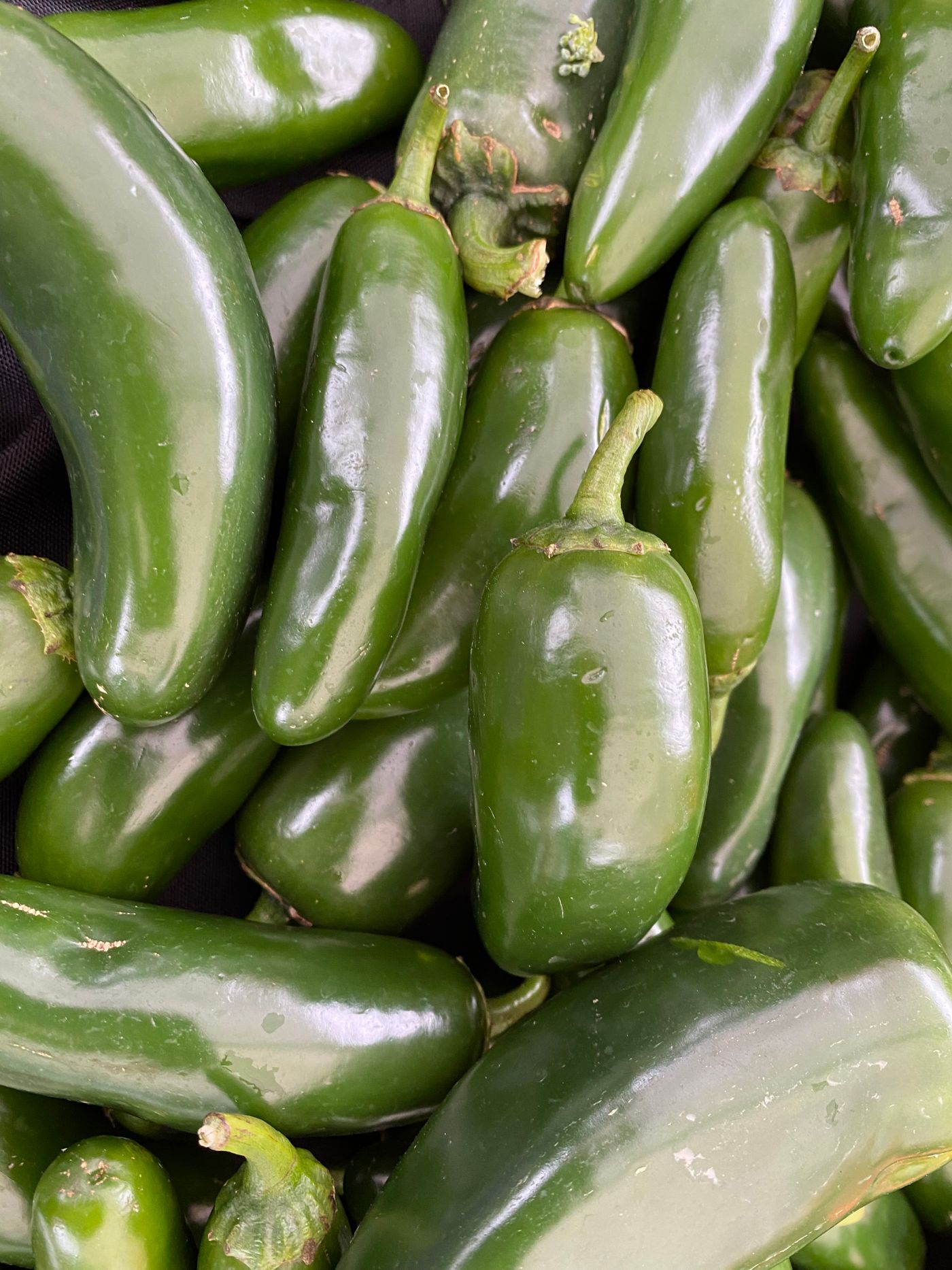
Why Jalapenos Are a Problem for Cats
Cats are obligate carnivores. A review in Nutrition Research Reviews links their high protein needs and their need for taurine, arginine and preformed vitamin A to a diet of animal tissue, so a pepper fills no gap. The heat itself is the reason people eat jalapenos, and a cat that bites one is getting that burn with no warning. The bigger concern is usually the rest of the dish. Pickled jalapenos sit in a salty brine, and the ASPCA warns that excess salt can cause increased thirst and urination and, depending on the amount, abnormal electrolyte levels. Salsa, hot sauce, nachos, chili and jalapeno poppers often include onion and garlic, which the ASPCA says can cause stomach irritation and red blood cell damage that may lead to anemia, with cats more susceptible than dogs. Poppers add cheese and bacon, and the ASPCA notes that dairy can cause diarrhea in pets. The same advice applies to serranos, habaneros, cayenne, chili flakes and other hot peppers and spice blends.
Signs to Watch For
No source we found lists signs for a cat that ate plain jalapeno. If your cat bit a pepper and then drools heavily, paws at its mouth, vomits or has diarrhea, call your vet. For salty jalapeno foods, the ASPCA lists vomiting, diarrhea, depression, tremors and seizures among the signs of too much salt. For dishes made with onion or garlic, the Merck Veterinary Manual lists lethargy, loss of appetite, fast breathing, weakness and dark urine, often a few days after the meal.
What to Do If Your Cat Ate Jalapenos
Call your veterinarian or the ASPCA Animal Poison Control Center at (888) 426-4435 if your cat ate more than a nibble or ate a dish with onion, garlic or a lot of salt. Do not try to make your cat vomit unless a vet tells you to. Offer fresh water, and bring the jar, package or recipe so the vet can see every ingredient.
If your cat has a medical condition or eats a special diet, ask your veterinarian which treats fit before sharing any human food.
Common Questions
Can cats eat spicy food?
It is better not to share spicy food with a cat. Spicy dishes rely on chili peppers for heat, and many also contain onion, garlic and salt. The ASPCA warns that onion and garlic can damage a cat's red blood cells and that too much salt can cause vomiting, diarrhea and tremors. Give your cat a plain bite of meat from before the seasoning went on instead.
What happens if my cat eats a hot pepper?
Watch your cat closely and call your veterinarian if it drools heavily, paws at its mouth, vomits or has diarrhea. We did not find a veterinary source that describes capsaicin effects in cats specifically. If the pepper came from salsa, a pickle jar or a cooked dish, the salt, onion or garlic may matter more, so tell the vet everything in it.
Can cats eat pickled jalapenos?
No. Pickled jalapenos combine the heat of the pepper with a salty brine, and the ASPCA says excess salt can cause increased thirst and urination and, in larger amounts, vomiting, diarrhea, depression, tremors and seizures. Many brines also include garlic or onion. Call your veterinarian if your cat ate several slices or drank the brine.
Can cats eat salsa?
No. Salsa almost always contains onion, and often garlic, along with salt and hot peppers. The ASPCA warns that onion and garlic can cause stomach irritation and red blood cell damage in pets, with cats more susceptible than dogs. If your cat ate salsa, call your veterinarian, since signs of red blood cell damage can take a few days to appear.
Do cats need any peppers in their diet?
No. Cats are obligate carnivores, and a review in Nutrition Research Reviews traces their high protein needs and their need for nutrients such as taurine and preformed vitamin A to a diet of animal tissue. A complete cat food covers those needs. If your cat seems interested in vegetables, a small piece of plain cooked bell pepper, which has no heat, is the better choice.