Can Cats Eat Kale?
By Pettings · Sources checked Nov 2, 2026
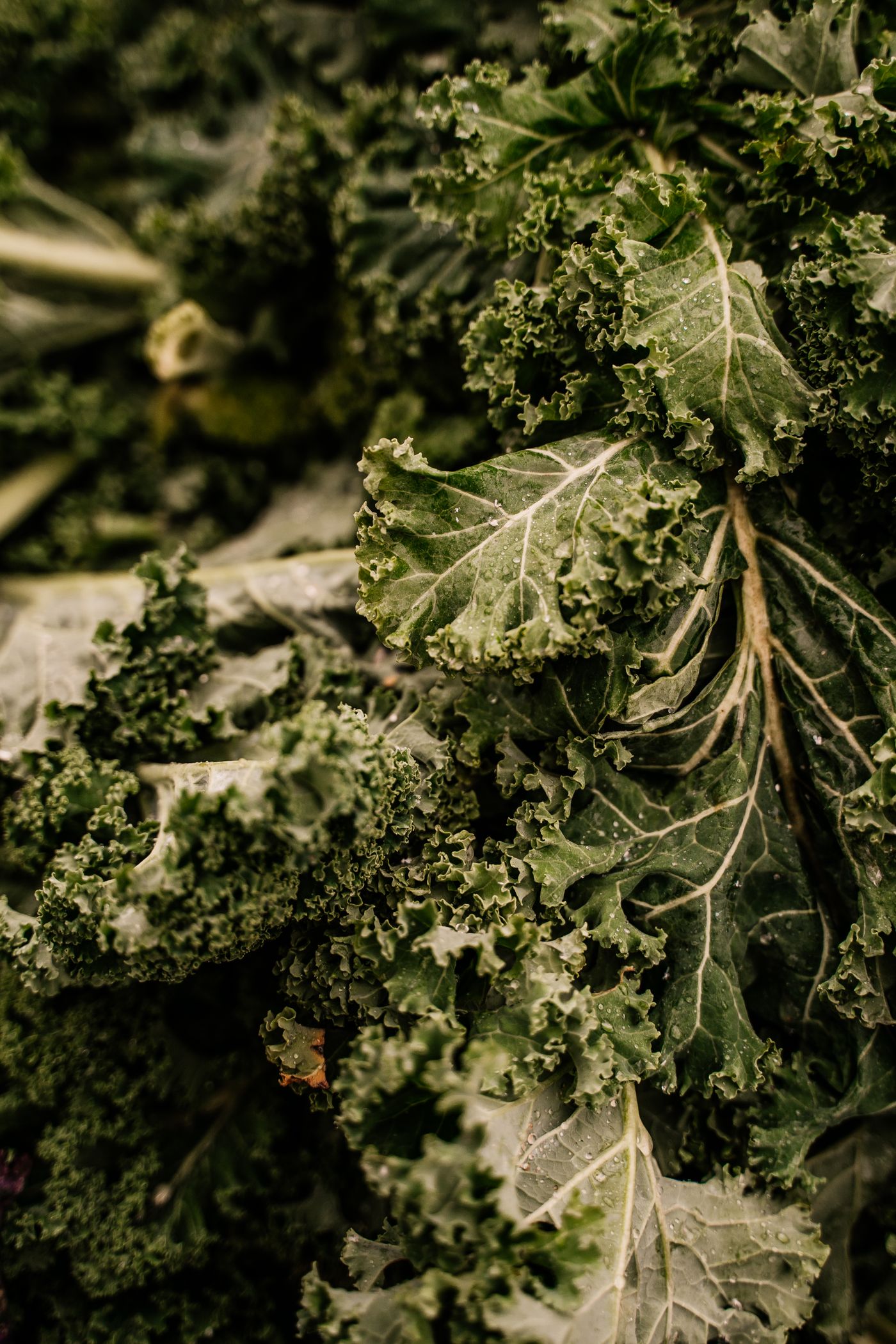
Kale is an occasional treat at most, and only a teaspoon or two of plain cooked kale, chopped very finely. Kale is a tough, fibrous leafy green, and the way people usually eat it, raw in salads or baked into seasoned chips, does not suit cats. Tufts Petfoodology lists close relatives such as cooked broccoli and cabbage among low-calorie pet treats, but kale's thick leaves make a small, well-cooked portion the sensible limit.
What Kale Offers a Cat
Kale is mostly water and fiber, with vitamins and minerals in amounts that matter far more for people than for cats. Its vitamin A comes as plant carotenoids, and Tufts Petfoodology explains that the enzyme needed to turn those into vitamin A is not very active in cats, so cat foods must include pre-made vitamin A. The Cornell Feline Health Center notes that cats are obligate carnivores that rely on nutrients from animal products. A complete cat food covers those needs, so kale is not a supplement.
Tufts also notes that the fiber in vegetables is variable and that too much fermentable fiber can cause gas and stomach discomfort. Tough, stringy kale leaves are more likely than soft vegetables to cause that.
How Much Kale Can a Cat Have?
WSAVA says treats should be less than 10% of daily calories, about 22 to 25 calories a day for a 10-pound adult cat. One or two teaspoons of finely chopped cooked kale adds only a few calories and fits inside that allowance. Count it as part of the day's food, and keep it occasional rather than daily.
Offer a pinch first and watch for gas, vomiting, or loose stool. Kittens, seniors, and cats with diabetes, kidney disease, urinary stones, pancreatitis, or food allergies should only have kale if their veterinarian agrees.
How to Serve It
Wash the leaves, strip them off the thick center stems, and steam or boil them until very soft. Let them cool and chop them as finely as you can, or mash them into a little wet food. Raw kale is chewy and harder for a cat to break down.
Keep it plain. Kale chips are usually coated in oil, salt, and seasonings, sometimes including garlic or onion powder, which the ASPCA lists as able to damage a cat's red blood cells. Kale salads come with dressing, cheese, and nuts. Kale smoothies and juices often contain fruit and sweeteners. Sauteed kale with garlic is out as well.
If your cat has a medical condition or eats a special diet, check with your veterinarian before offering kale.
Common Questions
Can cats eat raw kale?
Raw kale is not the best choice for cats because the leaves are tough and fibrous. A cat that nibbles a raw leaf is unlikely to have a serious problem, but large pieces can lead to vomiting or stomach upset. If you want to offer kale, steam it until very soft and chop it finely. Keep the amount to a teaspoon or two.
Can cats eat kale chips?
No, kale chips are not a good snack for cats. They are usually baked with oil, salt, and seasonings, and some include garlic or onion powder. The ASPCA warns that excessive salt can cause increased thirst and urination and lists garlic and onion as able to damage a cat's red blood cells. Offer a pinch of plain cooked kale instead if your cat likes greens.
Is kale good for cats?
Kale does not give cats anything they need from a complete cat food. Its vitamin A comes as plant carotenoids, and Tufts Petfoodology explains that cats convert those poorly and need pre-made vitamin A in their diet. A small amount of plain cooked kale is fine as an occasional nibble, but it is not a supplement. Cats are obligate carnivores and rely on animal-based nutrients.
Can kittens eat kale?
It is better not to give kale to kittens. A kitten's small stomach should be filled with complete kitten food that supports growth, and tough, fibrous greens are more likely to cause gas or stomach upset. If a kitten nibbles a leaf, watch for vomiting or loose stool. Ask your veterinarian before offering vegetables to a young kitten.
Can cats eat kale every day?
Daily kale is not recommended for cats. A teaspoon of cooked kale fits within WSAVA's guideline of keeping treats under 10% of daily calories, but its tough fiber can cause gas and stomach discomfort when eaten often. Kale also adds nothing a complete cat food lacks. Keep it as an occasional treat, and ask your vet if your cat has a medical condition.
Sources
- Tufts Petfoodology: Treat options for dogs and cats without unbalancing their diet
- Tufts Petfoodology: Fiber frustrations
- Tufts Petfoodology: Cats are not small dogs unique nutritional needs of cats
- Cornell Feline Health Center: Feeding your cat
- WSAVA: Feeding treats to your cat
- ASPCA: People foods avoid feeding your pets