Can Cats Eat Kefir?
By Pettings · Sources checked Nov 2, 2026
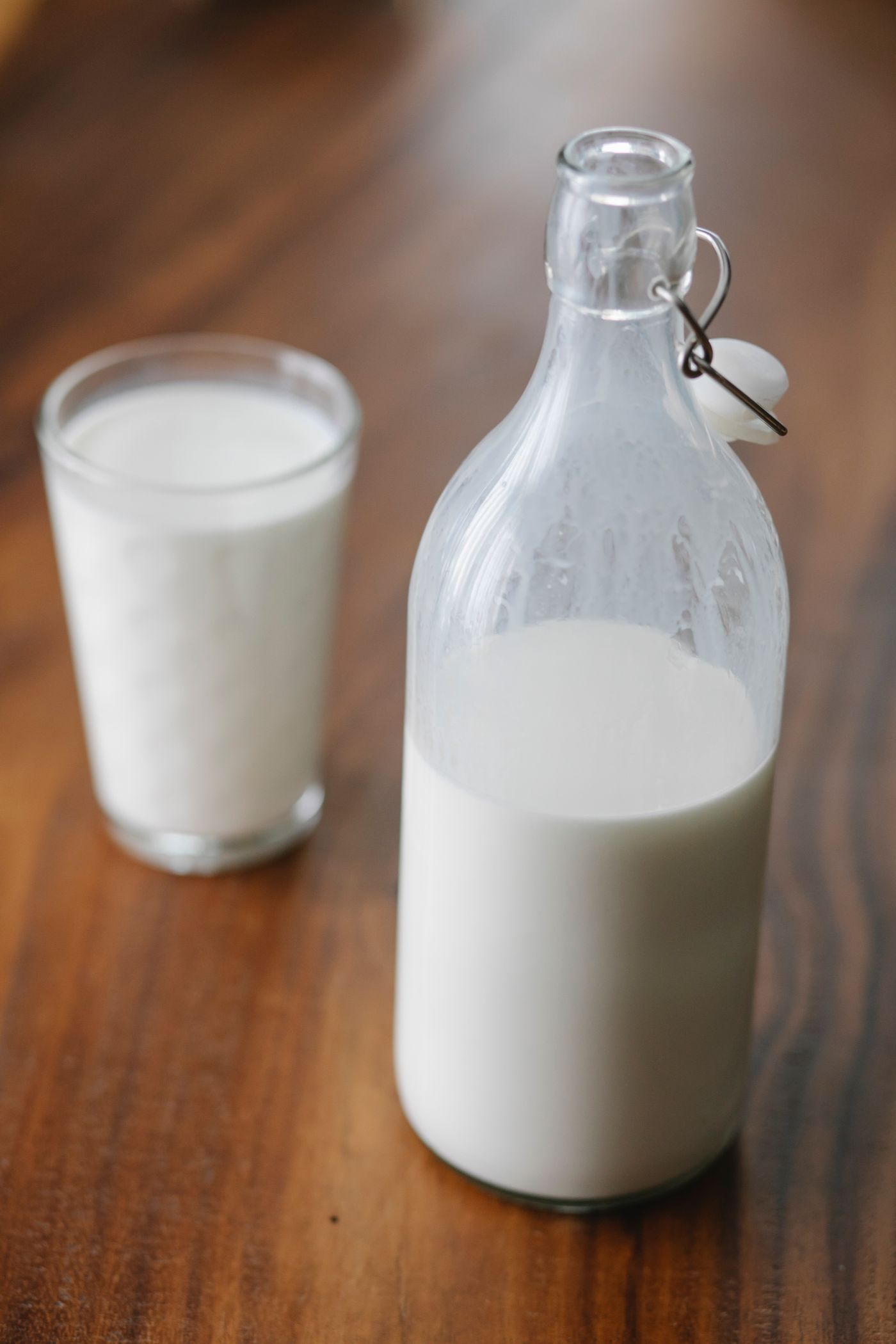
Kefir is an occasional treat at most, and only plain, unsweetened kefir in a teaspoon or two for an adult cat that tolerates dairy. Kefir is a fermented milk drink, so it still carries lactose. The ASPCA explains that pets do not have significant amounts of lactase, the enzyme that breaks down lactose, so dairy can upset digestion and lead to diarrhea.
What Kefir Offers a Cat
Kefir is milk that has been fermented with live cultures, so it holds milk protein and fat along with those microbes. Cats are obligate carnivores, and the Cornell Feline Health Center notes that they rely on nutrients found in animal products. A complete cat food already meets those needs, so kefir does not fill a gap in a cat's diet.
The live cultures are the main reason people think of kefir for pets. Tufts Petfoodology says there is no evidence that supplementing pets with human foods such as yogurt brings any benefit, and that probiotic results are often strain-specific. Kefir has not been shown to work any better. If your cat has a digestive problem, your veterinarian can recommend a probiotic made for cats with a known strain and dose.
How Much Kefir Can a Cat Have?
WSAVA says treats should be less than 10% of a cat's daily calories, or about 22 to 25 calories a day for a 10-pound adult cat. One to two teaspoons of plain kefir adds just a few calories and fits inside that allowance. Count it as part of that day's food rather than an extra.
Offer one teaspoon the first time, then watch the litter box for a day. If your cat gets soft stool or seems uncomfortable, stop. Kittens, seniors, and cats with diabetes, kidney disease, pancreatitis, urinary stones, or food allergies should only have kefir if their veterinarian agrees.
How to Serve It
Choose plain, unsweetened kefir made from pasteurized milk. The Merck Veterinary Manual's owner guide says raw dairy, including raw milk, should not be fed to cats, and some homemade or farm kefir starts with raw milk. Pass on fruit kefir and vanilla kefir, which carry added sugar, and check any light or sugar-free version for xylitol. The ASPCA warns that xylitol can cause low blood sugar and possible liver damage. Water kefir and coconut kefir are different products and offer a cat nothing.
Pour a teaspoon into a small dish, let your cat lap it, and rinse the dish once it is done.
If your cat has a medical condition or a special diet, check with your veterinarian before offering kefir.
Common Questions
Is kefir good for cats with diarrhea?
Kefir is not a proven treatment for diarrhea in cats, and the lactose in it can make loose stool worse. Tufts Petfoodology found no evidence that human foods such as yogurt bring probiotic benefits to pets, and kefir has the same limits. Probiotic effects are strain-specific, so a product made for cats is a better choice. If diarrhea lasts more than a day or comes with vomiting, call your veterinarian.
Does kefir have less lactose than milk?
Fermentation uses up some of the milk sugar, but kefir still contains lactose, so it is not lactose-free. That matters for cats because the ASPCA says pets lack significant amounts of lactase, the enzyme that digests lactose, and dairy can cause diarrhea. Some cats tolerate a teaspoon of kefir, while others react to any dairy. Start with a very small amount and stop if the stool turns soft.
Can kittens drink kefir?
Kefir is best avoided for kittens unless your veterinarian recommends it. Kittens need complete kitten food to grow, and a small stomach has little room for extras. Kefir contains lactose, which the Cornell Feline Health Center notes many cats cannot digest well, and diarrhea can dehydrate a young kitten quickly. If you are interested in probiotics for a kitten, ask your vet about a product made for cats.
Can cats drink raw milk kefir?
No, skip kefir made from raw milk. The Merck Veterinary Manual's owner guide says raw dairy products, including raw milk, should not be fed to cats. Fermentation does not reliably remove the bacteria raw milk can carry. If you offer kefir at all, buy plain, unsweetened kefir made from pasteurized milk and keep the amount to a teaspoon or two for an adult cat.
Can cats have kefir every day?
Daily kefir is not recommended for most cats. A teaspoon fits within WSAVA's guideline of keeping treats under 10% of daily calories, but kefir brings lactose each time and adds nothing a complete cat food is missing. As an occasional small treat, it is fine for a cat that handles dairy. For daily gut support, ask your veterinarian about a cat-specific probiotic instead.