Can Cats Eat Lasagna?
By Pettings · Sources checked Nov 2, 2026
No. Keep lasagna away from cats. Almost every lasagna has a tomato and meat sauce cooked with onion and garlic, layered with ricotta, mozzarella and parmesan. The ASPCA says onion and garlic can damage red blood cells in pets, and that cats are more susceptible than dogs.
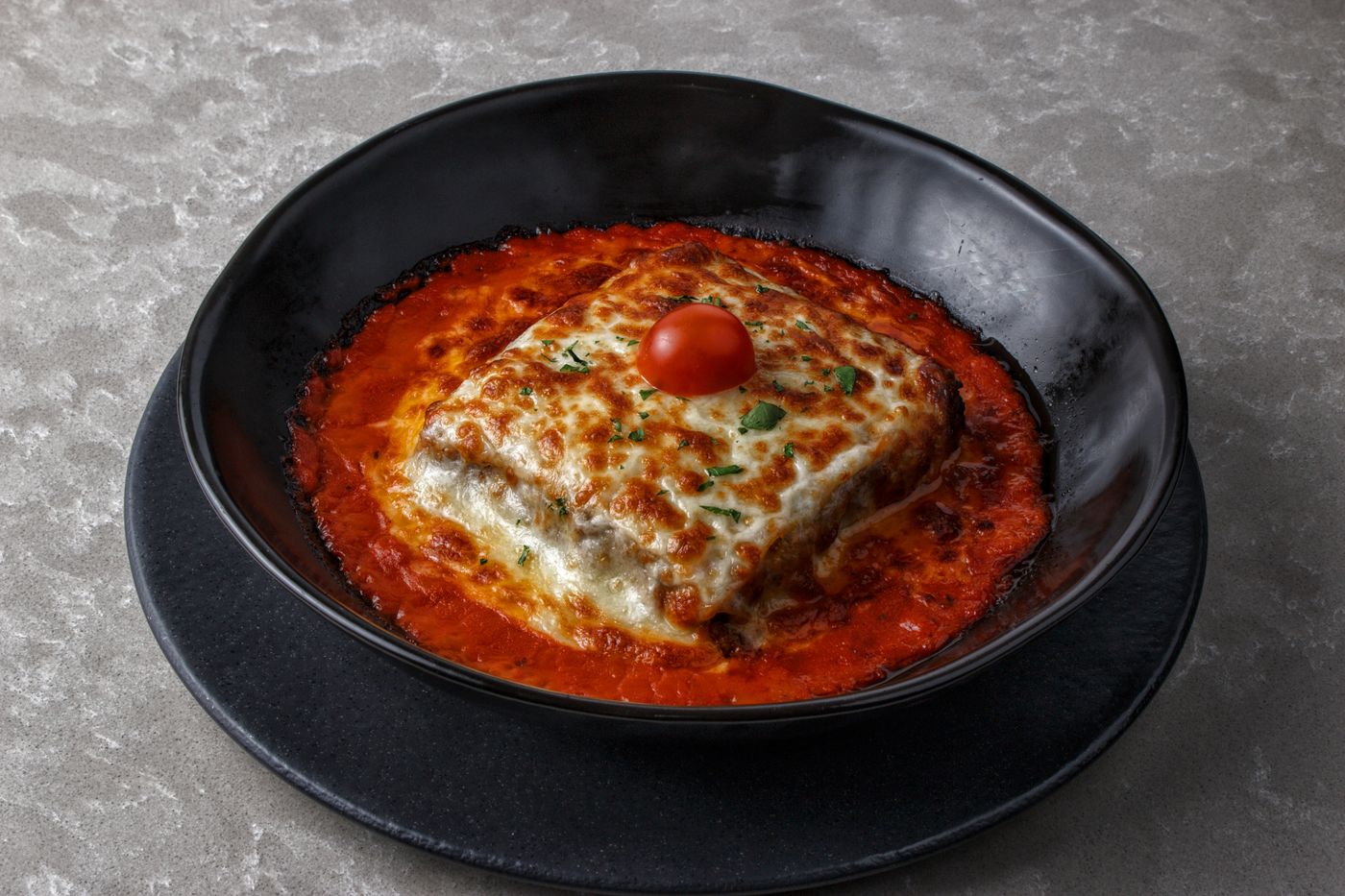
Why Lasagna Is a Problem for Cats
The sauce holds the hidden ingredients. Meat sauce for lasagna usually starts with chopped onion and garlic, and jarred sauces and Italian seasoning blends often add onion powder and garlic powder. Italian sausage, a common filling, is seasoned with garlic and salt. The Merck Veterinary Manual says cats are the species most susceptible to onion and garlic, and that cats have reacted to less than a teaspoon of cooked onion. The sauce soaks into every layer.
The cheese layers are next. Ricotta, mozzarella and parmesan bring lactose, fat and salt. The ASPCA says pets do not make much lactase, so dairy products can cause diarrhea or other digestive upset, and WSAVA notes that many cats are lactose intolerant.
Fat is high in a dish of ground beef or sausage and cheese. The ASPCA notes that the oils and fats in nuts can cause vomiting, diarrhea and potentially pancreatitis in some pets, and the Cornell Feline Health Center lists excessive dietary fat among the factors associated with pancreatitis in cats. Salt adds to it, and the ASPCA warns that too much salt can bring thirst, vomiting and, in serious cases, tremors or seizures.
Vegetable and white lasagnas skip the meat but still use onion, garlic and plenty of cheese, often in a cream sauce. Frozen lasagna is often saltier. The pasta sheets themselves are just starch, which a cat does not need.
Signs to Watch For
Dairy and fat can cause diarrhea and vomiting within hours. Onion and garlic work more slowly. Merck says signs of red blood cell damage usually appear a few days after the meal, including tiredness, poor appetite, fast breathing, weakness, yellow gums and dark urine. Cornell lists lethargy, loss of appetite and dehydration among signs of pancreatitis.
What to Do If Your Cat Ate Lasagna
Call your veterinarian or the ASPCA Animal Poison Control Center at (888) 426-4435 right away, and say how much your cat ate. Even a small portion can carry onion and garlic from the sauce, and the damage may not show for a few days. Do not try to make your cat vomit unless a vet tells you to. Bring the box, the sauce jar or the recipe so the vet knows the ingredients.
If your cat has pancreatitis, kidney disease or another medical condition, ask your veterinarian before it eats any people food.
Common Questions
What happens if my cat eats lasagna?
Your cat may get diarrhea or vomit from the cheese and fat, and the onion and garlic in the sauce can damage red blood cells over the next few days. The Merck Veterinary Manual says cats have reacted to less than a teaspoon of cooked onion. Call your veterinarian for advice even if your cat seems normal.
Can cats eat ricotta cheese?
Not as a regular food. Ricotta is soft and mild, but it still contains lactose, and WSAVA notes that many cats are lactose intolerant. If you want to share dairy, WSAVA lists 2 percent cottage cheese at about 25 calories per ounce, so about 1 tablespoon is a treat portion. Ricotta from a lasagna also carries sauce.
Can cats eat the meat from lasagna?
No. The meat in lasagna is cooked in a sauce made with onion and garlic, and it often includes seasoned sausage. The ASPCA says onion and garlic can cause red blood cell damage and anemia in pets, and that cats are more susceptible. Cook a little plain ground beef or chicken separately if you want to share meat.
Can cats eat vegetable lasagna?
No. Vegetable lasagna usually uses onion and garlic in the sauce or the filling, plus several cheeses. Spinach and zucchini do not cancel those out. The Merck Veterinary Manual says cats are the species most susceptible to onion and garlic, so treat vegetable lasagna the same as the meat kind.
Can cats eat lasagna noodles?
A plain cooked noodle is just starch and unlikely to cause trouble, but noodles from a baked lasagna are soaked in sauce and cheese. The Cornell Feline Health Center describes cats as obligate carnivores, so pasta offers them nothing they need. Keep the pan covered while it cools.