Can Cats Eat Mac and Cheese?
By Pettings · Sources checked Nov 2, 2026
No. Keep mac and cheese away from cats. The dish is pasta in a sauce of cheese, milk and butter, and it is salted. Boxed macaroni and cheese uses a cheese powder made from dried cheese, whey, milk and salt, and many homemade and restaurant recipes add onion or garlic powder.
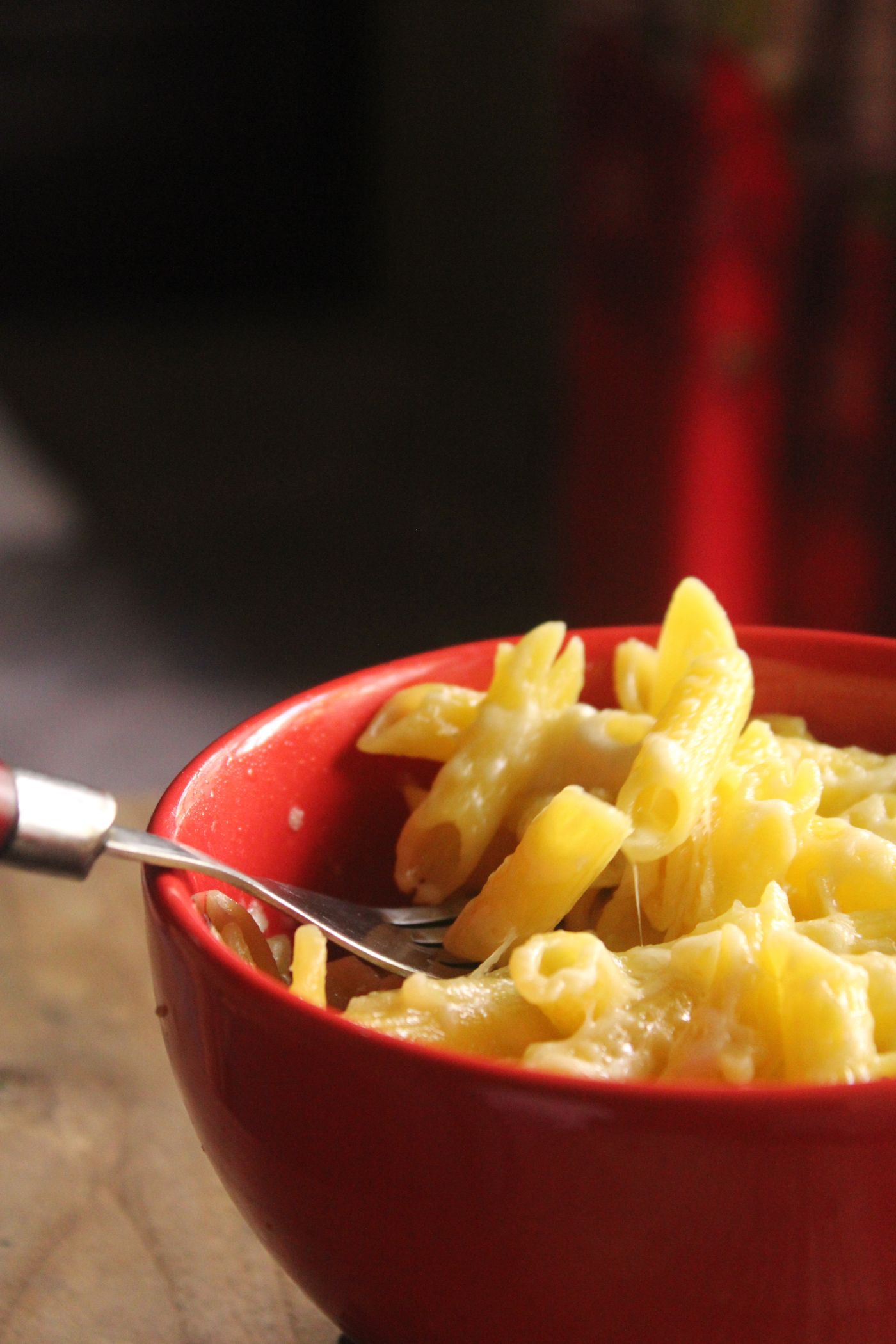
Why Mac and Cheese Is a Problem for Cats
Dairy is the main issue. The ASPCA says pets do not make much lactase, the enzyme that breaks down milk sugar, so milk and dairy products can cause diarrhea or other digestive upset. WSAVA notes that many cats are lactose intolerant. The milk, the cheese and the whey in a boxed sauce mix all add lactose.
Fat and calories come with it. Cheese is rich, and butter goes into most versions. WSAVA lists cheddar at about 120 calories per ounce, which is far beyond what a 10-pound cat should get from treats in a day. The ASPCA notes that the oils and fats in nuts can cause vomiting, diarrhea and potentially pancreatitis in some pets, and the Cornell Feline Health Center lists excessive dietary fat among the factors associated with pancreatitis in cats.
Salt is high in processed cheese and in the powder packet. The ASPCA says too much salt can cause increased thirst and urination, and in serious cases vomiting, tremors and seizures.
Baked mac and cheese often includes onion powder, garlic powder or mustard powder, and some get a buttered breadcrumb top. The Merck Veterinary Manual says cats are the species most susceptible to onion and garlic, and that powders are among the forms most often linked to poisoning.
Signs to Watch For
After a dairy-heavy dish, the ASPCA describes diarrhea and other digestive upset, and fatty foods can add vomiting. Cornell lists lethargy, loss of appetite and dehydration among signs of pancreatitis. If onion or garlic powder was in the recipe, Merck says red blood cell damage usually shows a few days later as tiredness, weakness, fast breathing, yellow gums or dark urine.
What to Do If Your Cat Ate Mac and Cheese
If your cat licked a little cheese sauce, keep fresh water out and watch for vomiting or diarrhea. If it ate a larger amount, or the recipe had onion, garlic or other seasonings, call your veterinarian or the ASPCA Animal Poison Control Center at (888) 426-4435 right away. Do not try to make your cat vomit unless a vet tells you to. Bring the box or tell the vet what went into the recipe.
If your cat has pancreatitis, a food allergy or any other medical condition, ask your veterinarian before it eats any people food.
Common Questions
Can cats eat boxed macaroni and cheese?
No. The powder in a boxed mix is dried cheese, whey, milk solids and salt, and you usually stir it into butter and milk. That adds up to lactose, fat and salt. The ASPCA says dairy can cause diarrhea in pets because they lack enough lactase. A noodle or two may not cause trouble, but do not share a bowl.
What happens if my cat eats mac and cheese?
Most likely a soft stool or diarrhea, since the ASPCA says dairy and fatty foods can upset a pet's stomach. A large serving can lead to vomiting, and the Cornell Feline Health Center lists excessive dietary fat among factors associated with pancreatitis. If the recipe had onion or garlic powder, call your veterinarian.
Can kittens eat mac and cheese?
No. Kittens are small, so the fat and salt in a spoonful count for more, and many cats are lactose intolerant, as WSAVA notes. A growing kitten needs food labeled complete for growth, not a pasta dish. If your kitten ate some and has diarrhea or vomiting, call your veterinarian, since young kittens can dehydrate quickly.
Why does my cat love mac and cheese?
Cats are drawn to the smell of fat and milk protein. The Cornell Feline Health Center describes cats as hunters built for a diet high in protein with moderate fat, so a cheesy dish smells inviting. That does not mean it suits them. A bite of plain cooked chicken satisfies the same interest without lactose or salt.
Can cats eat plain macaroni noodles?
A plain boiled noodle or two is unlikely to cause trouble, but it gives a cat only starch. The Cornell Feline Health Center describes cats as obligate carnivores that rely on nutrients found in animal products. Noodles pulled from mac and cheese are coated in sauce, so they still carry the dairy and salt.