Can Cats Eat Mayonnaise?
By Pettings · Sources checked Nov 2, 2026
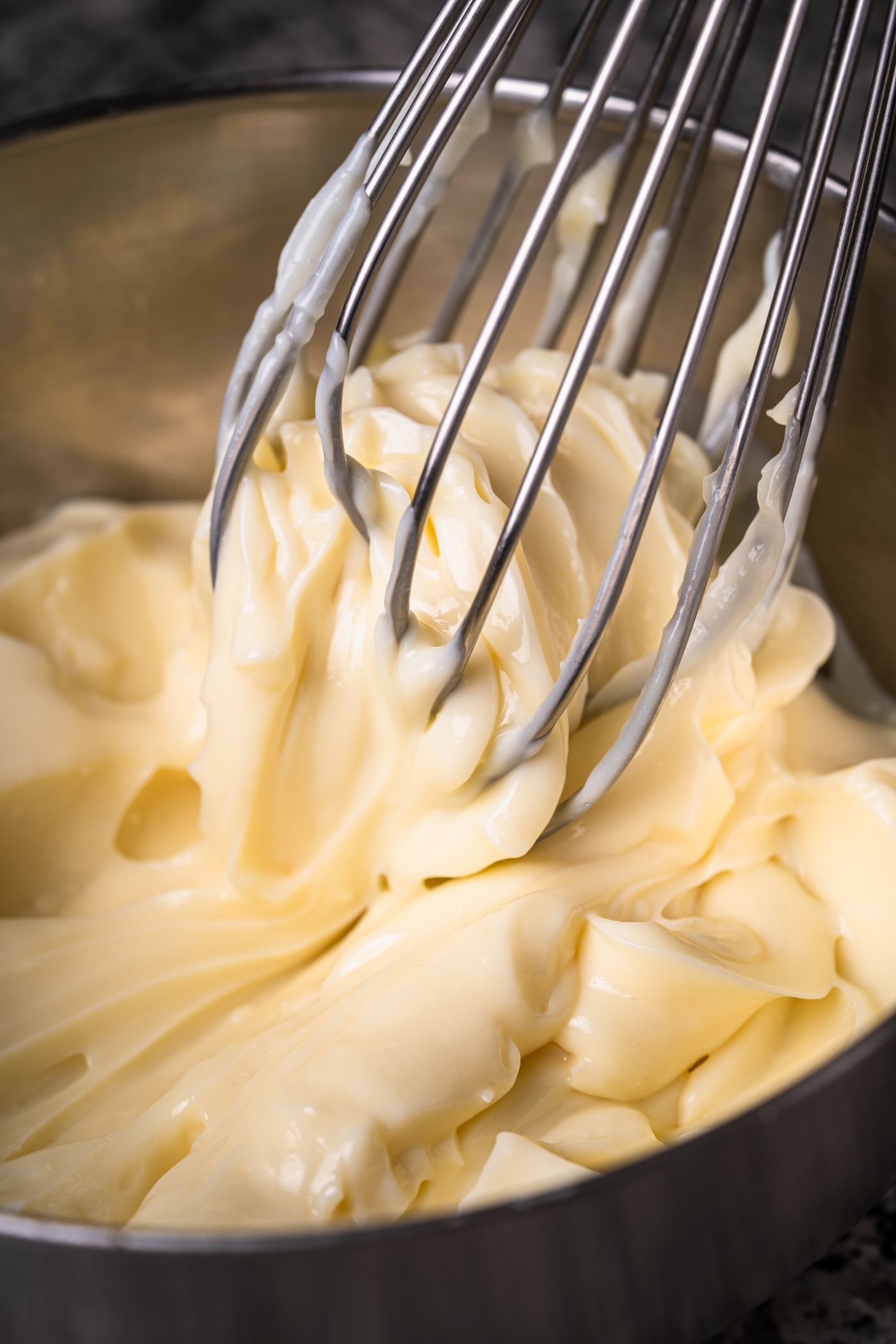
No. Keep mayonnaise away from cats. Mayonnaise is mostly oil, and many cats will happily lick it, but it gives a cat nothing that its food does not already provide. A small spoonful adds a large load of fat and calories, and flavored versions can hide garlic.
Why Mayonnaise Is a Problem for Cats
The World Small Animal Veterinary Association (WSAVA) says treats should make up less than 10 percent of a cat's daily calories. For a 10-pound adult cat that comes to roughly 22 to 25 treat calories a day. Check the nutrition label on a jar of regular mayonnaise and you will see that a single tablespoon lists several times that amount. WSAVA also notes that some common human foods can exceed a cat's whole daily treat allowance in one serving, and mayonnaise is a clear example.
Rich, oily foods can upset a cat's stomach. The ASPCA warns that foods high in oils and fats, such as some nuts, can cause vomiting and diarrhea and potentially pancreatitis in pets. Cats that get regular fatty extras also tend to gain weight.
Many mayonnaise-based foods add ingredients cats should not have. Aioli and garlic mayo contain garlic, and the Merck Veterinary Manual says cats are the species most sensitive to garlic and onion. Ranch-style dips, tartar sauce, coleslaw dressing and sandwich spreads often add onion, garlic powder, pickles and salt. Tuna salad and chicken salad usually include onion or celery seed mixes. Homemade mayonnaise is made with raw egg, and WSAVA lists raw animal-based treats among the extras to be careful with.
Signs to Watch For
A lick of plain mayonnaise is unlikely to cause trouble. A larger amount may bring vomiting or diarrhea, according to the ASPCA's description of high-fat foods. Watch for repeated vomiting, a hunched posture, belly pain, hiding or refusing food, which can point to a more serious stomach problem. If the mayo contained garlic or onion, the Merck Veterinary Manual describes lethargy, weakness, fast breathing, yellow gums and dark urine a few days later.
What to Do If Your Cat Ate Mayonnaise
If your cat ate more than a lick, or ate a garlic or onion version, call your veterinarian or the ASPCA Animal Poison Control Center at (888) 426-4435 right away. Do not try to make your cat vomit unless a veterinarian tells you to. Bring the jar or the recipe so the vet can see the ingredients. Note roughly how much is missing.
If your cat has a medical condition or eats a special diet, ask your veterinarian before sharing any fatty food.
Common Questions
Is mayonnaise bad for cats?
Mayonnaise is not a treat to share. It is mostly oil, and one tablespoon carries several times the 22 to 25 treat calories the World Small Animal Veterinary Association gives for a 10-pound cat. Fatty foods can cause vomiting and diarrhea. A lick from a plate is unlikely to cause trouble, but do not offer it on purpose.
Can cats eat tuna with mayo?
Plain tuna in water is the better choice. Tuna salad usually adds mayonnaise, onion, celery and seasonings, and the Merck Veterinary Manual says cats are the species most sensitive to onion. Rinse a small flake of plain tuna instead. The World Small Animal Veterinary Association lists 1 ounce of canned tuna in water at about 36 calories, so a teaspoon or two is plenty.
Can cats eat aioli or garlic mayo?
No. Aioli and garlic mayonnaise contain garlic, and the Merck Veterinary Manual says garlic is three to five times more potent than onion, with cats the most sensitive species. Damage to red blood cells may not show for a few days. If your cat ate aioli, call your veterinarian or the ASPCA Animal Poison Control Center at (888) 426-4435.
Why does my cat love mayonnaise?
Many cats like fat, and mayonnaise is mostly oil with a rich smell. That appeal does not make it a fit treat. The fat and calories add up fast for a small cat, and the ASPCA warns that high-fat foods can cause vomiting, diarrhea and potentially pancreatitis in pets. Offer a flake of plain cooked chicken instead.
Can mayonnaise help a cat with hairballs?
We found no veterinary research showing mayonnaise helps with hairballs, and the fat can cause vomiting and diarrhea. Frequent hairballs or vomiting deserve a veterinary visit, since they can point to digestive disease or overgrooming. Regular brushing helps reduce swallowed hair. Ask your veterinarian about hairball products made for cats.