Can Cats Drink Milk?
By Pettings · Sources checked Nov 2, 2026
No. Keep milk away from cats, even though a saucer of milk is a familiar picture. The ASPCA explains that pets do not have significant amounts of lactase, the enzyme that breaks down lactose in milk, so dairy tends to upset their digestion and often causes diarrhea. The Cornell Feline Health Center agrees that milk is not generally recommended as a treat because many cats are lactose intolerant.
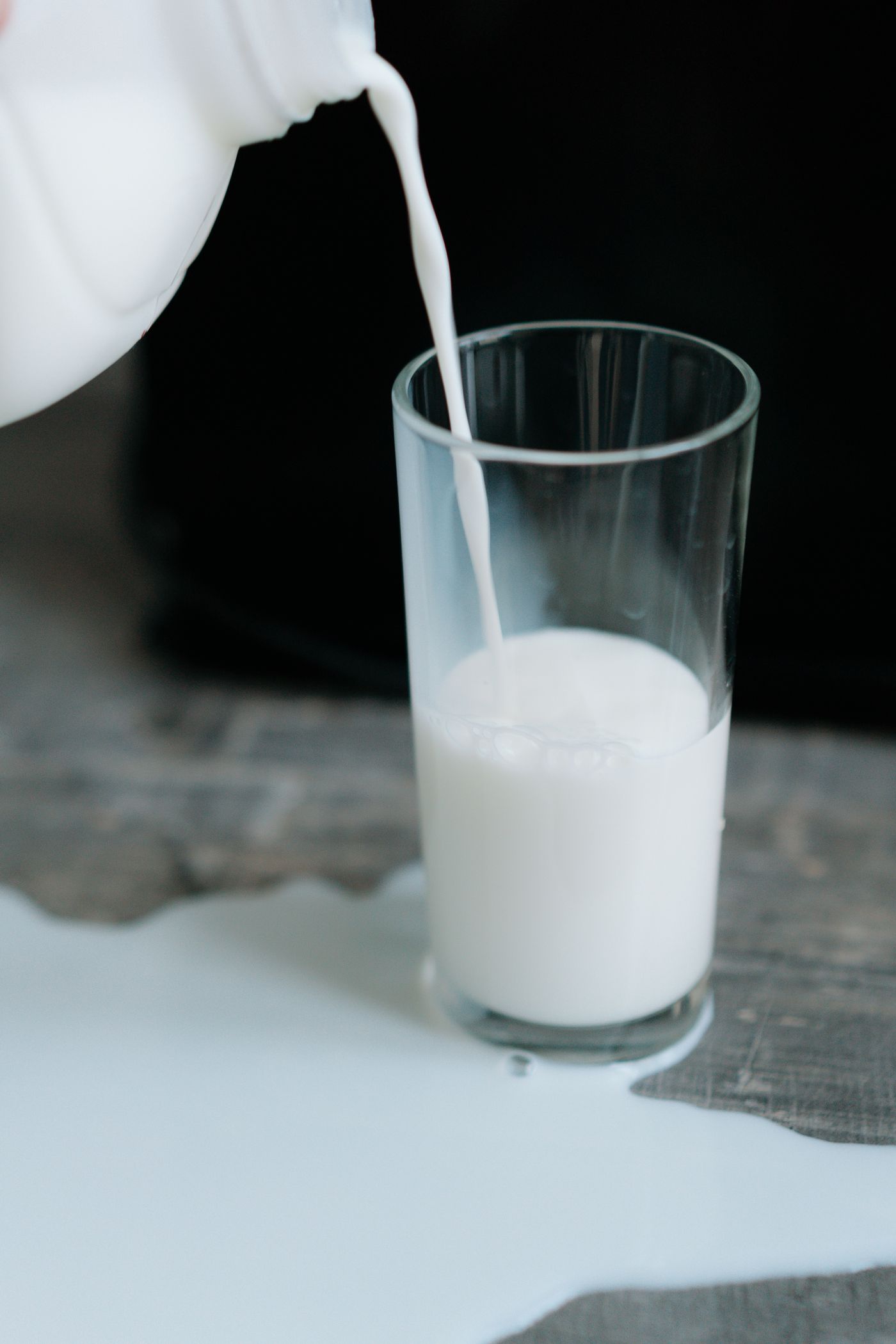
Why Milk Is a Problem for Cats
Cow's milk carries lactose, a sugar that lactase has to split before the body can absorb it. Without enough of that enzyme, the lactose stays in the gut, and loose stool follows. WSAVA's guide to feeding treats to cats lists milk and dairy products among the foods to avoid for exactly this reason. The Merck Veterinary Manual's owner guide says milk can upset a cat's stomach and that raw milk should not be fed to cats at all.
Calories are a second issue. WSAVA puts 2 fluid ounces of semi-skimmed (2%) cow's milk at 27 calories. That is more than the whole daily treat allowance of about 22 to 25 calories for a 9 to 11 pound adult cat, so a full saucer pushes out food the cat actually needs.
Milk also hides in leftover cereal and milky coffee, and coffee adds caffeine on top.
Signs to Watch For
The ASPCA describes digestive upset, most often diarrhea, as the typical result when a pet takes in dairy. Merck describes milk as something that can upset a cat's stomach. Over the next day, check the litter box for soft stool and see whether your cat eats normally. A cat that vomits, stops eating, or has diarrhea that keeps going needs a call to the vet.
What to Do If Your Cat Drank Milk
A few laps of plain milk usually need nothing more than watching the litter box. If your cat shows any of the signs above, call your veterinarian. Do not try to make your cat vomit unless a vet tells you to. If the drink had coffee or chocolate in it, call your veterinarian or the ASPCA Animal Poison Control Center at (888) 426-4435 right away, since WSAVA lists chocolate and caffeinated drinks among foods toxic to cats.
A kitten that still needs milk should get a milk replacer made for kittens rather than cow's milk, and your veterinarian can tell you which one and how much. For a cat with a medical condition or a special diet, ask your veterinarian before offering any dairy.
Common Questions
Can kittens drink cow's milk?
No, kittens should not be given cow's milk. Nursing kittens drink their mother's milk, and an orphaned kitten needs a milk replacer formulated for kittens, which your veterinarian can recommend along with the right amount. Once kittens are weaned, the Cornell Feline Health Center notes that many cats are lactose intolerant, so cow's milk can lead to diarrhea. Fresh water is the drink a weaned kitten needs.
Can cats drink lactose-free milk?
Lactose-free milk removes the lactose problem, but it is still not a drink cats need. The ASPCA's warning about dairy centers on lactose, so lactose-free milk is less likely to cause diarrhea. It still carries calories, though: WSAVA counts 27 calories in 2 fluid ounces of semi-skimmed milk, more than a 10-pound cat's daily treat allowance. If you offer any, keep it to a teaspoon or two and count it as part of that day's food.
Why do cats like milk so much?
Many cats seem to like the fat and protein in milk, which come from an animal source, the kind of food cats are built to eat. Liking a food does not mean the gut can handle it. The ASPCA explains that pets do not produce significant amounts of lactase, the enzyme that digests milk sugar, so a cat can enjoy a saucer of milk and still end up with diarrhea a few hours later.
What happens if my cat drinks milk?
Most often, a cat that drinks milk gets diarrhea or an upset stomach. The ASPCA says pets do not have significant amounts of lactase, so the lactose in milk passes through undigested and upsets digestion. A few laps may cause nothing you notice, while a full saucer is more likely to cause loose stool. Call your veterinarian if your cat vomits, stops eating, or has diarrhea that does not settle.
Can cats drink raw milk?
No, cats should not drink raw milk. The Merck Veterinary Manual's guide for cat owners says raw meat and dairy products, including raw milk, should not be fed to cats. Raw milk carries the same lactose as pasteurized milk, so it can cause diarrhea, and it has not been heated to kill bacteria. If your cat drank raw milk and seems unwell, call your veterinarian and mention that the milk was unpasteurized.
Sources
- ASPCA: People foods avoid feeding your pets
- Cornell Feline Health Center: Feeding your cat
- WSAVA: Feeding treats to your cat
- Merck Veterinary Manual: Proper nutrition for cats
- USDA: Energy content of common foods
