Can Cats Eat Mussels?
By Pettings · Sources checked Nov 2, 2026
Mussels are an occasional treat at most, and only when they are fully cooked, plain and taken out of the shell. The same goes for clams and oysters. Shellfish is often eaten raw or steamed in garlic, butter and wine, and none of that suits a cat. The Merck Veterinary Manual also notes that thiaminases, enzymes that break down vitamin B1, are found in raw clams and are destroyed by cooking.
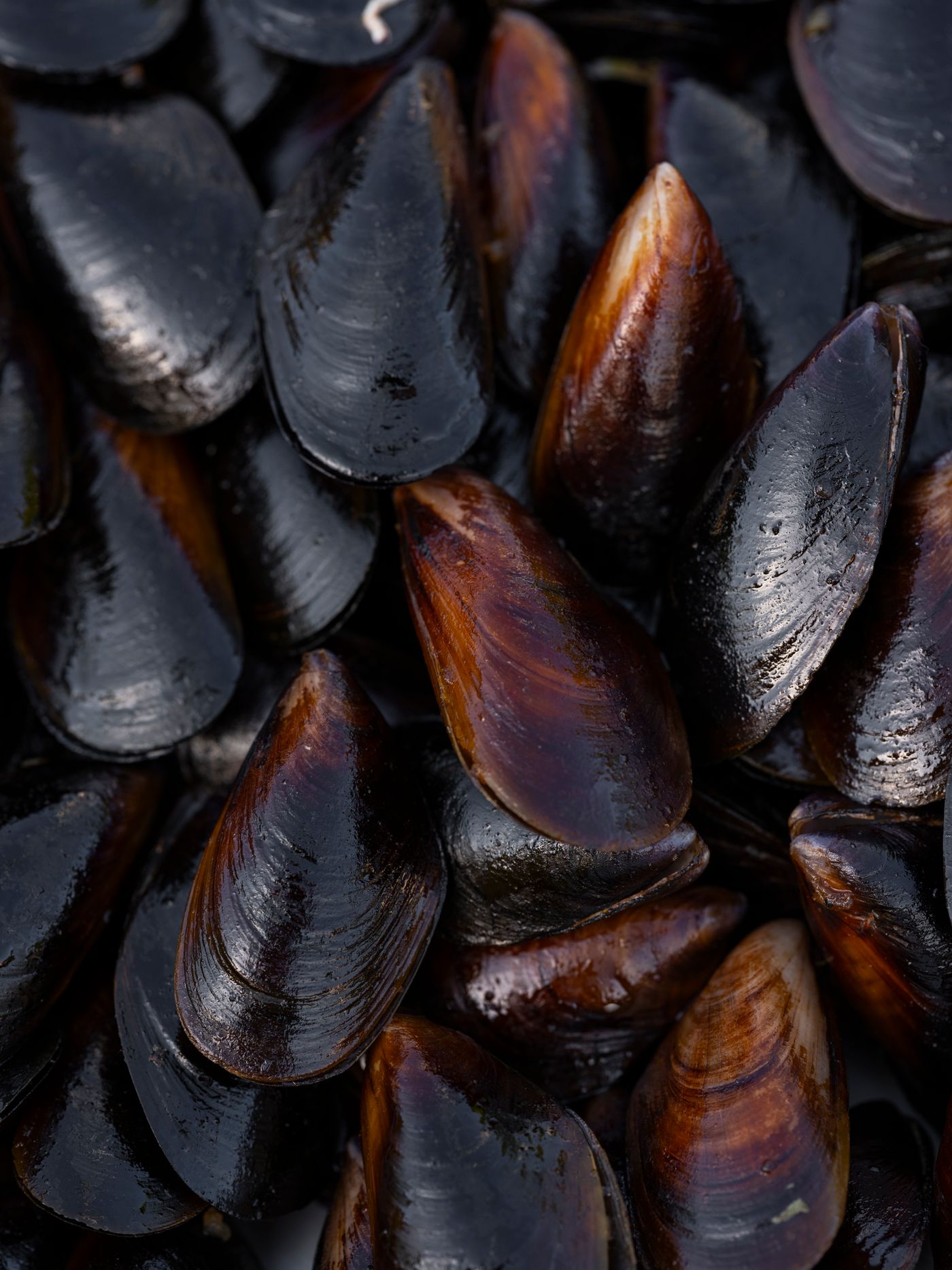
What Mussels Offer a Cat
Mussels, clams and oysters provide animal protein with little fat. A cat on a complete diet does not need anything from them, so they are a novelty and not a source of nutrition. FDA advice for people lists clams and oysters among the lowest-mercury seafood. Shellfish is not one of the foods the Merck Veterinary Manual names as a common cat allergen, but any new protein can cause a reaction. Merck says itching directed at the head and neck is fairly common in cats with food allergies.
How Much Mussel Can a Cat Have?
WSAVA advises keeping treats under 10% of a cat's daily calories, which is roughly 22 to 25 treat calories a day for a 10-pound adult cat. USDA lists oysters cooked with moist heat at 87 calories per 3 ounces, about 29 per ounce, but we could not confirm a figure for cooked mussels or clams. Keep the serving to about 1/4 ounce (7 grams) of cooked meat, which adds only a few calories, and take it out of the day's regular food. Kittens, seniors and cats with diabetes, kidney disease, urinary stones, pancreatitis or food allergies should only get shellfish with the vet's approval.
How to Serve It
Steam or boil mussels or clams in plain water until the shells open, and throw away any that stay shut. Pull the meat out, remove the stringy beard on mussels, and chop it small. Never share raw oysters or raw clams. Merck lists thiaminase in raw clams, and the ASPCA warns that raw animal foods can carry bacteria such as Salmonella and E. coli. Keep shells away from your cat. Skip mussels steamed in white wine and garlic, since the ASPCA lists both alcohol and garlic among foods pets should not eat. Fried clams, clam chowder and oysters baked with butter or cheese carry fat, dairy and salt. Canned smoked oysters are salty and oily. Green-lipped mussel supplements are a separate product and should only be used if a veterinarian recommends them.
If your cat has a medical condition or eats a special diet, ask your veterinarian before sharing any shellfish.
Common Questions
Can cats eat raw oysters?
No, raw oysters are not recommended for cats. The ASPCA warns that raw animal foods can carry bacteria such as Salmonella and E. coli that can sicken pets and people. If you want to share an oyster, cook it plainly with moist heat and offer a small chopped piece without the shell, sauce or butter.
Can cats eat clams?
Cats can have a small piece of plain cooked clam as an occasional treat. Never give raw clams. The Merck Veterinary Manual notes that thiaminases, enzymes that destroy vitamin B1, are found in raw clams and are destroyed by cooking. Skip fried clams and clam chowder, which carry batter, fat, dairy and salt, and remove the shells completely.
Can cats eat mussels cooked in garlic and wine?
No, mussels cooked in garlic and wine are not suitable for cats. The ASPCA lists garlic and alcohol among foods pets should not eat, and the sauce soaks into the meat. If your cat ate a piece, watch for vomiting, weakness or unusual behavior, and call your veterinarian or the ASPCA Animal Poison Control Center at (888) 426-4435 if you are concerned.
Are green-lipped mussel supplements okay for cats?
Green-lipped mussel supplements should only be given if your veterinarian recommends a specific product and dose. These are concentrated supplements, not food, and they are different from sharing a cooked mussel. Ask your veterinarian before giving any supplement to your cat.
Can kittens eat mussels or other shellfish?
Kittens do not need shellfish, and it is best to wait and ask your veterinarian before offering any. Kittens need a complete growth diet, and WSAVA advises that treats stay under 10% of daily calories. If your vet agrees, a tiny chopped piece of plain cooked mussel or clam meat is the most a kitten should have.
Sources
- Merck Veterinary Manual: Nutritional requirements of small animals
- USDA: Energy content of common foods
- WSAVA: Feeding treats to your cat
- FDA: Advice about eating fish
- ASPCA: People foods avoid feeding your pets
- Merck Veterinary Manual: Allergies of cats
- Merck Veterinary Manual: Nutritional disorders of the spinal column and cord in animals