Can Cats Eat Onions?
By Pettings · Sources checked Nov 2, 2026
No. Keep onions away from cats. The Merck Veterinary Manual says cats are the most susceptible species to onion and garlic poisoning, and that less than a teaspoon of cooked onion has caused toxicosis in a cat. The ASPCA lists onion as toxic to cats, dogs and horses. WSAVA includes onions on its list of foods cats should never be given as treats.
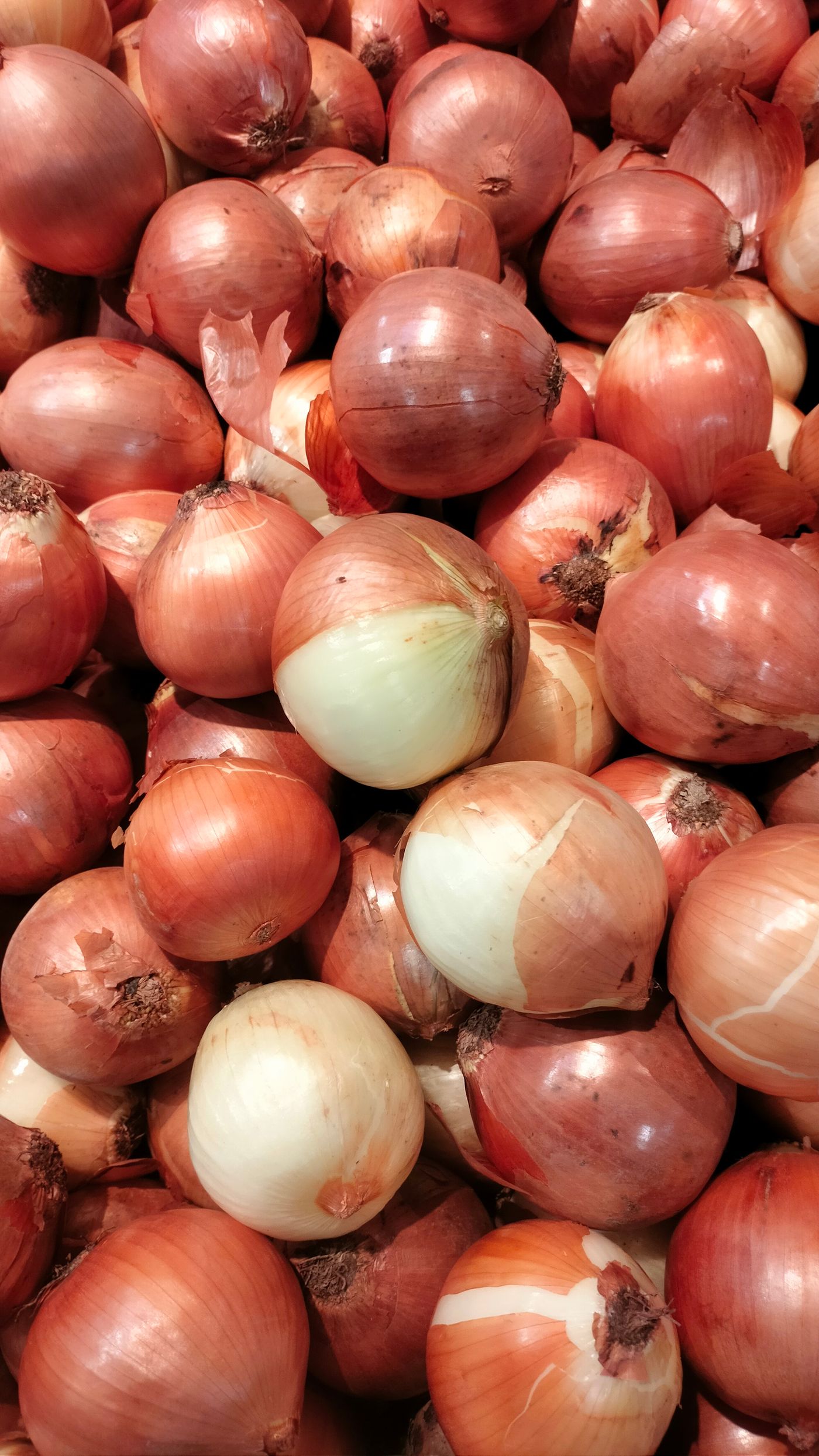
Why Onions Are a Problem for Cats
Onions contain sulfur compounds that damage red blood cells. The Merck Veterinary Manual explains that these compounds are released when onion is chopped, cooked or chewed, and they cause the cells to form Heinz bodies and break apart, which leads to anemia. The ASPCA names the compound n-propyl disulfide. Cooking does not make onion harmless: Merck says raw, cooked, dehydrated and granulated onion can all cause toxicosis, and it links concentrated forms such as dehydrated flakes, onion powder and dry onion soup mix to poisoning in cats and dogs. That is why hidden sources matter. Onion powder can show up in broth, stock, gravy, soup, deli meat, seasoning blends and jarred baby food, so read the label before sharing any of them. A spoonful of meat baby food or a lick of gravy can carry more onion than you would expect.
Signs to Watch For
Signs often do not appear right away. According to the Merck Veterinary Manual, red blood cell damage begins within 24 hours, and the cells typically break down three to five days after exposure, so a cat can look normal for days. Merck lists lethargy, loss of appetite, fast breathing, a fast heart rate, weakness, yellow gums or eyes, dark red or brown urine and collapse. The ASPCA adds vomiting and panting. A cat that seems tired or stops eating a few days after getting into onion needs a vet visit, even if the meal seemed small.
What to Do If Your Cat Ate Onions
Call your veterinarian or the ASPCA Animal Poison Control Center at (888) 426-4435 right away, ideally before signs appear. Do not try to make your cat vomit at home unless a vet tells you to. The Merck Veterinary Manual lists hydrogen peroxide as a way to induce vomiting in dogs only; for cats it lists a drug given by injection at the clinic. Bring the package, label or recipe with you, and note roughly how much your cat ate and when. Your vet may want blood tests over the following days.
If your cat has a medical condition or eats a special diet, ask your veterinarian which treats fit before sharing any human food.
Common Questions
How much onion is toxic to a cat?
Very little. The Merck Veterinary Manual reports that less than a teaspoon of cooked onion has caused toxicosis in a cat, and that raw onion at about 5 grams per kilogram of body weight has done the same. For a 10-pound cat, that raw amount is less than an ounce. Because cats are the most susceptible species, call your veterinarian after any amount.
Can cats eat onion powder?
No. Onion powder is a concentrated form of onion, and the Merck Veterinary Manual links concentrated forms such as dehydrated flakes, powders and dry onion soup mix to poisoning in cats and dogs. Check the labels of broth, gravy, deli meat and seasoned foods before sharing them, since onion powder is a common ingredient.
Can cats eat baby food with onion?
No. Baby food can include onion powder, so it is worth reading every label, and the Merck Veterinary Manual links concentrated forms such as onion powder to poisoning in cats and dogs. If a vet suggests baby food to tempt a sick cat, pick a plain meat variety and read the label to confirm it has no onion or garlic.
Can cats eat chicken broth with onion?
No. Most store-bought broth and stock is made with onion or onion powder, and often garlic too. The ASPCA warns that onion and other Allium plants can damage a cat's red blood cells, and cats are more susceptible than dogs. If you want to give your cat broth, make a plain one from chicken and water only, with no salt or seasonings.
How long after eating onion will a cat show symptoms?
Often a few days. The Merck Veterinary Manual explains that red blood cell damage starts within 24 hours, peaks around 72 hours, and the cells typically break down three to five days after exposure. Clinical signs usually show up only after a lot of that damage has happened, which is why you should call your veterinarian as soon as you know your cat ate onion.
Sources
- Merck Veterinary Manual: Garlic and onion allium spp toxicosis in animals
- ASPCA: Onion
- ASPCA: People foods avoid feeding your pets
- WSAVA: Feeding treats to your cat
