Can Cats Eat Paprika?
By Pettings · Sources checked Nov 2, 2026
No. Keep paprika away from cats, along with chili powder, red pepper flakes and cayenne. We found no veterinary source describing paprika poisoning in cats, so the reason is not a known toxin in the pepper itself. A cat gains nothing from these spices, the hot ones can burn the mouth, and the blends they come in often contain garlic, onion and salt.
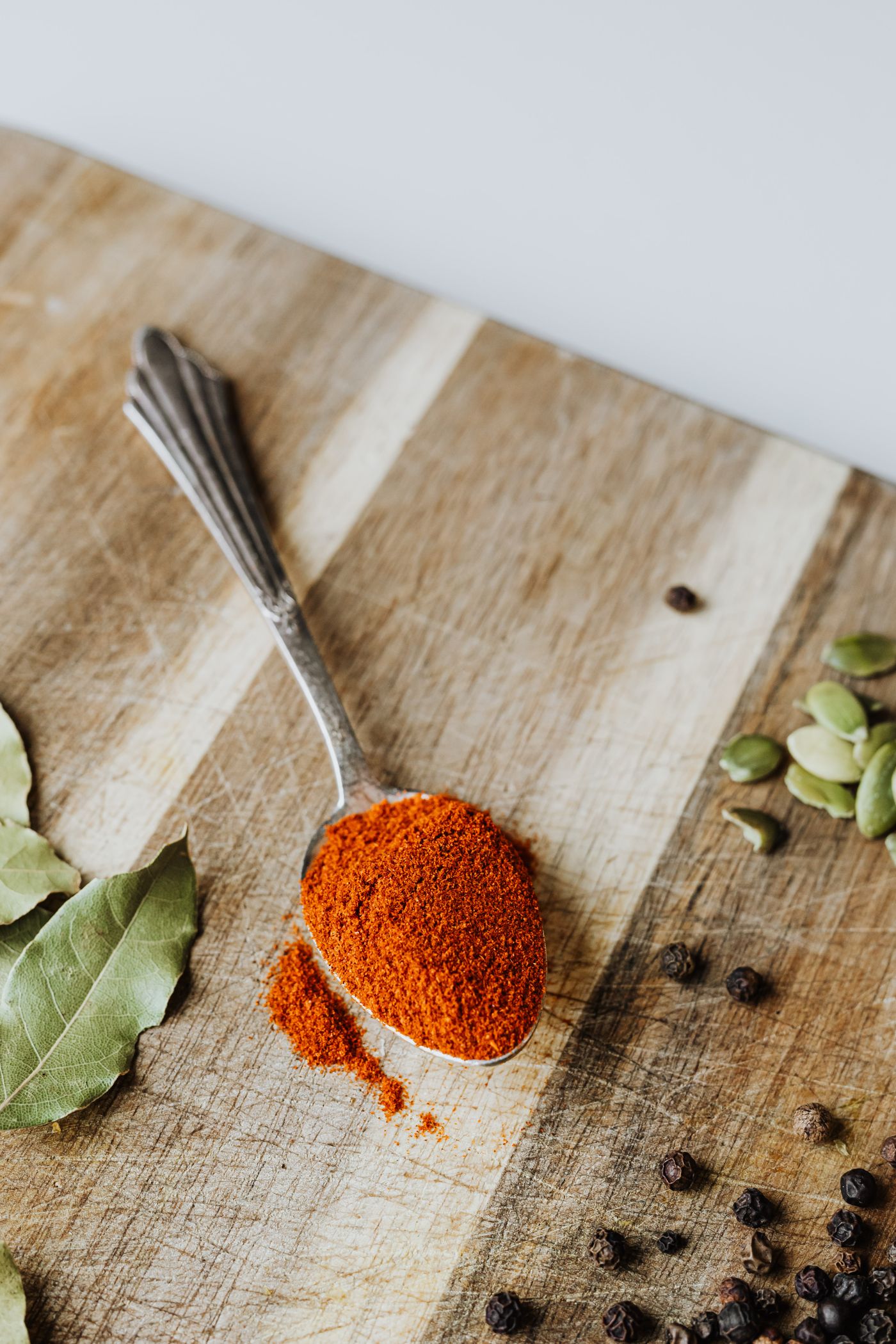
Why Paprika Is a Problem for Cats
Paprika, cayenne and red pepper flakes are all made from dried peppers. Sweet paprika is mild, while cayenne and red pepper flakes are hot because of capsaicin, the compound that makes chili peppers burn. A cat that licks hot spice may paw at its mouth, drool or refuse its food. Cats do not need seasoning at all; the Cornell Feline Health Center describes them as obligate carnivores that rely on nutrients found only in animal products.
Chili powder is the main hidden risk. In the US, chili powder is usually a blend that can include garlic powder, onion powder, cumin and salt, not just ground chiles. The Merck Veterinary Manual says cats are the species most sensitive to garlic and onion, and that concentrated forms such as powders and dry soup mixes are the most common cause of poisoning in cats. The same goes for taco seasoning, barbecue rubs, smoked paprika blends and seasoned chips. Salt is the other common partner, and the ASPCA lists salty foods among those to keep away from pets.
Signs to Watch For
For hot spice on its own, expect mouth discomfort: drooling, pawing at the face, head shaking or a short bout of vomiting. If the spice was a blend, the Merck Veterinary Manual describes the signs of garlic and onion poisoning as lethargy, poor appetite, fast breathing, weakness, yellow gums and dark urine, usually a few days after exposure. The ASPCA lists vomiting, diarrhea, tremors and seizures for too much salt. If spice powder was inhaled, coughing and trouble breathing can follow, as the ASPCA describes for cinnamon.
What to Do If Your Cat Ate Paprika
Call your veterinarian or the ASPCA Animal Poison Control Center at (888) 426-4435 right away. Do not try to make your cat vomit unless a veterinarian tells you to. Bring the jar or seasoning packet so the vet can check the full ingredient list. Offer fresh water, and gently wipe spice from the mouth and paws so your cat does not keep licking it.
If your cat has a medical condition or eats a special diet, ask your veterinarian about any spices it gets into.
Common Questions
Can cats eat chili powder?
No. In the US, chili powder is usually a blend of ground chiles, cumin, salt and often garlic powder or onion powder. The Merck Veterinary Manual says powders are the most common form behind garlic and onion poisoning in cats. If your cat ate chili powder or chili, call your veterinarian or the ASPCA Animal Poison Control Center at (888) 426-4435.
What happens if my cat licks red pepper flakes?
Most cats that lick red pepper flakes get a burning mouth and back off quickly. You may see drooling, pawing at the face or a brief bout of vomiting. Offer fresh water and wipe the mouth area gently. Call your veterinarian if your cat keeps drooling, will not eat, or the flakes came from pizza or a seasoned dish with garlic.
Can cats eat cayenne pepper?
No, keep cayenne away from cats. Cayenne is a hot chili powder, and a cat that licks it will likely drool, paw at its mouth and refuse food. It gives a cat nothing it needs. Some people sprinkle cayenne in gardens to keep cats away; that is a poor idea, since cats can get it on their paws and in their eyes while grooming.
Is smoked paprika bad for cats?
Smoked paprika is not something to share. Plain smoked paprika is mild, but it often appears in rubs and seasoning blends with garlic, onion and salt. The Merck Veterinary Manual says cats are the species most sensitive to garlic and onion. Check the jar if your cat got into it, and call your veterinarian if the label lists either one.
Can cats eat food with paprika on it?
It is best not to. A dusting of paprika on deviled eggs or chicken usually comes with salt, butter, mayonnaise or garlic. The ASPCA lists salty foods among those to keep from pets, and the Merck Veterinary Manual warns about garlic and onion for cats. Give your cat a plain, unseasoned portion set aside before cooking.