Can Cats Eat Pasta?
By Pettings · Sources checked Nov 2, 2026
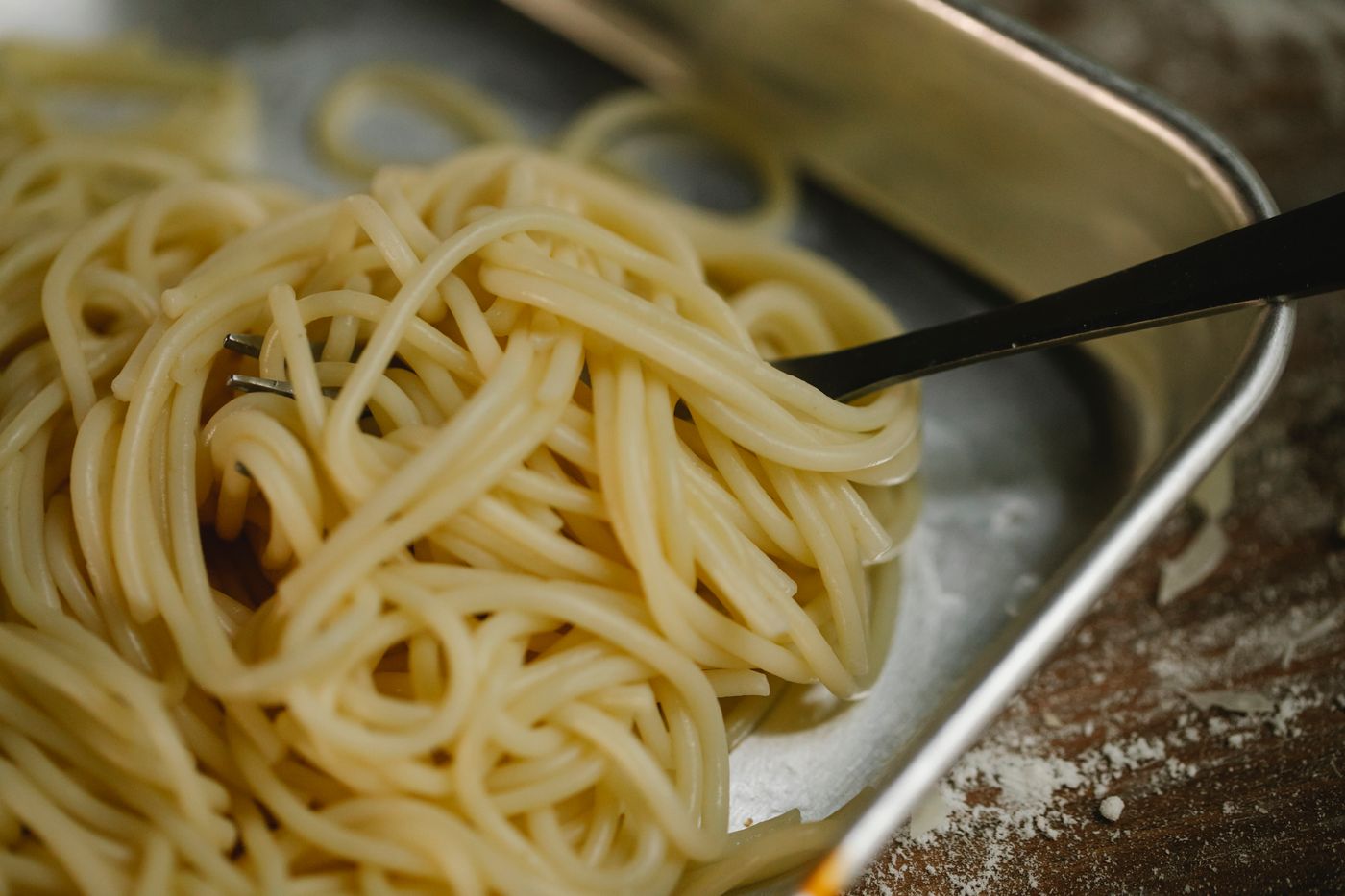
Pasta is an occasional treat at most, and only plain, cooked and without sauce. Plain pasta is flour and water, sometimes with egg, and Tufts Petfoodology explains that cats can digest properly cooked carbohydrates. The problem is what usually comes with pasta, since sauces often contain garlic and onion, which the ASPCA says can damage a cat's red blood cells.
What Pasta Offers a Cat
Cooked pasta is mostly starch and water, with a small amount of wheat protein. The Cornell Feline Health Center describes cats as obligate carnivores that rely on nutrients found only in animal products, and Tufts notes that adult cats have no specific requirement for carbohydrate. Pasta adds calories, not missing nutrients.
How Much Pasta Can a Cat Have?
For a 10-pound adult cat with no food allergy and no medical condition, one or two pieces of plain cooked pasta, about 1 teaspoon, is enough. That is a few calories. WSAVA advises keeping treats under 10% of a cat's daily calories, which works out to about 22 to 25 treat calories a day for an adult cat of roughly 9 to 11 pounds. A teaspoon fits inside that limit, and it should replace part of the day's food rather than be added on top.
Kittens, seniors and cats with diabetes, kidney disease, urinary stones, pancreatitis or food allergies should only get pasta if your veterinarian agrees. Cats with a wheat allergy should not have it at all.
How to Serve It
Set aside a piece or two of pasta after cooking it in unsalted water, before any sauce, butter or cheese goes on. Cut long strands such as spaghetti into short pieces so your cat cannot get tangled or swallow a long strand.
Sauces are the main concern. Tomato sauce, pesto, alfredo and most meat sauces include garlic or onion, and the ASPCA notes that cats are more susceptible to these than dogs. Garlic bread, garlic butter and garlic salt carry the same risk. Cheese sauces and macaroni and cheese add dairy, and the ASPCA notes that pets have little of the enzyme needed to digest lactose. Instant noodle cups and boxed pasta mixes come with seasoning packets that are high in salt and often contain onion or garlic powder.
Do not share uncooked pasta. Dry pasta is hard and difficult to digest.
If your cat ate pasta with sauce, check the ingredients for onion or garlic and call your veterinarian or the ASPCA Animal Poison Control Center at (888) 426-4435.
If your cat has a medical condition or eats a special diet, ask your veterinarian before offering pasta.
Common Questions
Can cats eat pasta with tomato sauce?
No, skip the sauce. Most tomato sauces contain garlic, onion or both, and the ASPCA says these can damage red blood cells, with cats more susceptible than dogs. Many jarred sauces also add salt and sugar. If your cat ate pasta with sauce, check the label for onion or garlic and call your veterinarian or the ASPCA Animal Poison Control Center at (888) 426-4435.
Can cats eat macaroni and cheese?
Macaroni and cheese is not a good choice for cats. The cheese sauce is high in fat and salt, and the ASPCA notes that pets have little lactase, so dairy can cause diarrhea. Boxed versions may contain onion or garlic powder. A lick is unlikely to cause more than a mild stomach upset, but do not offer it as a treat.
Can cats eat raw pasta?
No, do not give uncooked pasta to a cat. Dry pasta is hard, can break into sharp pieces and is difficult to digest. Tufts Petfoodology refers to cats digesting properly cooked carbohydrates, so cooking matters. If your cat chewed a dry noodle, it will most likely be fine, but call your vet if it vomits or stops eating.
Can cats eat garlic bread?
No. Garlic bread is made with garlic, which the ASPCA lists among foods pets should not eat because it can damage red blood cells, and cats are more susceptible than dogs. It also contains butter and salt. If your cat ate some, call your veterinarian or the ASPCA Animal Poison Control Center at (888) 426-4435 and say roughly how much was eaten.
Can cats eat noodles?
Plain cooked noodles with nothing added are fine as a tiny occasional treat for an adult cat. Instant noodles, ramen cups and stir-fried noodles are different, because their seasoning and sauces are high in salt and often contain onion or garlic, which the ASPCA warns about. Keep any plain portion to about a teaspoon and cut long noodles into short pieces.