Can Cats Eat Pastrami?
By Pettings · Sources checked Nov 2, 2026
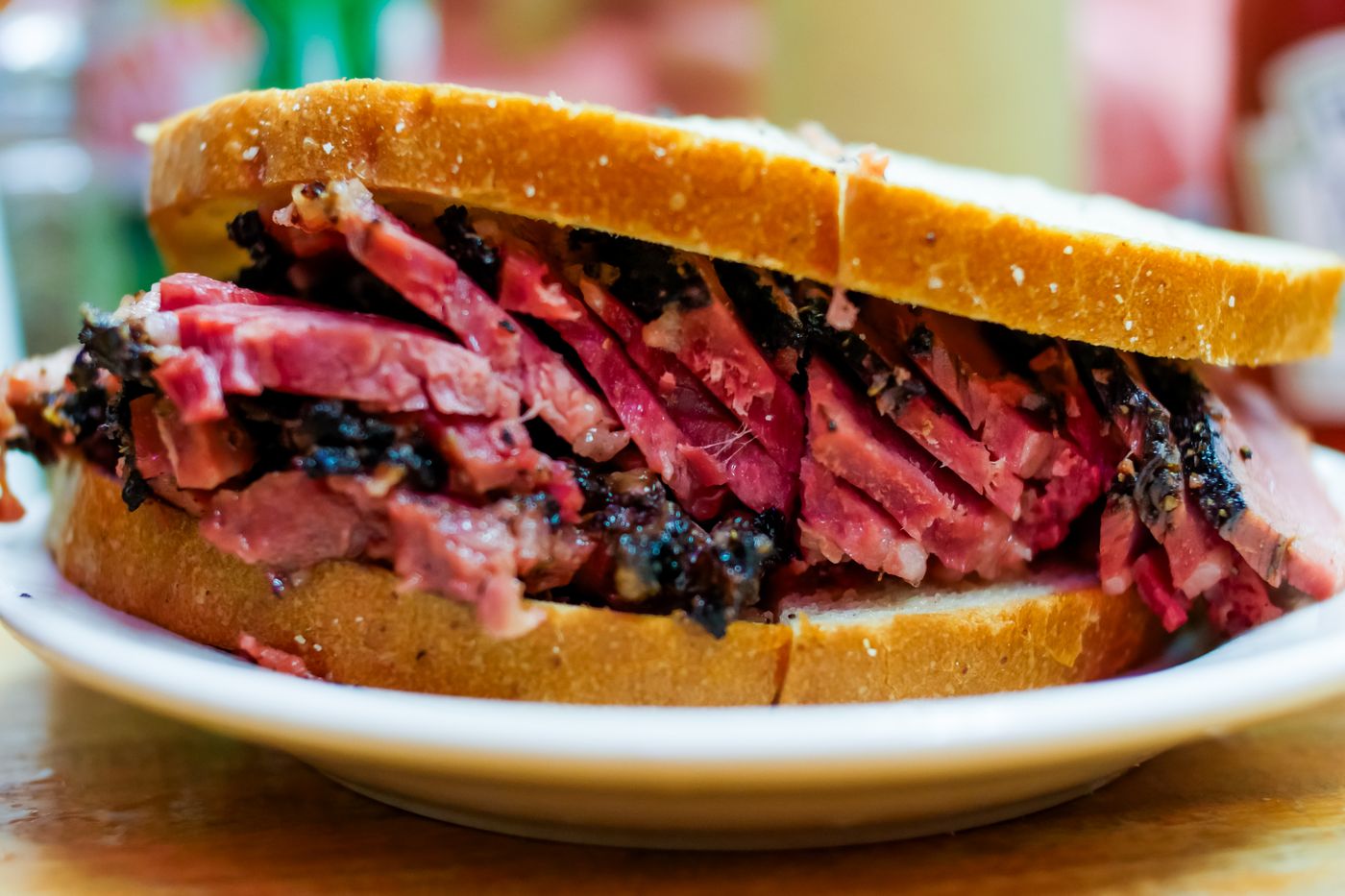
No. Keep pastrami away from cats. Pastrami is beef that has been cured in a salt brine, rubbed with spices such as garlic, black pepper and coriander, then smoked. The ASPCA lists garlic among foods to keep from pets, and it warns that salty foods can cause vomiting, diarrhea, tremors and seizures.
Why Pastrami Is a Problem for Cats
The beef underneath is not the issue. The cure and the crust are. Brining fills the meat with sodium, and the ASPCA says too much salt can cause increased thirst and urination and, in larger amounts, vomiting, diarrhea, depression, tremors and seizures. Tufts Petfoodology also notes that cats with kidney disease need to limit sodium. The spice crust usually contains garlic, sometimes in powdered form, and the Merck Veterinary Manual reports that dried, concentrated garlic and onion cause most of these poisonings in cats and dogs, with cats the most sensitive species. Pastrami is often cut from fatty brisket or navel, and Tufts lists high fat meats among foods that can upset a pet's stomach. Corned beef is cured in a similar salt brine and often cooked with spices, though it usually lacks the pepper crust. Both are salty enough that WSAVA's advice to avoid table scraps as treats applies. If your cat wants beef, a small piece of plain lean cooked beef is the alternative.
Signs to Watch For
The ASPCA lists heavy thirst and frequent urination as early signs of too much salt, with vomiting, diarrhea, depression, tremors and seizures possible after larger amounts. If the pastrami crust held garlic, Merck describes weakness, pale or yellow gums, rapid breathing, dark urine and collapse. Merck notes these signs often wait until red blood cells have broken down, usually a few days after the meal. Fatty meat can also cause vomiting or diarrhea, according to Tufts.
What to Do If Your Cat Ate Pastrami
A small strip pulled from a sandwich is unlikely to be an emergency for an adult cat, but provide fresh water and watch for several days. If your cat ate more than a bite, or has kidney or heart disease, call your veterinarian or the ASPCA Animal Poison Control Center at (888) 426-4435 right away. Do not try to make your cat vomit unless a veterinarian tells you to. Bring the package or deli label.
If your cat has a medical condition or eats a special diet, ask your veterinarian before sharing any meat.
Common Questions
Can cats eat corned beef?
Corned beef is not a good treat for cats. It is cured in a salt brine and often cooked with a spice packet, and the ASPCA warns that salty foods can cause vomiting, diarrhea, tremors and seizures in pets. The fat in brisket can upset the stomach too. If your cat stole a small piece, give fresh water and watch for vomiting or unusual thirst.
Can cats eat roast beef from the deli?
Deli roast beef is better skipped. It is usually salted and sometimes seasoned with garlic or onion, which the ASPCA lists among foods to keep from pets. A small piece is unlikely to cause harm, but for treats, cook a plain lean cut of beef at home with no salt or seasoning and share about 1/4 ounce with a 10-pound adult cat.
What happens if my cat ate pastrami?
A cat that eats a small piece of pastrami may become thirsty or have mild stomach upset from the salt and fat. The garlic in the spice crust is the bigger worry. The Merck Veterinary Manual says garlic can damage red blood cells in cats, with signs such as weakness, pale gums and dark urine that may take several days to appear. Call your veterinarian if you see them.
Is pastrami bad for cats with kidney disease?
Cats with kidney disease should not have pastrami. Tufts Petfoodology notes that cats with kidney disease need to limit nutrients such as phosphorus and sodium, and pastrami is cured with a lot of salt. Ask your veterinarian which treats fit your cat's kidney diet and how many are allowed each day.
Can kittens eat pastrami?
Kittens should not eat pastrami. The salt and garlic have a stronger effect on a small body, and the Merck Veterinary Manual reports that cats are the most sensitive species to garlic and onion. If your kitten ate pastrami, call your veterinarian for advice and have the deli label or package ready to share.