Can Cats Eat Peanut Butter?
By Pettings · Sources checked Nov 2, 2026
Peanut butter is an occasional treat at most, and only as a tiny dab of a plain, unsalted product. The ASPCA includes peanut butter among people foods pets can share, but it also warns that peanut butter is high in fat and should be given in small amounts. Many owners use a smear of it to hide a pill, which is about the right size for a cat.
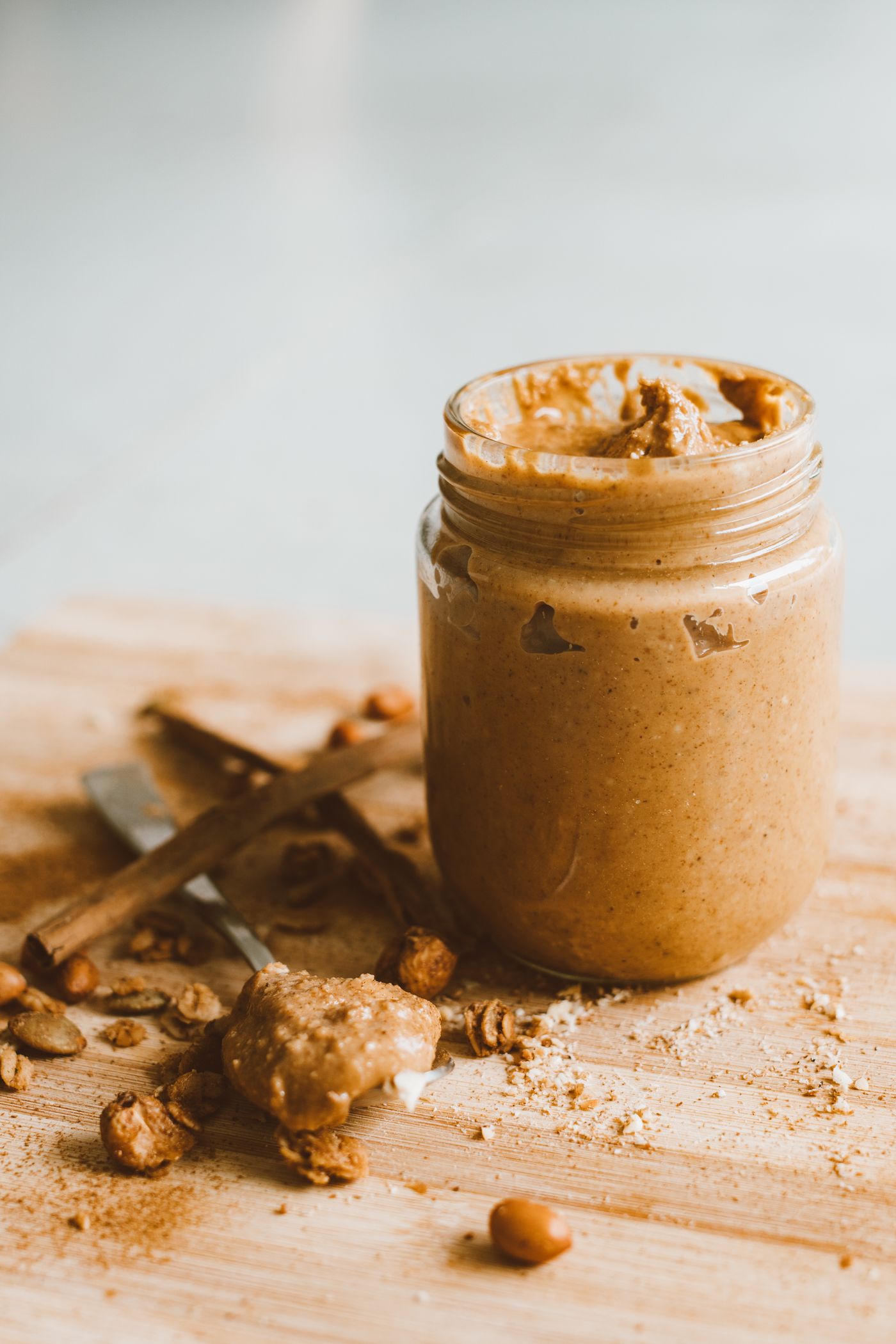
What Peanut Butter Offers a Cat
Peanut butter is ground roasted peanuts, often with added salt, sugar and oil. Most of its calories come from fat, with some plant protein. The Cornell Feline Health Center describes cats as obligate carnivores that rely on nutrients found only in animal products, so peanut butter fills no nutritional gap. Its practical use is as a sticky wrapper for medication.
How Much Peanut Butter Can a Cat Have?
For a 10-pound adult cat with no known food allergy and no medical condition, 1/4 teaspoon is the most to offer at one time, and it adds a few calories. WSAVA advises keeping treats below 10 percent of daily calories, which it puts at about 22 to 25 treat calories a day for a cat of this size. Because peanut butter is so dense in fat, a small dab uses a good share of that allowance, so give a little less of the regular food that day. The ASPCA notes that the oils and fats in nuts can cause vomiting and diarrhea, and potentially pancreatitis in some pets. Kittens, seniors and cats with diabetes, kidney disease, urinary stones, pancreatitis or food allergies should not get peanut butter until their veterinarian agrees.
How to Serve It
Choose plain peanut butter with only peanuts, or peanuts and a little salt, on the label. Smooth works better than chunky, since peanut pieces are hard and a sticky glob is awkward to swallow. Offer the 1/4 teaspoon on your fingertip or wrapped around a pill rather than in a big lump.
Several products are not suitable. Sweetened and honey peanut butters add sugar. Chocolate peanut spreads and peanut butter cups contain chocolate, which the ASPCA lists as toxic to pets. Some sugar-free and "high protein" peanut butters contain xylitol. The ASPCA says cats are not affected by xylitol, and the Merck Veterinary Manual states that cats are not at risk for the low blood sugar or liver injury it causes in dogs. WSAVA's cat treat guide still lists xylitol among ingredients toxic to cats, so read the label and skip any product that contains it.
If your cat has a medical condition or eats a prescription diet, ask your veterinarian before offering peanut butter.
Common Questions
Can I give my cat a pill in peanut butter?
Yes, a small smear of plain peanut butter is a common way to hide a pill, and the ASPCA mentions it for hiding medication. Keep the amount to about 1/4 teaspoon so you are not adding much fat. Some medicines should not be given with food, so check with your veterinarian. If your cat refuses peanut butter, a pill pocket treat or soft wet food may work better.
Is xylitol peanut butter bad for cats?
The ASPCA says cats are not affected by xylitol the way dogs are, and the Merck Veterinary Manual states that cats are not at risk for the low blood sugar and liver damage it causes in dogs. WSAVA's cat treat guide still lists xylitol as toxic to cats. Since the sources differ, skip xylitol products for cats, and keep them far from dogs.
Can kittens eat peanut butter?
Kittens are better off without peanut butter. They need a complete kitten food for growth, and a sticky glob of fat is a lot for a small stomach and a small throat. If your veterinarian has prescribed a pill for a kitten, ask what to hide it in. A lick of plain peanut butter that a kitten steals is not an emergency.
Can cats eat peanut butter every day?
Daily peanut butter is not a good idea for a cat. It is high in fat, and the ASPCA says it should be given only in small amounts. WSAVA puts the treat allowance for a 10-pound cat at about 22 to 25 calories a day, and peanut butter is dense enough that even small dabs add up. Use it when you need to give a pill.
Why does my cat like peanut butter?
Cats that go for peanut butter are probably drawn by the fat and salt, and some like licking sticky foods. Some simply want whatever their owner is eating. Interest is not the same as need, since Cornell describes cats as obligate carnivores. Keep it to a quarter teaspoon now and then.
Sources
- ASPCA: Sharing caring foods you can safely share your pet
- ASPCA: People foods avoid feeding your pets
- ASPCA: Updated safety warning xylitol how protect your pets
- Merck Veterinary Manual: Xylitol toxicosis in dogs
- WSAVA: Feeding treats to your cat
- Cornell Feline Health Center: Feeding your cat
