Can Cats Eat Pears?
By Pettings · Sources checked Nov 2, 2026
Cats can eat small amounts of plain fresh pear. Ripe pear flesh is soft and easy to chew, and nothing in it is listed as a concern for cats. The seeds and stems need more care, because pears belong to the same plant family as apples, which the ASPCA lists as toxic to cats.
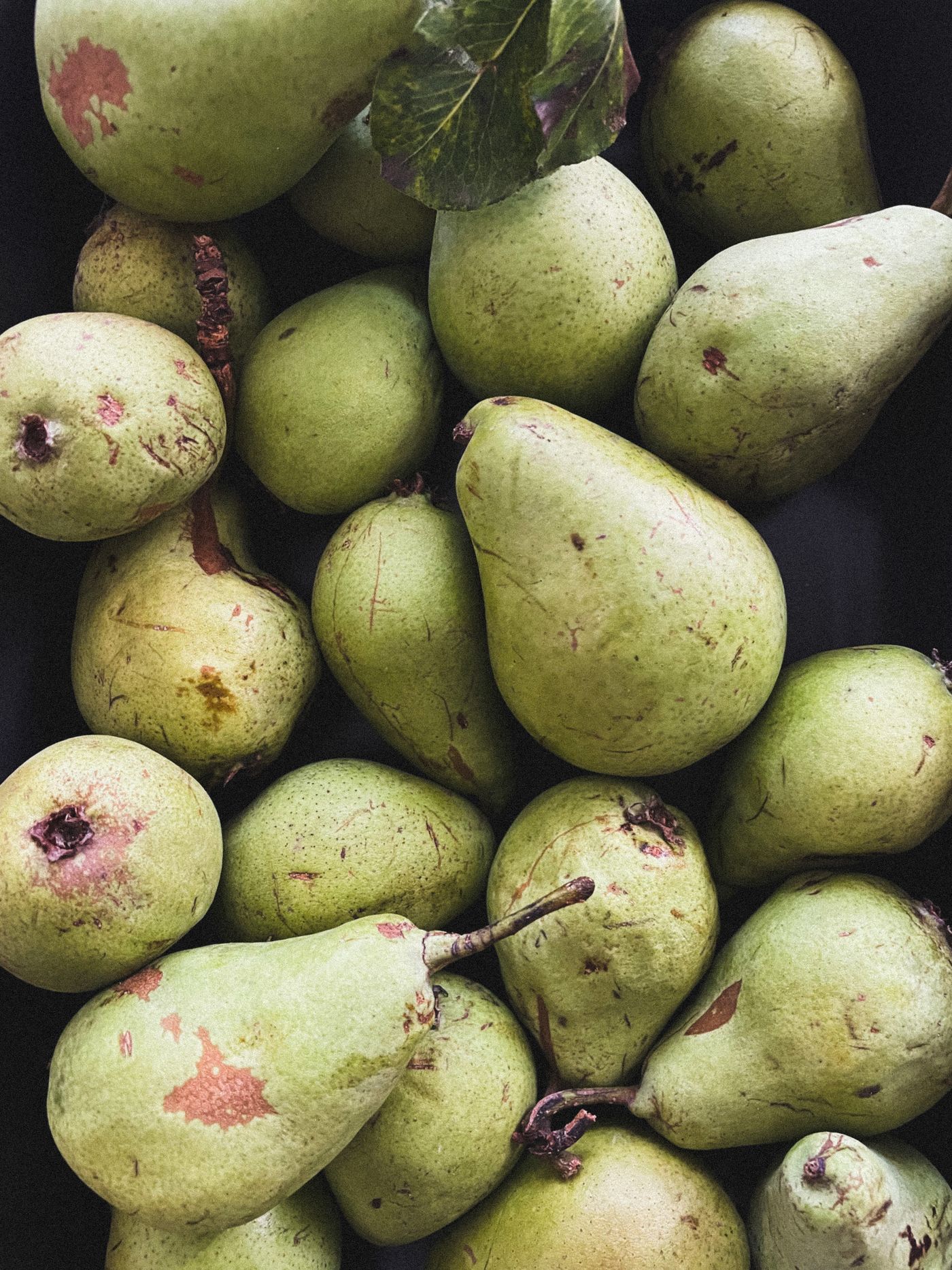
What Pears Offer a Cat
Pear flesh is mostly water, natural sugar and fiber. The Cornell Feline Health Center describes cats as obligate carnivores that rely on nutrients found only in animal products, and a complete cat food supplies all of them. Pear does not give a cat anything it lacks.
Cats do not enjoy the sweetness either. Researchers reported in PLOS Genetics in 2005 that cats lack a working sweet taste receptor. A cat that eats pear is responding to texture, smell or curiosity.
How Much Pears Can a Cat Have?
For a 10-pound adult cat with no food allergy and no medical condition, about 1 teaspoon of chopped, peeled pear is enough. That is a few calories. WSAVA advises keeping treats under 10% of a cat's daily calories, which works out to about 22 to 25 treat calories a day for an adult cat of roughly 9 to 11 pounds. A teaspoon fits inside that allowance and should replace a small part of the day's food, not be added to it.
Bigger servings can cause soft stool because of the sugar and fiber. Ask your veterinarian before offering pear to a kitten, a senior cat or any cat with diabetes, kidney disease, urinary stones, pancreatitis or a food allergy.
How to Serve It
Choose a ripe pear, wash it, cut a slice away from the core and peel it. Chop the flesh into small pieces your cat cannot swallow whole. Canned pears packed in syrup carry extra sugar, so stick with fresh fruit.
Leave out the seeds, core and stem. The ASPCA does not give pear its own entry, but it lists the apple, a close relative in the rose family, as toxic to cats because the stems, leaves and seeds contain cyanogenic glycosides. Treat pear seeds and stems the same way and throw cores in a covered bin.
Skip pear tarts, poached pears in wine, pear juice and fruit cups. Alcohol, sugar and butter have no place in a cat's diet, and the ASPCA warns about alcohol and about xylitol in sugar-free products.
Give a tiny piece the first time and watch for vomiting or loose stool over the following day.
If your cat has a medical condition or eats a special diet, ask your veterinarian before offering pear.
Common Questions
Can cats eat pear seeds?
No, remove pear seeds before sharing. The ASPCA has no separate pear entry, but it lists apple, a close relative, as toxic to cats because its stems, leaves and seeds contain cyanogenic glycosides. Treating pear seeds the same way is the cautious choice. If your cat chewed a pear core, call your veterinarian or the ASPCA Animal Poison Control Center at (888) 426-4435.
Can cats eat canned pears?
Canned pears are not a good pick. Most are packed in syrup or juice, which adds sugar a cat does not need. If the only option is pear canned in water with nothing added, rinse a small piece and keep it to about a teaspoon. Fresh, ripe, peeled pear without seeds is simpler and lets you control exactly what your cat eats.
Can kittens eat pears?
Kittens should stick to their complete kitten food. The Cornell Feline Health Center notes kittens may be at higher risk of diarrhea as their digestive systems adjust to solid food. A tiny lick of ripe pear flesh is unlikely to cause trouble, but seeds and stems must be kept away. Check with your veterinarian before offering any human food to a kitten.
Can cats eat pear skin?
A little pear skin is unlikely to cause problems, but peeling is better. The skin is firmer than the flesh and may carry residue from sprays or wax, so wash the fruit and peel the piece you share. Keep the amount to about a teaspoon of chopped flesh for an adult cat, and count it toward the daily treat allowance.
What happens if a cat eats too much pear?
Eating a lot of pear will most likely cause an upset stomach with soft stool or vomiting, since the fruit is high in sugar and fiber. The bigger worry is whether your cat also chewed seeds or stems. If it did, or if diarrhea lasts more than a day or two, contact your veterinarian. Cornell advises an exam when diarrhea comes with lethargy or poor appetite.