Can Cats Eat Pine Nuts?
By Pettings · Sources checked Nov 2, 2026
No. Keep pine nuts away from cats. Pine nuts are not named on the ASPCA list of toxic people foods, but the ASPCA warns that nuts with high oil and fat content can cause vomiting, diarrhea and potentially pancreatitis in pets. Most pine nuts in American kitchens end up in pesto, and pesto is made with garlic.
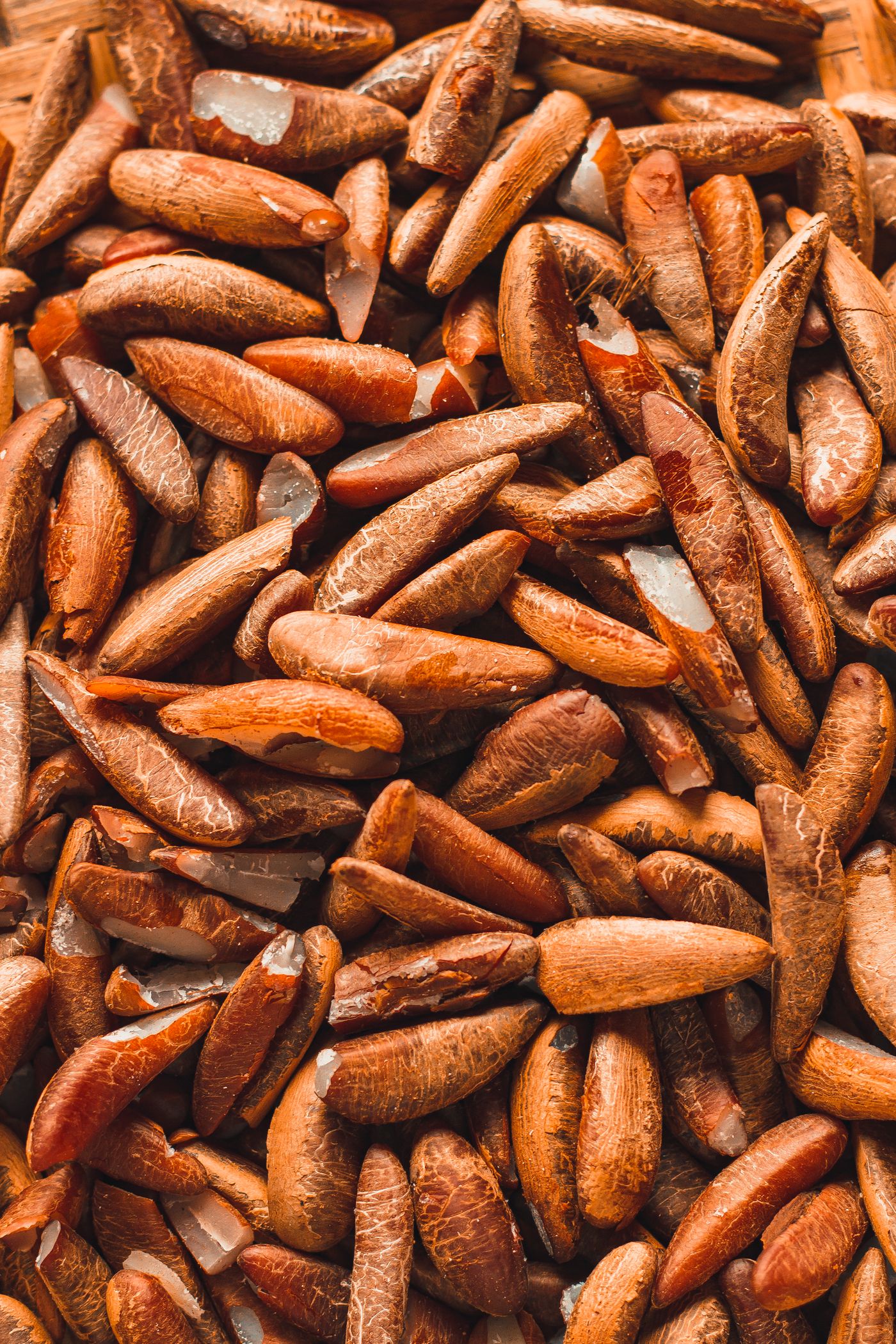
Why Pine Nuts Are a Problem for Cats
Pine nuts are the edible seeds of pine trees. They are small, soft and very oily. The Cornell Feline Health Center describes a cat's natural diet as high in protein, moderate in fat and very low in carbohydrates, from animal sources. A spoonful of pine nuts is plant fat a 10-pound cat does not need, and the ASPCA's warning about fatty nuts applies.
Pesto is the bigger concern. Classic basil pesto blends pine nuts with raw garlic, parmesan cheese and olive oil. The Merck Veterinary Manual names cats as the species most susceptible to garlic and onion poisoning and says garlic is three to five times more potent than onion. Store-bought pesto may also use garlic powder or dried garlic, the concentrated forms Merck links to many cases. The cheese adds dairy, which the ASPCA says can cause diarrhea because pets make little lactase.
Pine nuts also turn up in salads with dressings, in stuffed grape leaves, in baked goods and in toasted nut mixes, often with salt or seasoning. The ASPCA warns that salty foods can cause thirst and vomiting and, in large amounts, tremors and seizures.
Signs to Watch For
After plain pine nuts, watch for vomiting and diarrhea, which the ASPCA links to the fats in nuts. Cornell notes that cats with pancreatitis often show only vague signs such as lethargy and a poor appetite. After pesto, Merck says signs of garlic poisoning usually appear a few days later, once red blood cells have broken down. Watch for weakness, lethargy, poor appetite, fast breathing, pale or yellowish gums and reddish brown urine.
What to Do If Your Cat Ate Pine Nuts
If your cat ate pesto or any dish made with garlic, call your veterinarian or the ASPCA Animal Poison Control Center at (888) 426-4435 right away, even if it looks fine, since the blood changes are delayed. Call as well if your cat ate a lot of plain pine nuts or seems unwell. Do not try to make your cat vomit unless a veterinarian tells you to. Bring the jar or recipe and estimate how much is gone.
If your cat has anemia, pancreatitis or another medical condition, or eats a special diet, tell your veterinarian when you call.
Common Questions
Can cats eat pesto?
No. Pesto should be kept from cats. It is made with garlic, and the Merck Veterinary Manual names cats as the species most susceptible to garlic and onion poisoning, with red blood cell damage showing up days later. Pesto also contains cheese and oil. If your cat licked a pesto plate, call your veterinarian or the ASPCA Animal Poison Control Center at (888) 426-4435.
What happens if my cat eats pine nuts?
A few plain pine nuts are unlikely to cause more than a mild upset stomach. The ASPCA warns that fatty nuts can cause vomiting, diarrhea and possibly pancreatitis in pets, so watch your cat for a day or two. If the pine nuts came from pesto or a garlicky dish, call your veterinarian, since garlic is the bigger concern for cats.
Can cats eat toasted pine nuts?
Toasted pine nuts are no better for cats than raw ones. Toasting brings out the oil but does not change the fat content, and toasted nut mixes are often salted. The ASPCA warns that fatty nuts can cause vomiting and diarrhea and that salty foods can cause thirst and vomiting in pets. Keep the salad topping on your plate.
Can cats eat pine cones or pine needles?
Pine cones and needles are not food and should not be chewed. They are hard, sharp and can cause choking or a blockage, which WSAVA warns about with anything of the wrong size or shape. Christmas trees bring needles, water additives and ornaments within reach. If your cat ate pine needles and is vomiting or drooling, call your veterinarian.
Can kittens eat pine nuts?
Kittens do not need pine nuts and are better off without them. The fat is a lot for a small stomach, and pine nuts usually come in pesto or salads with garlic and dressing. A kitten that eats one or two plain pine nuts is not an emergency. A kitten that eats pesto needs a call to your veterinarian.