Can Cats Eat Pineapple?
By Pettings · Sources checked Nov 2, 2026
Pineapple is an occasional treat at most, and only as a small piece of fresh, ripe flesh. Pineapple is not on the ASPCA list of people foods to avoid, but it is sugary and acidic, and some cats get an upset stomach from it. The Cornell Feline Health Center describes cats as obligate carnivores that rely on nutrients found only in animal products.
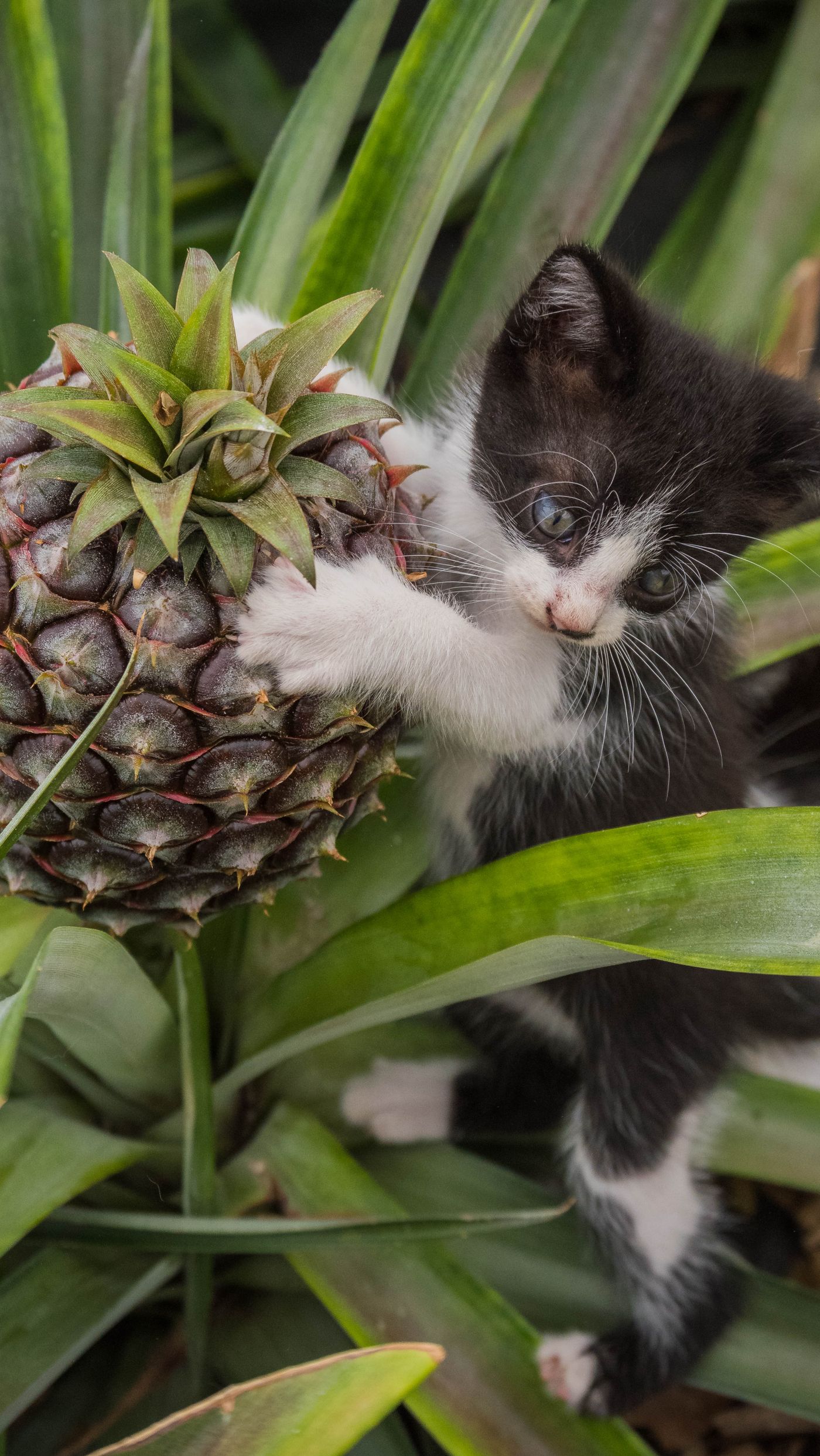
What Pineapple Offers a Cat
Pineapple is mostly water and sugar, with some fiber and a tart, acidic bite. A complete cat food already meets a cat's needs, so pineapple does not add anything useful. Tufts Petfoodology notes that adult cats have no specific requirement for carbohydrate.
The sweetness people enjoy is lost on cats. A 2005 study in PLOS Genetics found that cats likely lack a working sweet taste receptor. A cat that licks pineapple may be curious about the smell or the juice.
How Much Pineapple Can a Cat Have?
A 10-pound adult cat with no food allergy and no medical condition can have about 1 teaspoon of diced fresh pineapple. That is a few calories. WSAVA advises keeping treats under 10% of a cat's daily calories, which works out to about 22 to 25 treat calories a day for an adult cat of roughly 9 to 11 pounds. A teaspoon fits inside that, as long as it replaces a bit of the day's food rather than being added to it.
Keep it occasional. The acid and sugar can cause vomiting or loose stool in sensitive cats, and some cats find the texture irritating to the mouth. Kittens, seniors and cats with diabetes, kidney disease, urinary stones, pancreatitis or food allergies should only have pineapple if your veterinarian agrees.
How to Serve It
Cut away the rind, the spiky top and the hard core. Use only the soft, ripe flesh, diced into small pieces. The rind and leaves are tough, sharp and impossible for a cat to digest, so put them straight into a covered bin.
Canned pineapple in heavy syrup adds a lot of sugar. If fresh is not available, choose pineapple canned in its own juice, rinse it and keep the piece small. Skip pineapple juice, dried pineapple, upside-down cake and pizza toppings. Dried pineapple is often sweetened, and pizza may carry garlic or onion, which the ASPCA notes can damage red blood cells, with cats more susceptible.
Offer one small piece the first time and check for vomiting or soft stool the next day.
If your cat has a medical condition or eats a special diet, ask your veterinarian before offering pineapple.
Common Questions
Can cats eat canned pineapple?
Canned pineapple is not ideal, but a small rinsed piece packed in its own juice is unlikely to cause problems for an adult cat with no health issues. Pineapple in heavy syrup has far more sugar and should be skipped. Keep the amount to about a teaspoon, and count it as part of the day's treat allowance rather than an extra.
Can cats drink pineapple juice?
No, pineapple juice is not a good drink for cats. It is concentrated sugar and acid with none of the fiber of the fruit, and it can upset the stomach. Cats need fresh water and nothing else to drink. If your cat licked a few drops from a glass, it will most likely be fine, but do not offer juice on purpose.
Can kittens eat pineapple?
Pineapple is best avoided for kittens. Its acid and sugar can upset a young stomach, and the Cornell Feline Health Center notes kittens are at higher risk of diarrhea while their digestive systems adjust to solid food. A kitten should get its nutrition from a complete kitten food. Ask your veterinarian before offering any fruit.
What happens if my cat eats pineapple?
Most cats that eat a small piece of fresh pineapple have no problems at all. A larger amount can cause vomiting or diarrhea because of the acid and sugar, and a chewed piece of rind or leaf can irritate the mouth. If diarrhea lasts longer than a day or two, or your cat seems lethargic or stops eating, contact your veterinarian.
Can cats with diabetes eat pineapple?
Ask your veterinarian before offering pineapple to a diabetic cat. Pineapple is mostly sugar, and Tufts Petfoodology notes that reducing dietary carbohydrate can improve diabetic control in cats, though it is not the best approach for every cat. Even a small sweet treat can affect blood sugar in a cat on insulin. Your vet can suggest treats that fit the diabetic feeding plan.